Solar panels in Squamish, British Columbia
Mountain shadows decide more here than the regional figure does.
Squamish is modelled at 970 kWh per kW a year, but that regional figure is less useful here than almost anywhere we work: mountain shadows cut production on some properties while south–facing roofs with clear exposure perform well. Payback runs 12 to 14 years on a 7 kW system saving about $1,750. The assessment that matters in Squamish is of your particular site, not the town.
 4.6 · 780+ reviews

Get Your Free Solar Quote
Custom solar solutions for Squamish, BC
Prefer to discuss your project first?Contact usor view ourdetailed quote form
Xolar installs across British Columbia
10 completed Xolar systems across British Columbia. Squamish is in our service area — yours could be the first one we publish here.
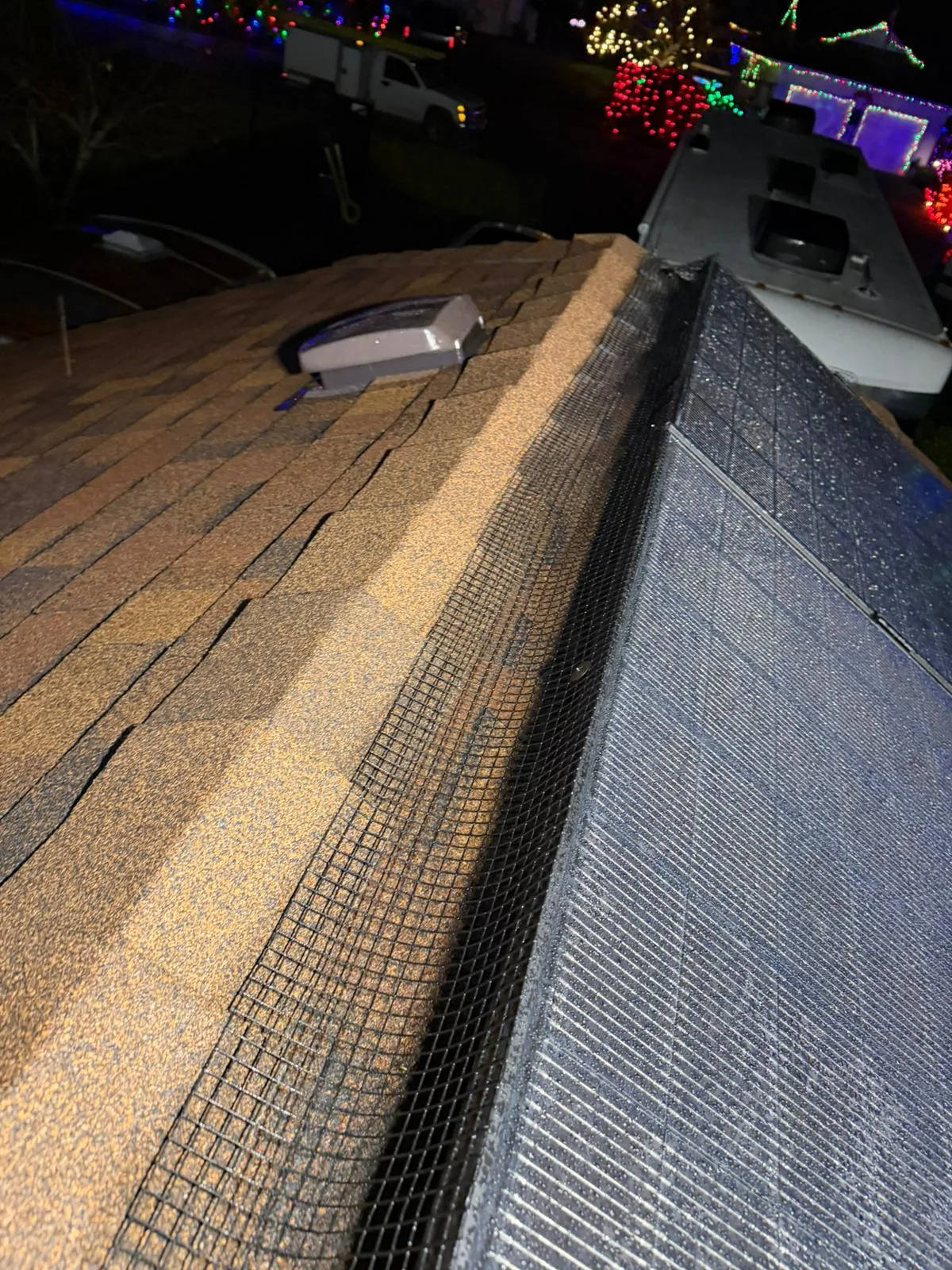
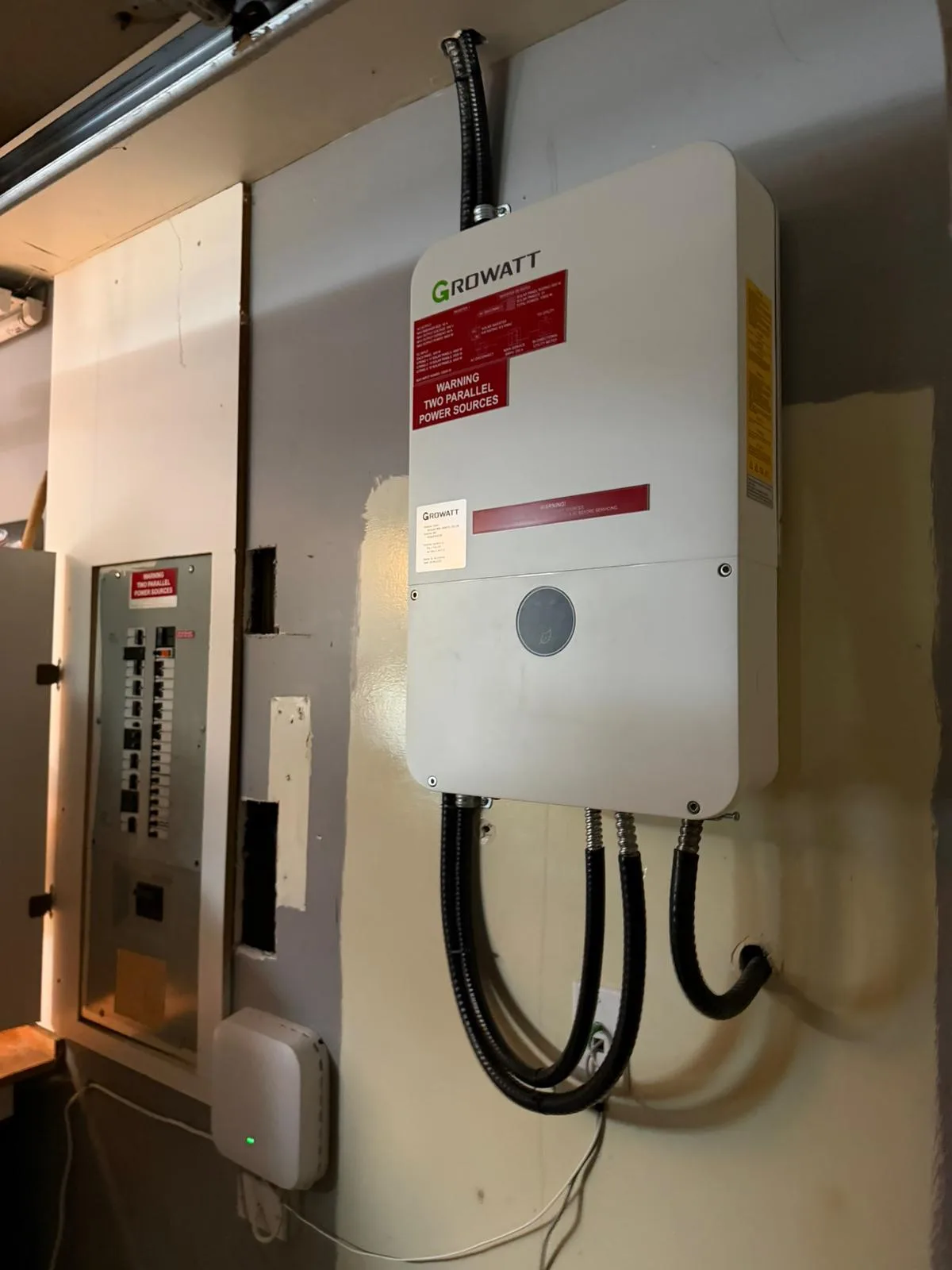
Victoria — 14 kW rooftop
South-facing asphalt shingle · completed January 2026 · 29 progress photos on file
Squamish energy & net metering
What BC Hydro charges here, and how surplus solar is credited in British Columbia.
BC Hydro’s current residential rates are 11.87¢/kWh (Step 1) and 14.08¢/kWh (Step 2), with rate increases of 3.75% in both 2025 and 2026. Solar locks in your energy costs as grid rates continue rising.
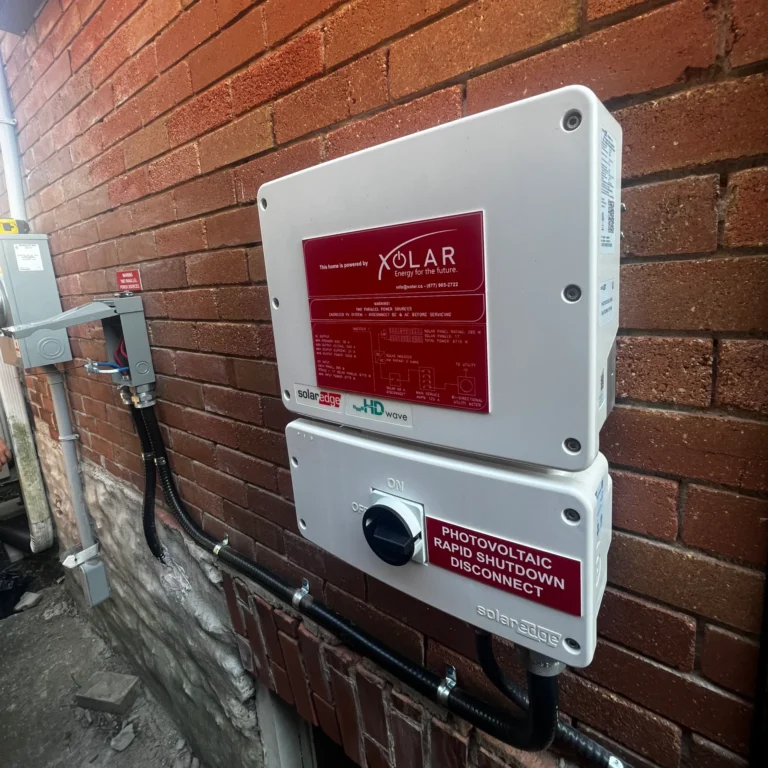
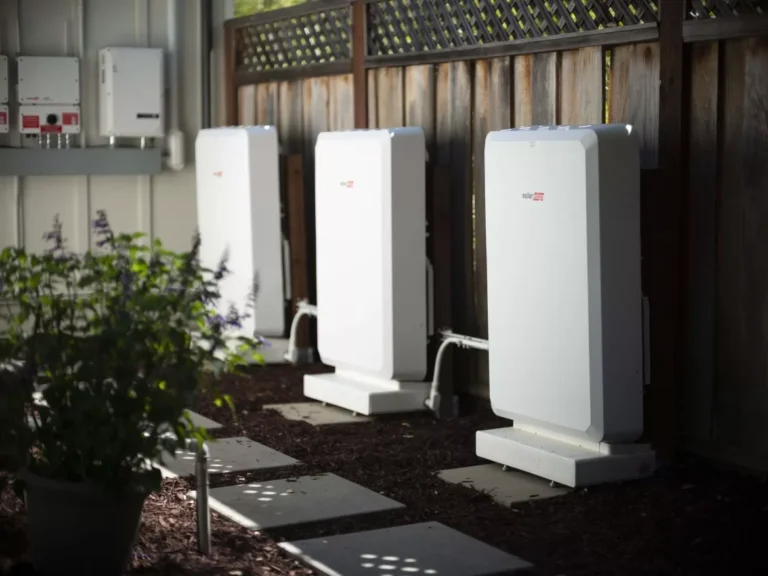
How your system works behind the meter
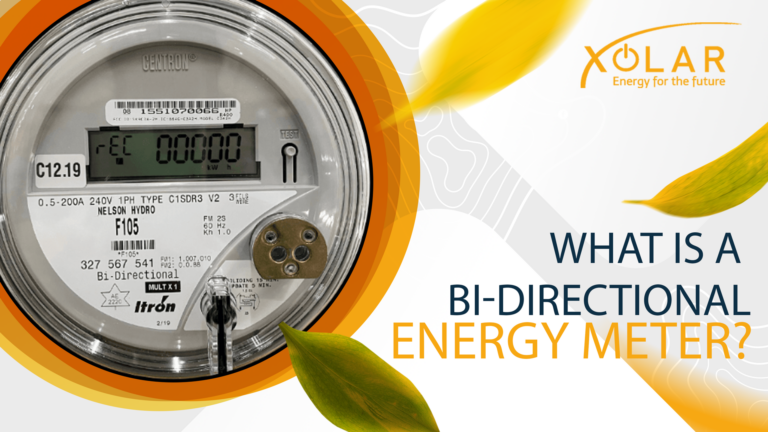
Most of a Squamish system's value comes from power used behind the meter — electricity your panels make and your home uses on the spot, offsetting energy you'd otherwise buy at 11.87¢/kWh. Only the surplus flows past the meter to BC Hydro for net-metering credit.
Rebates & incentives in Squamish
Every active local, provincial, federal and Xolar program a Squamish homeowner can stack.
- 7% PST exemptionPST Exemption
- Up to 30% of eligible costsClean Technology Investment Tax Credit (Commercial ITC)
Solar Panels in Squamish, BC
Squamish in the Sea-to-Sky corridor has lower production (970 kWh/kW) due to mountain shadows, but solar is viable on south-facing roofs with clear exposure. BC Hydro rebates (up to $5,000 for solar plus battery rebate (up to $1,500 without Peak Saver, or up to $5,000 with Peak Saver)) and PST exemption apply. A site assessment is particularly important in Squamish.
Note: The federal Canada Greener Homes Grant and Loan programs are now closed.
What BC Hydro's Export Rate Change Means in Squamish
BC Hydro closed its 1:1 net metering rate, Rate Schedule 1289, to new customers on 1 July 2026, following a BC Utilities Commission decision. New self-generation customers take Rate Schedule 2289, under which BC Hydro buys excess generation at a fixed 10¢/kWh and pays each billing cycle rather than once a year. Existing net metering customers stay on RS 1289 until 10 years have passed from their initial net metering service start date, then transfer automatically — except customers who received BC Hydro’s solar rebate, who were moved to RS 2289 on 1 July 2026.
In a Valley This Steep, the Regional Figure Is Only a Starting Point
Most of these city pages can tell you that the modelled figure is a reasonable guide and the roof does the rest. Squamish is the exception, and it is worth saying so plainly.
The town sits in a steep-sided valley between the Tantalus Range and the Garibaldi massif. Terrain shading — a mountain, not a tree — behaves differently from the obstructions solar designers usually model. It removes whole blocks of the day rather than scattered hours, it varies enormously between one part of town and another, and it is worst in winter when the sun is low and the ridgelines cast furthest.
So the 970 kWh per kW figure on this page should be read as a valley average rather than a prediction for your address. A Garibaldi Highlands property with open southern exposure can beat it comfortably. A property tucked under a western ridge in Valleycliffe may not reach it. Two houses ten minutes apart can differ by more than the gap between Vancouver and Kamloops.
What that means practically is that a desk estimate is worth less here than usual. The questions to put to an installer are specific: has the horizon been surveyed from the actual roof rather than assumed flat, does the production model account for terrain rather than only for nearby objects, and how does the estimate differ between December and June?
None of this makes Squamish a poor place for solar. Clear south-facing roofs here do well, and the payback of 12 to 14 years reflects a valley average that includes compromised sites. It means the spread around that average is unusually wide, and finding out which side of it you are on is the first job rather than a detail.
What BC Hydro's Export Change Means for a Squamish System
BC Hydro closed its 1:1 net metering rate, Rate Schedule 1289, to new customers on 1 July 2026 following a BC Utilities Commission decision. New self-generation customers take Rate Schedule 2289, under which BC Hydro buys excess generation at a fixed 10 cents per kilowatt-hour, paid each billing cycle rather than once a year. You buy electricity back at 11.87 cents on Step 1 and 14.08 on Step 2.
Generation you use yourself is therefore worth more than generation you export, and the practical response everywhere in the province is to size against your own consumption rather than your roof.
In Squamish that advice lands differently, and slightly more comfortably. Where terrain shading already limits what a roof can carry, the constraint that now applies for economic reasons is often the one the mountain applied anyway. A site that can only support 7 kW is unlikely to be exporting large surpluses in the first place, so the export price matters less to it than to a large unobstructed roof on the Fraser Valley floor.
The exception is a well-exposed south-facing property with real capacity — the kind that does beat the valley average. For those, the same discipline applies as anywhere in BC: work out twelve months of actual consumption, size to that, and treat additional panels beyond it as earning 10 cents rather than displacing 14.
Existing net metering customers are unaffected for now. BC Hydro states they stay on RS 1289 until ten years from their service start date, with one exception noted below.
Explore More Solar Resources
Showing British Columbia — 10 installs · 534 nationwide
Completed Xolar installations — each dot represents a city where we've installed solar.
Areas We Serve in Squamish
Professional solar panel installation available in these Squamish neighborhoods and communities:
What Squamish homeowners say

Swipe for more reviews →
"Spencer was very helpful, informative and flexible!"

"Spencer presented a compelling pitch on why installing solar panels on our home makes sense....also the presentation materials and graphs were well done and easy to understand."

"Received prompt and informative solar and energy saving options along with quotes. 🙏"

"Thorough proposal and very helpful Sales Rep."

"The Representative was very helpful. Not pushy. Explained everything and sent me everything I need to proceed. Hopefully, I will be getting Solar in the near future."

"Dylan is a thoughtful and sincere Sales Representative. His information was concise and he was clear and honest about where his knowledge was limited."

Squamish solar questions
Does solar work in Squamish?
Mountain shadows reduce production to 970 kWh/kW on some properties.
South-facing roofs with clear exposure perform well.
A site assessment is important in Squamish.
How much do mountain shadows affect solar in Squamish?
Enough that the town-level figure should not be relied on for your address.
Squamish sits in a steep valley, and terrain shading removes blocks of the day rather than scattered hours — worst in winter, when the sun is low and ridgelines cast furthest.
A property in Garibaldi Highlands with open southern exposure can beat the 970 kWh per kW modelled here; one tucked under a western ridge may not reach it.
The practical test is whether an installer has surveyed the horizon from your actual roof and modelled terrain, not just nearby trees and buildings.
If a Squamish estimate was produced without that, it is worth asking what it assumed.
What changed with BC Hydro net metering in July 2026?
BC Hydro closed its 1:1 net metering rate, Rate Schedule 1289, to new customers on 1 July 2026 after a BC Utilities Commission decision.
New self-generation customers take Rate Schedule 2289, under which excess generation is bought at a fixed 10 cents per kilowatt-hour and paid each billing cycle rather than yearly.
You buy power back at 11.87 cents on Step 1 and 14.08 on Step 2, so what you use yourself is worth more than what you export.
For a Squamish roof already limited by terrain, that mostly reinforces a constraint the site imposed anyway.
I already have net metering. Do I keep the 1:1 rate?
For up to ten years.
BC Hydro states that customers already on Rate Schedule 1289 remain on it until ten years have passed from their initial net metering service start date, after which they transfer automatically to Rate Schedule 2289.
The exception is customers who received BC Hydro’s solar rebate, who BC Hydro says were transitioned to RS 2289 as of 1 July 2026.
The date that matters is when your own service began, not when the rule changed — so if you are weighing adding panels or storage, confirm with BC Hydro which rate you are on first.
Are there solar rebates in British Columbia?
Not on the scale Ontario offers.
Ontario’s Home Renovation Savings Program pays up to $10,000 for solar panels and battery storage together, and British Columbia has no residential equivalent of that size, so a Squamish system starts closer to full price — part of why payback here runs 12 to 14 years.
One thing worth knowing about BC Hydro’s own solar rebate: customers who received it were moved to the new self-generation export rate on 1 July 2026 rather than keeping 1:1 net metering, so it carried a consequence beyond its cash value.
Availability changes over time, so ask what is current when you get a quote.
Is solar worth it on a shaded Squamish property?
It depends entirely on which part of the day the shading takes, and that is a question about your site rather than the town.
Terrain shading is worst in winter and can remove whole blocks of the day, so two properties minutes apart can reach very different answers.
The sequence that works is to have the horizon surveyed from the roof itself, get a production estimate that models terrain rather than assuming a flat horizon, and then decide — rather than accepting or dismissing solar on the basis of the 970 kWh per kW valley average.
Clear south-facing roofs in Squamish do genuinely well; heavily overshadowed ones may not justify the cost.
Get your free Squamish solar quote
A personalized proposal in 24 hours — system size, real pricing, and every rebate you qualify for. No pressure, no obligation.
Takes about a minute — no pressure, no obligation.
Solar system packages
All include install, permits & 25-yr warrantyMost popular choice for average Canadian homes
Solar installation across British Columbia
We serve homeowners province-wide. View all British Columbia service areas →