Solar panels in Langley, British Columbia
Ties Vancouver for sun, and beats most of the Lower Mainland.
Langley is modelled at 1,010 kWh per kW a year — level with Vancouver, and behind only Chilliwack and Abbotsford among the Lower Mainland cities on this site. Payback runs 10 to 13 years on an 8 kW system saving about $1,870. Warm, dry summers at the eastern end of the valley are why it sits ahead of the coastal municipalities.

Updated
Get Your Free Solar Quote
Custom solar solutions for Langley, BC
Prefer to discuss your project first? Contact us or view our detailed quote form
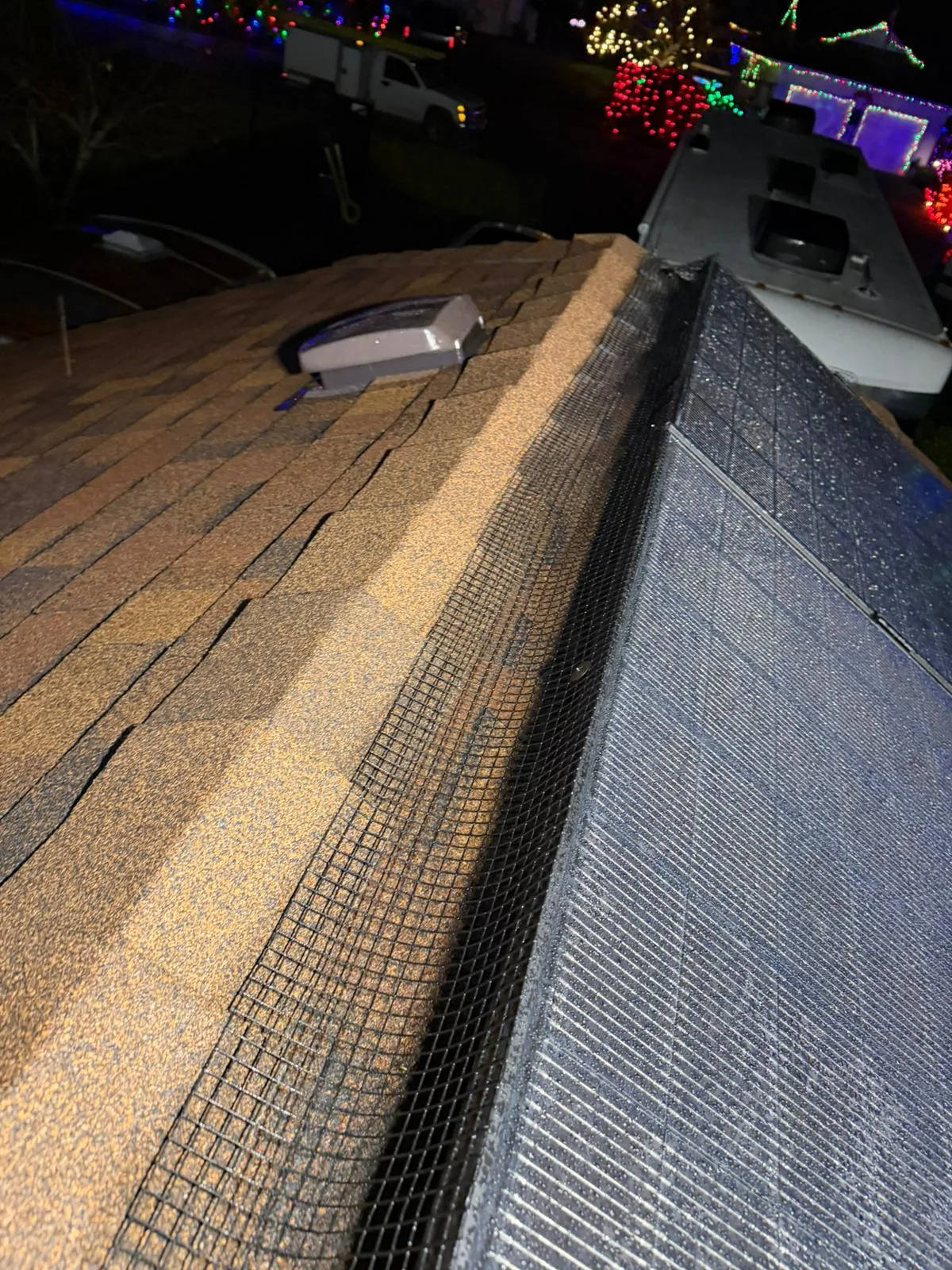
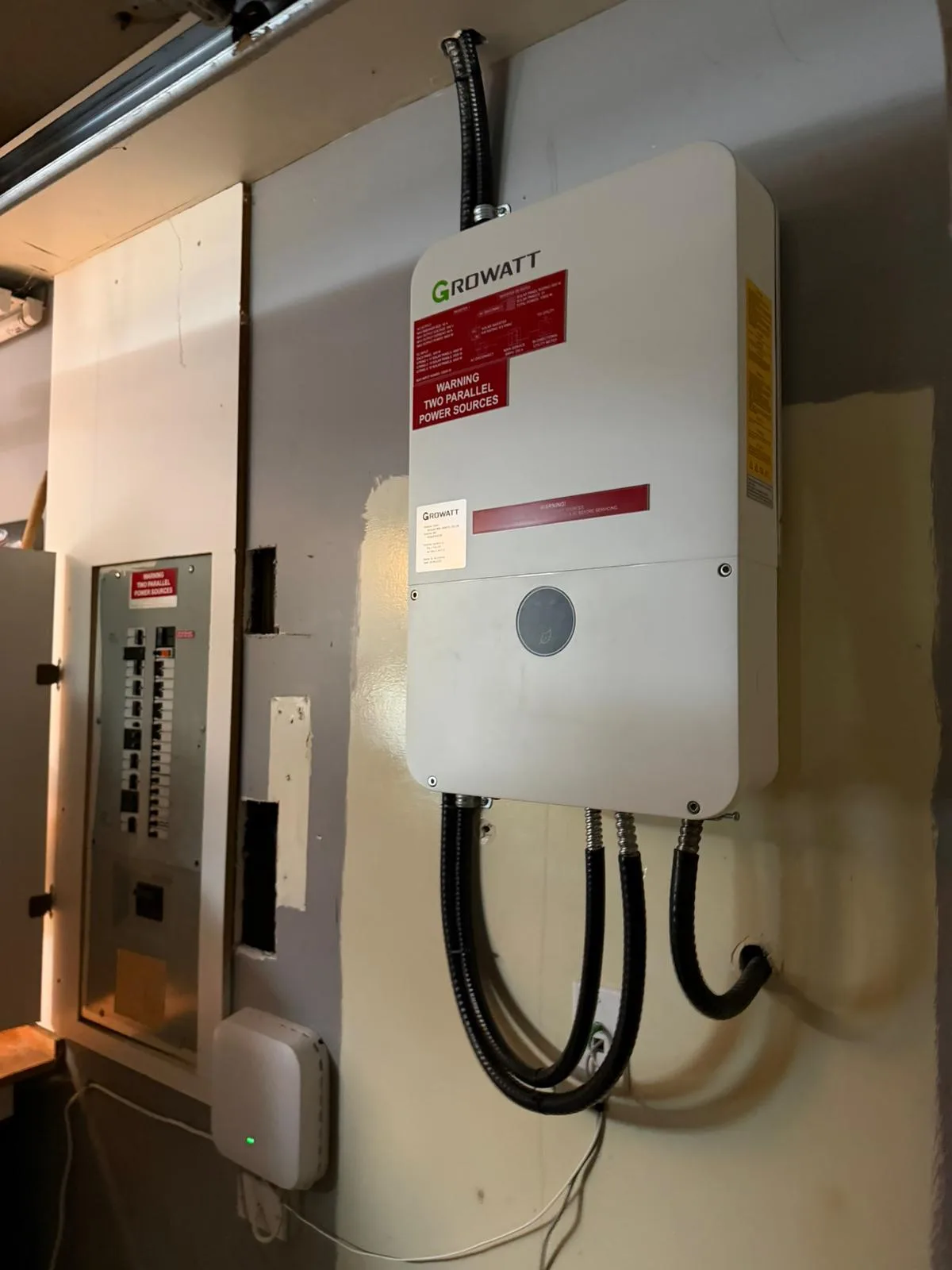
Victoria — 14 kW rooftop
Completed January 2026
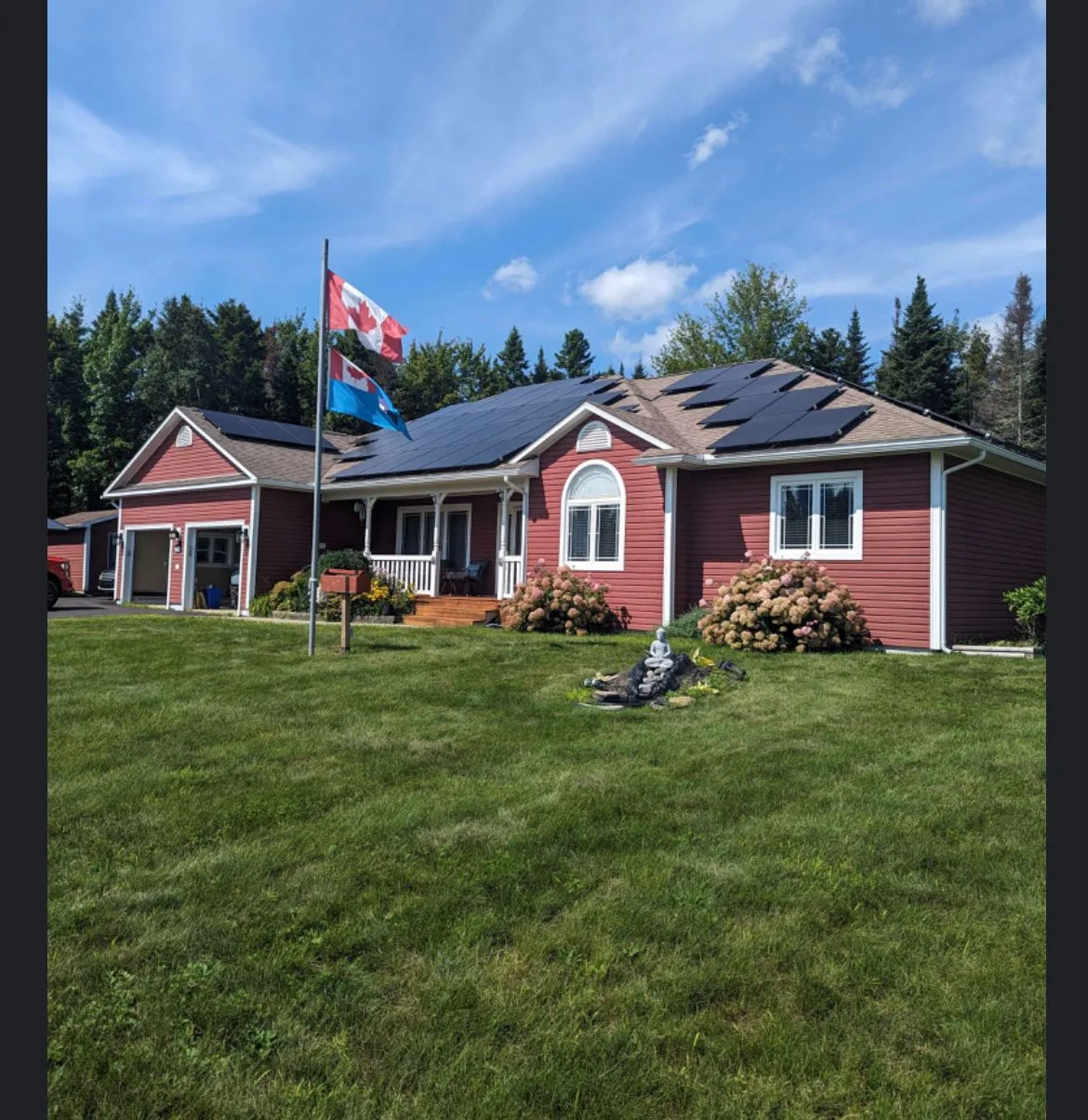
Real Xolar installs near Langley
We haven't published a Langley install yet. These are completed systems in nearby British Columbia communities, under the same provincial rebate and net-metering rules.
Swipe for more installs →
Langley energy & net metering
What BC Hydro charges here, and how surplus solar is credited in British Columbia.
BC Hydro’s current residential rates are 11.87¢/kWh (Step 1) and 14.08¢/kWh (Step 2), with rate increases of 3.75% in both 2025 and 2026. Solar locks in your energy costs as grid rates continue rising.
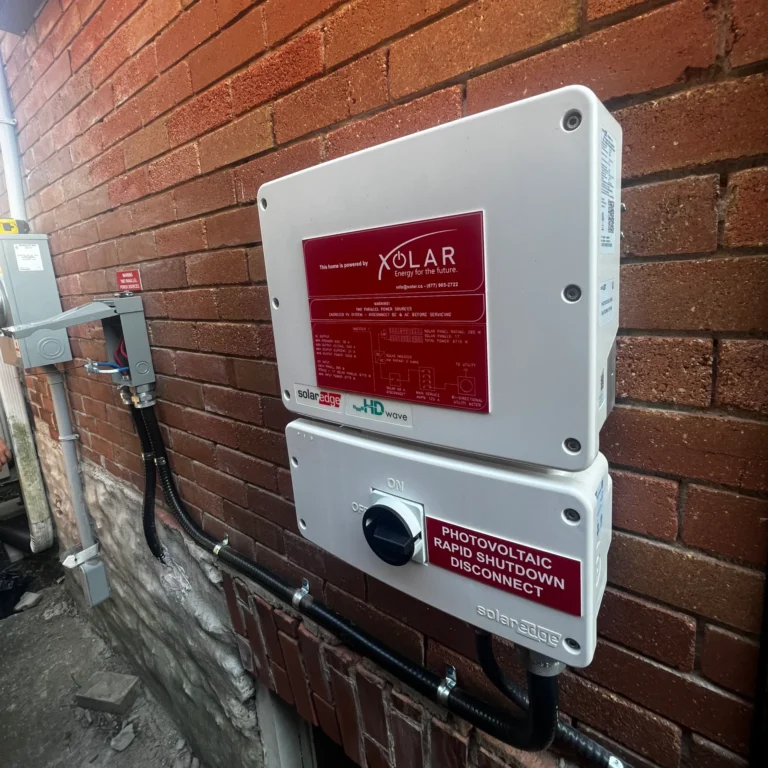
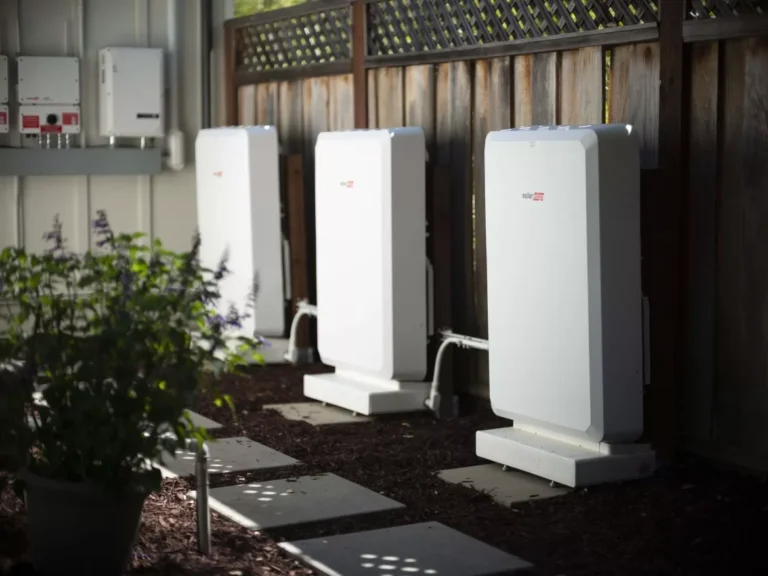
How your system works behind the meter
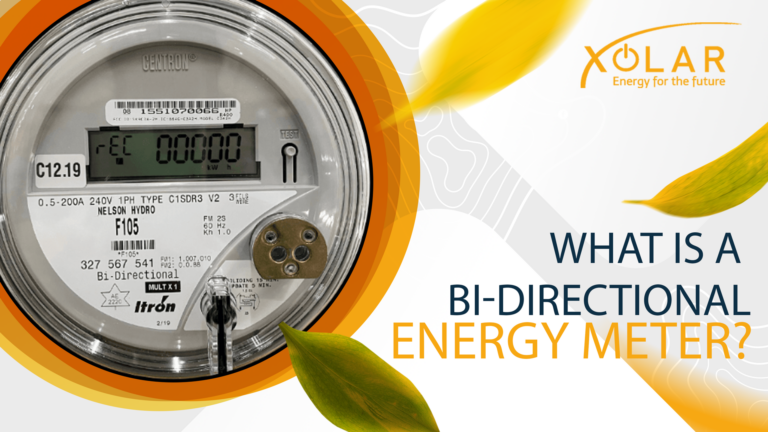
Most of a Langley system's value comes from power used behind the meter — electricity your panels make and your home uses on the spot, offsetting energy you'd otherwise buy at 11.87¢/kWh. Only the surplus flows past the meter to BC Hydro for net-metering credit.
Rebates & incentives in Langley
Every active local, provincial, federal and Xolar program a Langley homeowner can stack.
- Up to $5,000BC Hydro Solar Rebate
- Up to $1,500 with solar ($5,000 only for Peak Saver-eligible batteries)BC Hydro Battery Rebate
- 7% PST exemptionPST Exemption
- Up to $1625Fall 2026 Sale – Battery
- Up to $2550Fall 2026 Sale – Solar
- Up to $475Fall 2026 Sale – Heat Pump
Solar Panels in Langley, BC
Langley’s mix of urban and agricultural properties creates diverse solar opportunities. Production of 1,010 kWh/kW. Larger rural lots often have excellent unshaded roof exposure. BC Hydro rebates (up to $5,000 for solar plus battery rebate (up to $1,500 without Peak Saver, or up to $5,000 with Peak Saver)) and PST exemption apply.
Note: The federal Canada Greener Homes Grant and Loan programs are now closed.
What BC Hydro's Export Rate Change Means in Langley
Until 1 July 2026 a Langley homeowner faced a genuine decision: take BC Hydro’s solar rebate, or stay on 1:1 net metering and bank every exported kilowatt-hour at full retail value. That decision no longer exists. Following a BC Utilities Commission ruling, BC Hydro closed the net metering rate (Rate Schedule 1289) to new customers on 1 July 2026.
New systems go on Rate Schedule 2289 instead. BC Hydro buys your excess generation at a fixed 10 cents per kWh, and — a real improvement on the old arrangement — pays you every billing cycle rather than banking credits until a yearly reconciliation. Because retail electricity in Langley costs more than 10 cents, a kilowatt-hour you use yourself is now worth more than one you export. That makes the shape of your daily consumption matter in a way it did not before: running the dishwasher at noon rather than at midnight is now worth something.
Take the rebate. Declining it no longer preserves 1:1 net metering, because that rate is closed to new customers regardless. BC Hydro’s own position is that the solar rebate is expected to fully offset the impact of the rate change for an average residential customer. One distinction worth knowing: if you accept only the battery rebate and no solar rebate, your service rate is unaffected. BC Hydro also does not permit a pro-rated or combined arrangement across the two rates — it is one or the other.
Langley Is Sunnier Than the Coast, and Level With Vancouver
Langley is modelled at 1,010 kWh per kW a year. Among the Lower Mainland cities on this site only Chilliwack, at 1,050, and Abbotsford, at 1,030, are higher — and Langley is exactly level with Vancouver, ahead of Surrey at 1,000, Richmond at 990, Burnaby and Coquitlam at 980, and North Vancouver at 960.
The pattern is consistent and worth understanding, because it is the same effect all the way up the valley. The marine cloud that sits over the coast thins as you move east; the further inland you go, the more of the available daylight arrives as direct sun. Langley’s warm, dry summers are the local expression of that, and Chilliwack’s slightly better figure is the same trend continued another thirty kilometres.
What that is worth in practice is modest — about five per cent against North Vancouver, and nothing at all against Vancouver. It is not a reason to choose Langley, and it is certainly not a reason to think a Langley roof needs less scrutiny than a coastal one.
Where it does help is at the margin. A roof plane that is borderline at 960 becomes more defensible at 1,010, so households whose only usable aspect is imperfect have a little more room here than on the North Shore.
Payback of 10 to 13 years reflects that: better than the coastal municipalities, behind the interior. Kamloops, at 1,250, is in a different category altogether, and if you are comparing figures with relatives in the interior, that gap is real rather than a modelling artefact.
A Bigger Property Is Not Automatically a Bigger System Any More
Langley includes a good deal of larger-lot housing — Fort Langley, Brookswood, Aldergrove and the rural edges have properties with roof area, outbuildings and room that a Burnaby townhouse does not have. Until this year the advice for such a property was simple: use it.
That advice has changed, and the reason is tariff rather than technology. BC Hydro closed its 1:1 net metering rate, Rate Schedule 1289, to new customers on 1 July 2026 following a BC Utilities Commission decision. New self-generation customers take Rate Schedule 2289, under which exports are bought at a fixed 10 cents per kilowatt-hour, paid each billing cycle. You buy electricity back at 11.87 cents on Step 1 and 14.08 on Step 2.
Under the old rate, a larger array on a larger roof simply banked more credit at full value, so spare capacity cost you only the price of the panels. Under the new one, generation beyond your own consumption is sold at a discount to what you pay. The roof still has the room; the tariff no longer rewards filling it.
This is not an argument for a small system. Larger properties often have genuinely larger consumption — well pumps, shops, outbuildings, more heating — and where the consumption is real the system should match it. It is an argument against sizing from square metres.
The practical sequence is unchanged from the rest of the province, but it bites harder here: total twelve months of actual kilowatt-hours, size to that, and treat any capacity beyond it as an export-priced investment rather than a retail-priced one. Where the roof genuinely outruns the household, storage or shifting load into daylight is the better use of the surplus.
Explore More Solar Resources
Showing British Columbia — 11 installs · 549 nationwide
Completed Xolar installations — each dot represents a city where we've installed solar.
Areas We Serve in Langley
Professional solar panel installation available in these Langley neighborhoods and communities:
What Langley homeowners say
Swipe for more reviews →
"Our first phone call with Abe answered a lot of our questions and we’re seriously considering moving forward with solar panels. This is something we’ve wanted to do for a long time but it was not financially available to us until now. We’re excited to research more and lessen our footprint on the environment. TY Xolar"

"I am just at the beginning of my solar journey, getting information and quotes and thus far, this company stands out."

"The sales rep was very nice. He answered all our questions and explained everything very thoroughly!"

Langley solar questions
Is Langley good for solar?
Yes. 1,010 kWh/kW production.
Langley’s larger lots often have ideal unshaded roof exposure.
BC Hydro rebates up to $5,000 for solar, plus battery rebate (up to $1,500 without Peak Saver, or up to $5,000 with Peak Saver) available.
Does Langley get more sun than Vancouver?
It ties.
Both are modelled at 1,010 kWh per kW a year on this site.
Langley does beat most of the Lower Mainland — Surrey at 1,000, Richmond at 990, Burnaby and Coquitlam at 980, North Vancouver at 960 — and sits behind only Chilliwack at 1,050 and Abbotsford at 1,030, because the marine cloud thins as you move east up the valley.
But against Vancouver specifically there is no advantage, and the spread across the whole Lower Mainland is under 10 per cent.
Roof orientation and shading will decide your production far more than which municipality you are in.
I have a large property. Should I build the biggest system that fits?
Not on roof area alone, and that advice changed this year.
Since BC Hydro moved new customers onto Rate Schedule 2289 on 1 July 2026, exports are bought at a fixed 10 cents per kilowatt-hour while you buy power back at 11.87 or 14.08 cents.
Under the old 1:1 rate, spare capacity banked at full retail value and filling the roof was close to free upside.
Now, generation beyond your own consumption sells at a discount to what you pay.
If your consumption is genuinely large — outbuildings, well pumps, shops, electric heating — size to that and build accordingly.
If it is not, the extra panels are an export-priced investment, and storage or load shifting is usually a better use of the surplus.
What changed with BC Hydro net metering in July 2026?
BC Hydro closed its 1:1 net metering rate, Rate Schedule 1289, to new customers on 1 July 2026 after a BC Utilities Commission decision.
New self-generation customers take Rate Schedule 2289, under which excess generation is bought at a fixed 10 cents per kilowatt-hour and paid each billing cycle rather than yearly.
Since Langley buys power back at 11.87 cents on Step 1 and 14.08 on Step 2, generation you use yourself is worth more than generation you export — so systems should be sized against twelve months of your own consumption rather than against roof area.
I already have net metering. Do I keep the 1:1 rate?
For up to ten years.
BC Hydro states that customers already on Rate Schedule 1289 remain on it until ten years have passed from their initial net metering service start date, then transfer automatically to Rate Schedule 2289.
The exception is customers who received BC Hydro’s solar rebate, who BC Hydro says were transitioned to RS 2289 as of 1 July 2026.
Your own service start date is what matters, not the date the rule changed — so if you are considering expanding an existing system, confirm with BC Hydro which rate you are on first.
Are there solar rebates in British Columbia?
Yes.
BC Hydro pays $1,000 per kW for solar, up to $5,000 (capped at 50% of installed cost), the same solar maximum as Ontario’s Home Renovation Savings Program.
For a battery, BC Hydro adds up to $1,500 when it is installed with solar, or up to $5,000 if the battery is enrolled in Peak Saver; Ontario pays up to $5,000 for a battery installed with new solar.
Tesla products are not eligible for BC Hydro’s rebates.
Because the solar rebate matches Ontario’s, it is not the reason payback here runs 10 to 13 years despite reasonable production at 1,010 kWh per kW.
The bigger factor is that power you export now earns a fixed 10 cents per kWh from BC Hydro, less than the 11.87 to 14.08 cents you pay for power, so payback depends on how much of your own production you use.
Worth knowing that BC Hydro’s own solar rebate carried a consequence: customers who received it were moved to the new self-generation export rate on 1 July 2026 rather than keeping 1:1 net metering.
Availability changes, so ask what is current at quoting stage.
Get your free Langley solar quote
A personalized proposal in 24 hours — system size, real pricing, and every rebate you qualify for. No pressure, no obligation.

Takes about a minute — no pressure, no obligation.
Solar system packages
All include install, permits & 25-yr warrantyMost popular choice for average Canadian homes
Solar installation across British Columbia
We serve homeowners province-wide. View all British Columbia service areas → Outside British Columbia? Find a solar installer near you →