Solar panels in Courtenay, British Columbia
Comox Valley solar — dry summers, a big July surplus, and what to do with it.
Courtenay produces 1,000 kWh per kW a year across the Comox Valley, and its warm, dry summers push a large share of that into a few months. Since BC Hydro began paying a fixed 10 cents per kWh for exported energy in July 2026, what you do with that summer surplus is the question that most changes a Courtenay quote.
 4.6 · 780+ reviews

Get Your Free Solar Quote
Custom solar solutions for Courtenay, BC
Prefer to discuss your project first?Contact usor view ourdetailed quote form
Real Xolar installs near Courtenay
We haven't published a Courtenay install yet. These are completed systems in nearby British Columbia communities, under the same provincial rebate and net-metering rules.
Swipe for more installs →
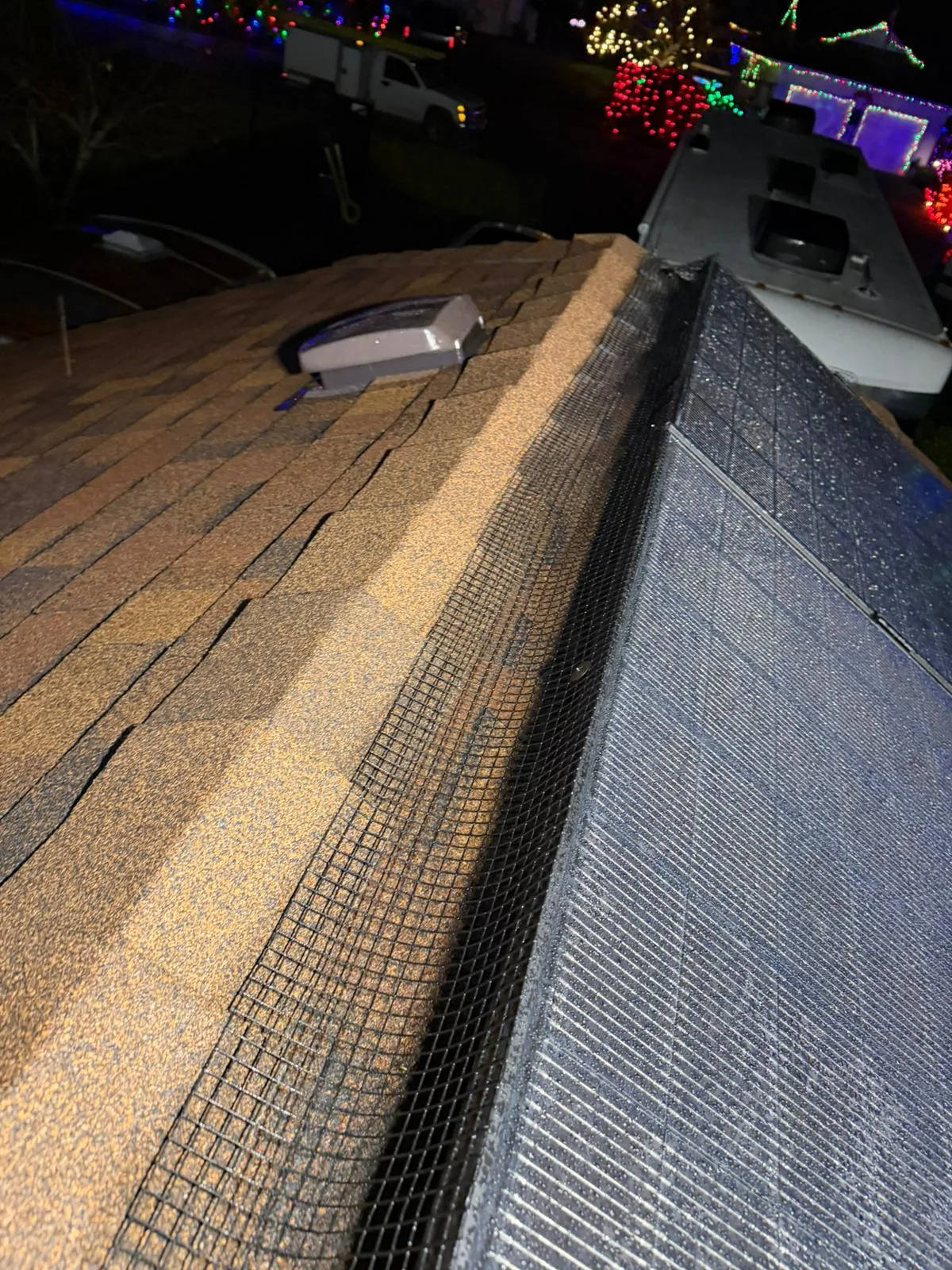
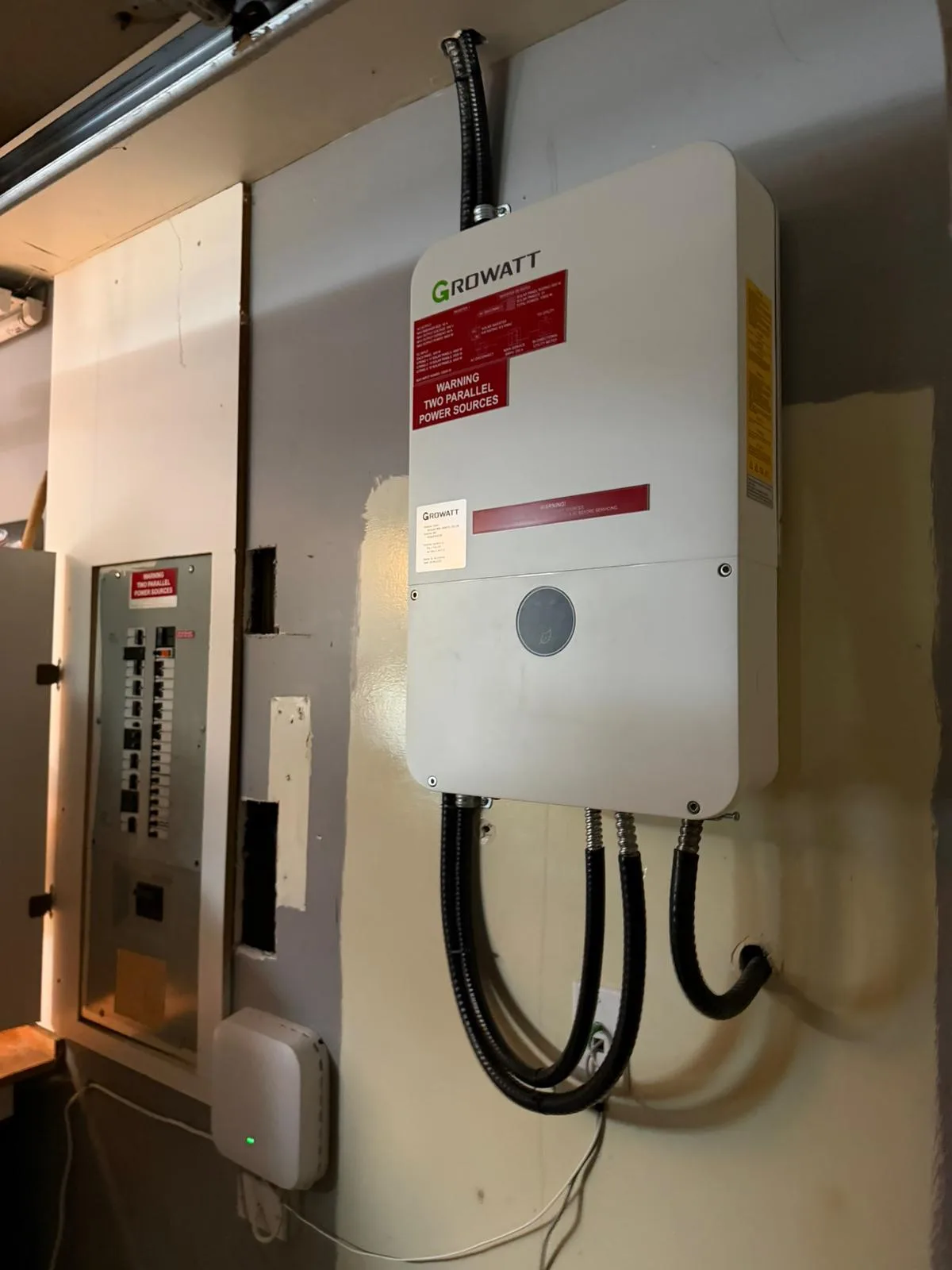
Victoria — 14 kW rooftop
South-facing asphalt shingle · completed January 2026 · 29 progress photos on file
Courtenay energy & net metering
What BC Hydro charges here, and how surplus solar is credited in British Columbia.
BC Hydro’s current residential rates are 11.87¢/kWh (Step 1) and 14.08¢/kWh (Step 2), with rate increases of 3.75% in both 2025 and 2026. Solar locks in your energy costs as grid rates continue rising.
How your system works behind the meter
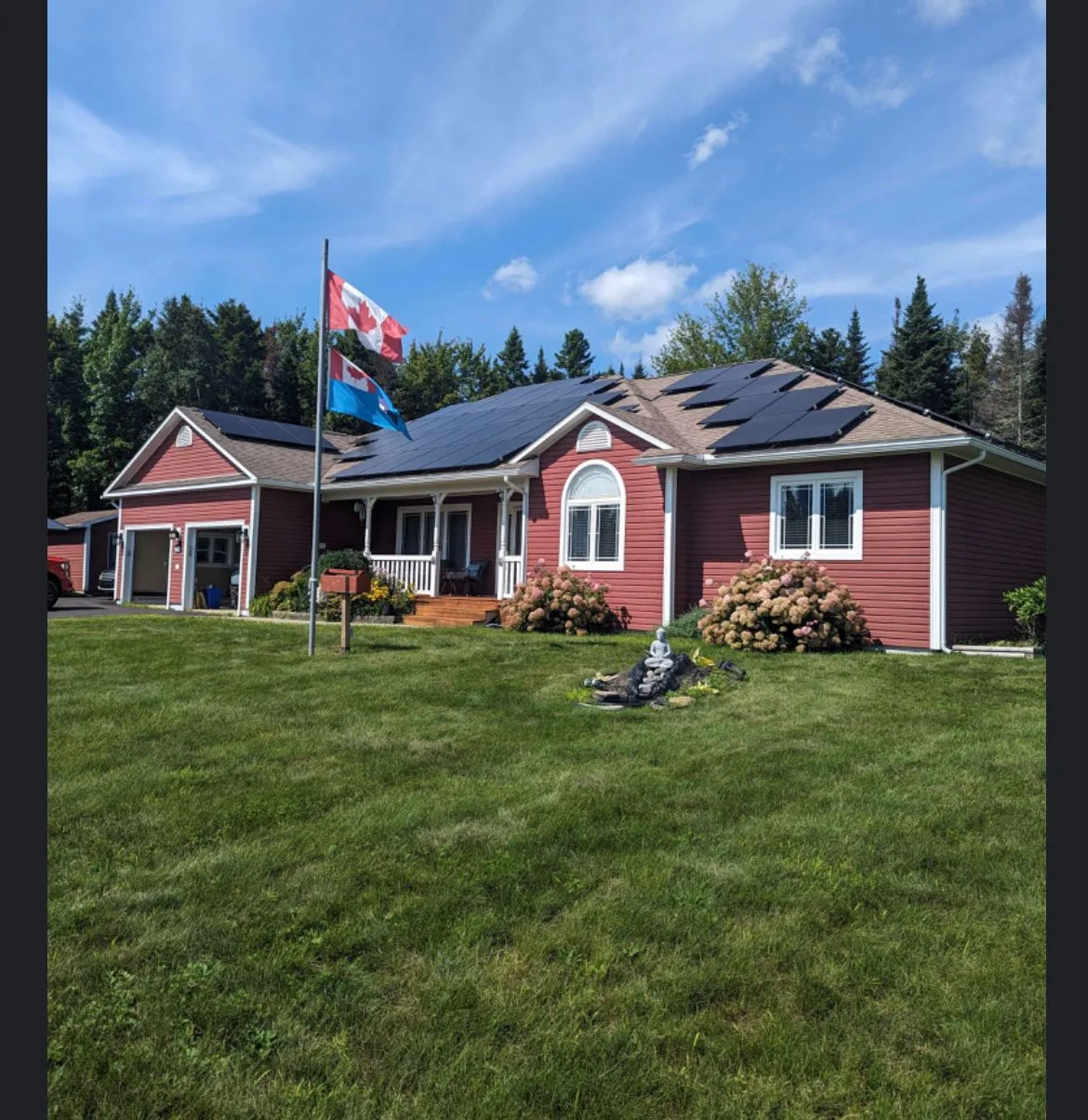
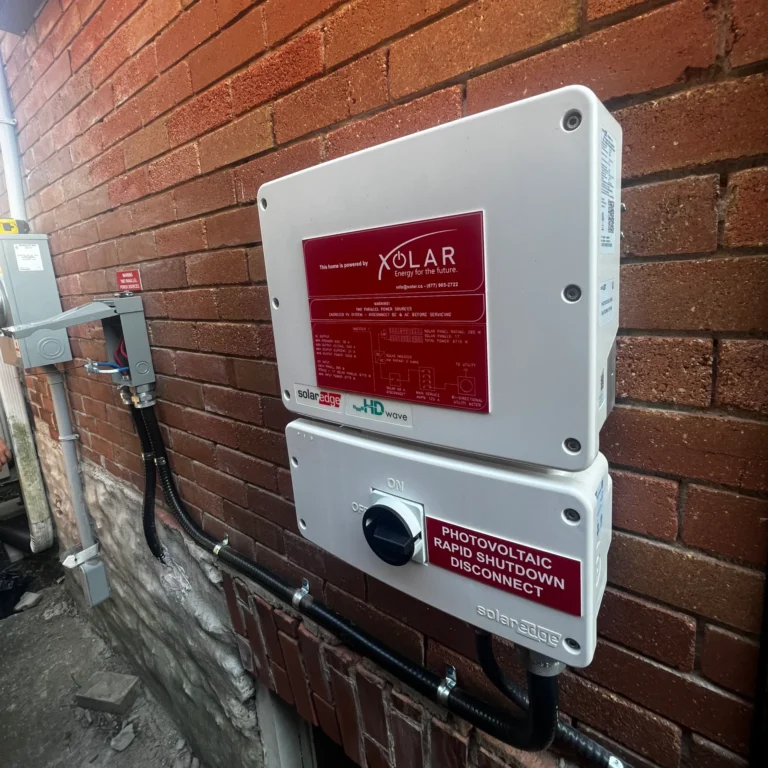
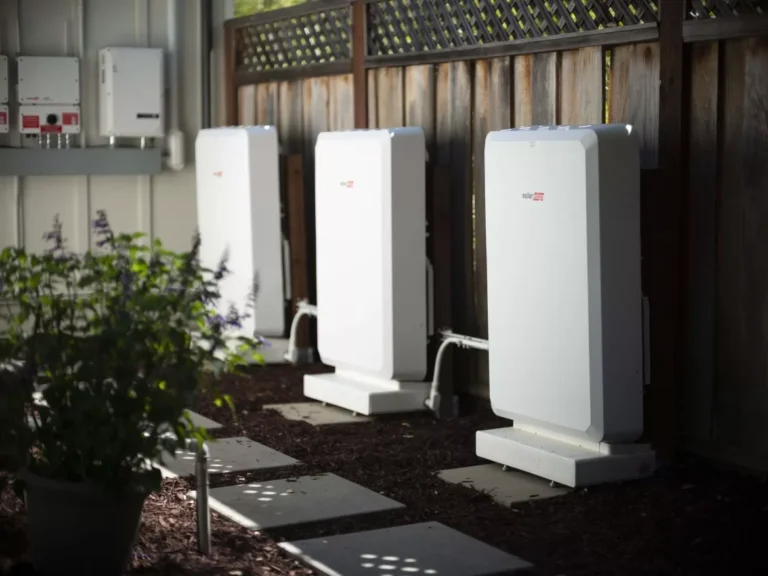
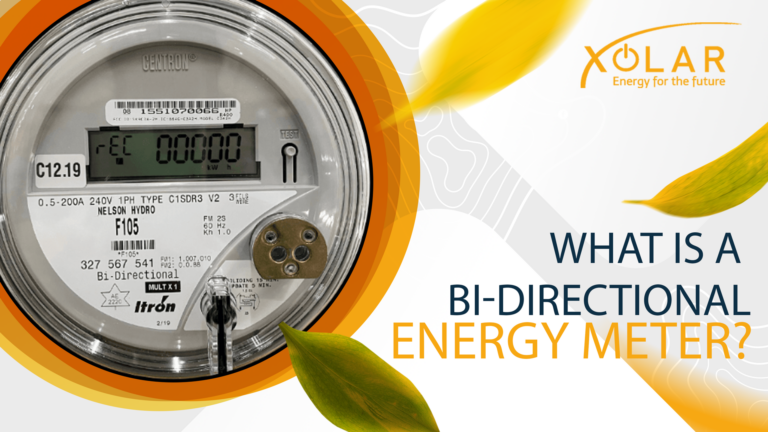
Most of a Courtenay system's value comes from power used behind the meter — electricity your panels make and your home uses on the spot, offsetting energy you'd otherwise buy at 11.87¢/kWh. Only the surplus flows past the meter to BC Hydro for net-metering credit.
Rebates & incentives in Courtenay
Every active local, provincial, federal and Xolar program a Courtenay homeowner can stack.
- Up to $5,000BC Hydro Solar Rebate
- Up to $1,500 ($5,000 with Peak Saver)BC Hydro Battery Rebate
- 7% PST exemptionPST Exemption
- Up to 30% of eligible costsClean Technology Investment Tax Credit (Commercial ITC)
Solar Panels in Courtenay, BC
Courtenay in the Comox Valley produces 1,000 kWh/kW. BC Hydro rebates (up to $5,000 for solar plus battery rebate (up to $1,500 without Peak Saver, or up to $5,000 with Peak Saver)) and PST exemption apply.
Note: The federal Canada Greener Homes Grant and Loan programs are now closed.
What BC Hydro's Export Rate Change Means in Courtenay
Until 1 July 2026 a Courtenay homeowner faced a genuine decision: take BC Hydro’s solar rebate, or stay on 1:1 net metering and bank every exported kilowatt-hour at full retail value. That decision no longer exists. Following a BC Utilities Commission ruling, BC Hydro closed the net metering rate (Rate Schedule 1289) to new customers on 1 July 2026.
New systems go on Rate Schedule 2289 instead. BC Hydro buys your excess generation at a fixed 10 cents per kWh, and — a real improvement on the old arrangement — pays you every billing cycle rather than banking credits until a yearly reconciliation. Because retail electricity in Courtenay costs more than 10 cents, a kilowatt-hour you use yourself is now worth more than one you export. That makes the shape of your daily consumption matter in a way it did not before: running the dishwasher at noon rather than at midnight is now worth something.
Take the rebate. Declining it no longer preserves 1:1 net metering, because that rate is closed to new customers regardless. BC Hydro’s own position is that the solar rebate is expected to fully offset the impact of the rate change for an average residential customer. One distinction worth knowing: if you accept only the battery rebate and no solar rebate, your service rate is unaffected. BC Hydro also does not permit a pro-rated or combined arrangement across the two rates — it is one or the other.
The Comox Valley's Dry Summer Is Exactly When Exporting Pays Least
Courtenay’s climate is the reason people move here and the reason solar behaves the way it does: mild and oceanic, with warm, dry summers that deliver a run of clear high-output days. At 1,000 kWh per kW a year that is a perfectly good solar resource. The complication is timing. A dry, bright summer means a system produces well beyond what a household uses in exactly the months it needs least — and since 1 July 2026, BC Hydro buys that surplus at a fixed 10 cents per kWh rather than crediting it 1:1. Courtenay homes then buy power back through the wet, dark winter at 11.87 or 14.08 cents. That is the whole shape of the problem, and it is more pronounced here than in cities with cloudier summers. Three things follow. Size against your own consumption rather than the roof. Move what load you reasonably can into daylight hours, since a kilowatt-hour used at noon is worth more than one sold at noon. And consider storage on its merits rather than as an afterthought — in a place with a genuine summer surplus, the case for keeping your own electricity is stronger than it was under the old rate. BC Hydro’s battery rebate is up to $1,500 alongside solar, or up to $5,000 with Peak Saver enrolment.
Size a Courtenay System to Twelve Months of Bills, Not to the Roof
Until the middle of 2026 the advice for a Comox Valley roof was simple: fill it. Under 1:1 net metering every surplus kilowatt-hour banked at full retail value, so a larger array was straightforwardly better and the only real limits were budget and roof area.
That changed on 1 July 2026, when BC Hydro closed Rate Schedule 1289 to new customers following a BC Utilities Commission decision. New self-generation customers take Rate Schedule 2289, under which exported energy is bought at a fixed 10 cents per kilowatt-hour. Courtenay buys electricity back at 11.87 cents on Step 1 and 14.08 on Step 2. Every exported kilowatt-hour is now worth less than the one you would otherwise have bought.
So the sizing question inverts. The right starting point is twelve months of your own bills, totalled in kilowatt-hours, because production you consume yourself is worth 11.87 to 14.08 cents while production you export is worth 10. A system built to cover your annual consumption captures nearly all of the available value; one built to fill the roof captures the same value on the first portion and 10 cents on the rest.
At 1,000 kWh per kW a year with a payback of 11 to 13 years, Courtenay still supports a solid system. But the Comox Valley’s warm, dry summers push a large share of production into a few months, which is exactly when a household is least likely to consume it — so the gap between a sized system and a maximal one is wider here than in a place with flatter output.
Explore More Solar Resources
Showing British Columbia — 10 installs · 534 nationwide
Completed Xolar installations — each dot represents a city where we've installed solar.
Areas We Serve in Courtenay
Professional solar panel installation available in these Courtenay neighborhoods and communities:
What Courtenay homeowners say


Swipe for more reviews →
"Robin was so friendly. She took the time to design a system that would work for us and gave us four different options that we could choose from. Very knowledgeable about the systems and the different parts of it."

"Friendly, courteous and helpful"

"Spoke with Dave on phone and he was very helpful."

"Very Interesting"

"Very courteous and well informed on their product. Not pushy on closing the sale.Thanks for the information"

"I've been around the solar community for a while now. XOLAR went through a rough patch a few years ago, but I can say that they have really turned things around. Solid team, good knowledge, great value."

Courtenay solar questions
Can I get solar in Courtenay?
Yes. 1,000 kWh/kW production.
BC Hydro rebates apply: up to $5,000 for solar, or $10,000 with a Peak Saver battery, plus the PST exemption.
Is battery storage worth it in Courtenay?
More than it was.
Since BC Hydro closed 1:1 net metering on 1 July 2026 and moved to a fixed 10 cents per kWh for exports, a kilowatt-hour you store and use yourself is worth more than one you sell — Courtenay buys power back at 11.87 to 14.08 cents.
The Comox Valley’s warm, dry summers produce a real surplus in exactly the months a household uses least, which is the situation storage suits.
BC Hydro’s battery rebate is up to $1,500 alongside solar, or up to $5,000 if you enrol in Peak Saver.
Whether it pays depends on how much you actually export, so it is worth modelling against a year of your bills.
What changed with BC Hydro net metering in July 2026?
BC Hydro closed its 1:1 net metering rate, Rate Schedule 1289, to new customers on 1 July 2026 after a BC Utilities Commission decision.
New self-generation customers go onto Rate Schedule 2289, where exported energy is bought at a fixed 10 cents per kilowatt-hour instead of being credited at the retail rate.
In Courtenay you buy electricity back at 11.87 cents on Step 1 and 14.08 on Step 2, so a kilowatt-hour you export is now worth less than one you use yourself.
The practical effect is on sizing: build to your own twelve-month consumption rather than to the roof.
How does BC Hydro's two-step rate affect what solar saves me?
It means the first part of your system is worth more than the last.
BC Hydro charges Step 1 at 11.87 cents per kilowatt-hour up to a threshold and Step 2 at 14.08 cents above it.
Because solar reduces the total you draw, it takes kilowatt-hours off the top — the Step 2 ones — so a household well into Step 2 displaces power at 14.08 cents.
Once generation has pulled you down into Step 1, further production displaces cheaper power, and anything beyond your own consumption is exported at 10 cents.
This is why two Courtenay homes with the same system can save different amounts, and why the step your household actually sits in is worth checking before you accept a savings estimate.
Are there solar rebates in British Columbia?
Not on the scale Ontario offers.
Ontario’s Home Renovation Savings Program pays up to $10,000 for solar panels and battery storage together, and British Columbia has no residential equivalent of that size, so a Courtenay system starts closer to full price.
That is a large part of why payback here runs 11 to 13 years even though production at 1,000 kWh per kW is reasonable.
Programme availability does change, so ask an installer what is current when you quote — but it is not sound to plan a project around the expectation of a large provincial rebate.
How long does solar take to pay for itself in Courtenay?
The figure quoted on this page is 11 to 13 years, on production of 1,000 kWh per kW a year.
That is longer than most of Ontario and shorter than Newfoundland or Manitoba, and the main reason it is not shorter is that British Columbia has no residential rebate on the scale of Ontario’s $10,000 Home Renovation Savings Program — so a Courtenay system starts closer to full price.
BC Hydro’s move to a fixed 10-cent export price in July 2026 also means surplus production earns less than it did, which is why sizing to your own consumption rather than to the roof matters more now than it used to.
Get your free Courtenay solar quote
A personalized proposal in 24 hours — system size, real pricing, and every rebate you qualify for. No pressure, no obligation.
Takes about a minute — no pressure, no obligation.
Solar system packages
All include install, permits & 25-yr warrantyMost popular choice for average Canadian homes
Solar installation across British Columbia
We serve homeowners province-wide. View all British Columbia service areas →