Solar panels in Chilliwack, British Columbia
The eastern Fraser Valley gets more sun than metro Vancouver — about four per cent more.
Chilliwack is modelled at 1,050 kWh per kW a year, about four per cent ahead of metro Vancouver and the best figure of any Lower Mainland city on this site. Payback runs 10 to 13 years on an 8 kW system saving around $1,900. Warm, dry summers at the eastern end of the Fraser Valley are what put it ahead — the marine cloud that sits over the coast thins as you move inland.


Updated
Get Your Free Solar Quote
Custom solar solutions for Chilliwack, BC
Prefer to discuss your project first? Contact us or view our detailed quote form
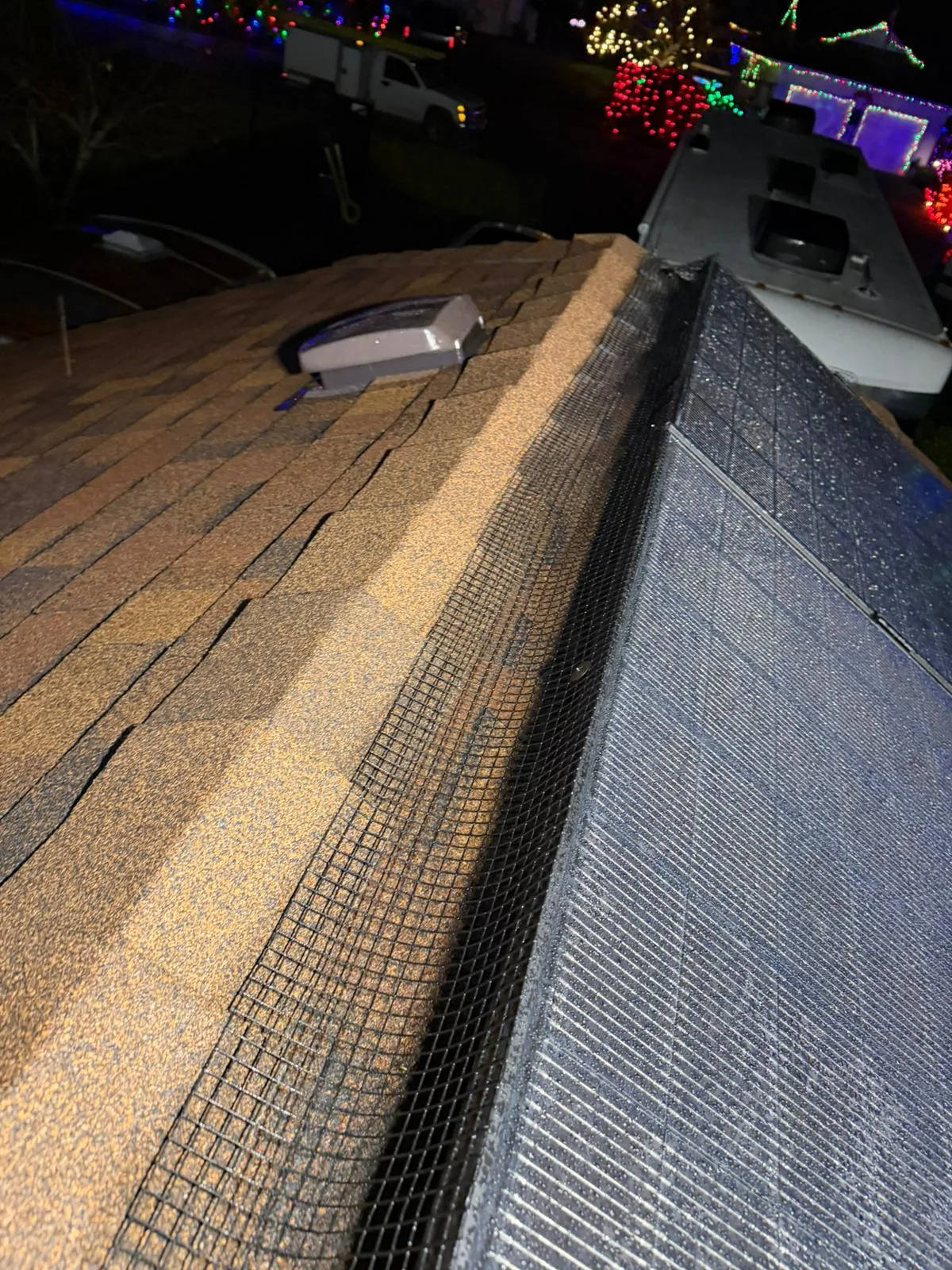
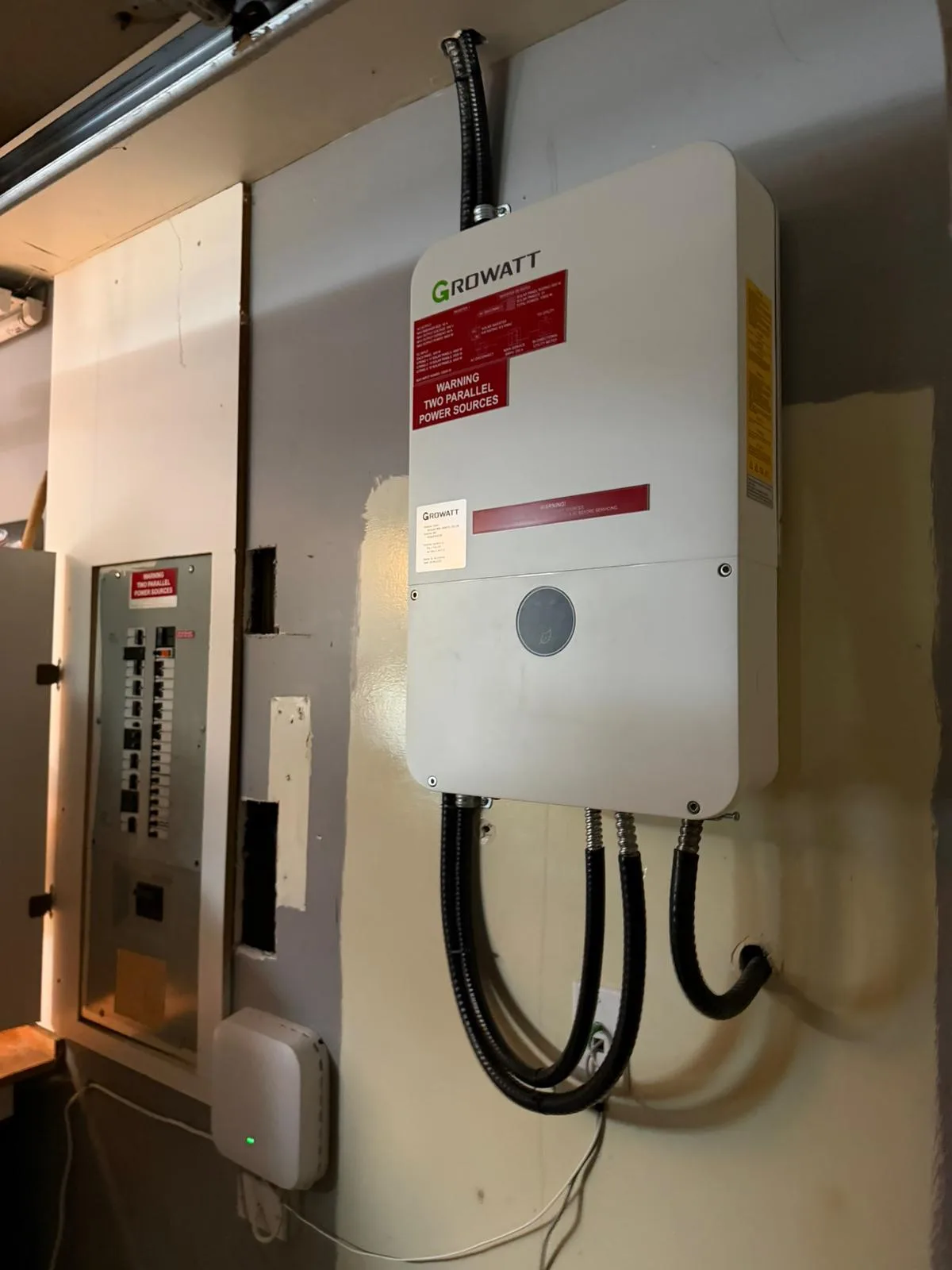
Victoria — 14 kW rooftop
Completed January 2026
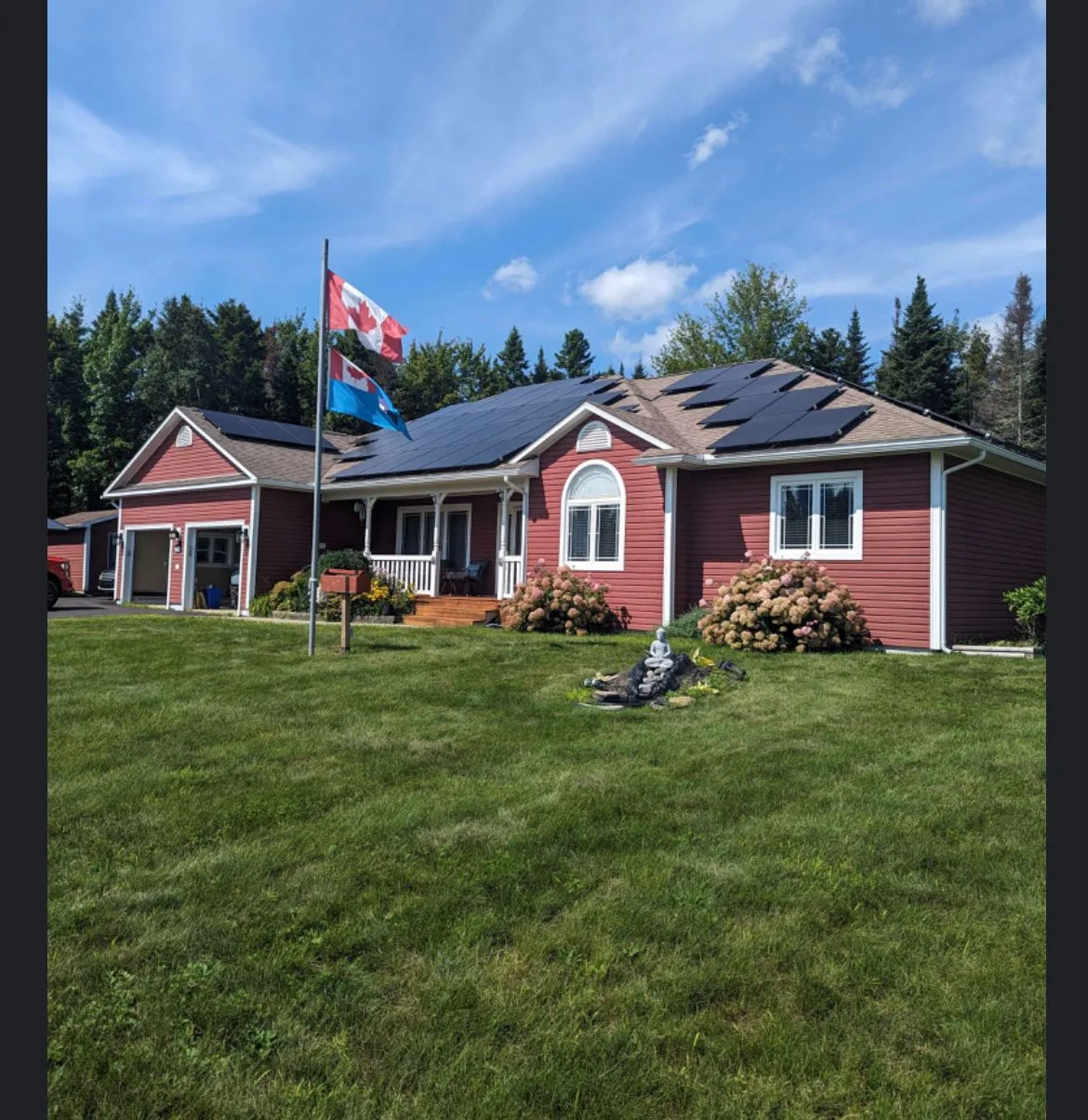
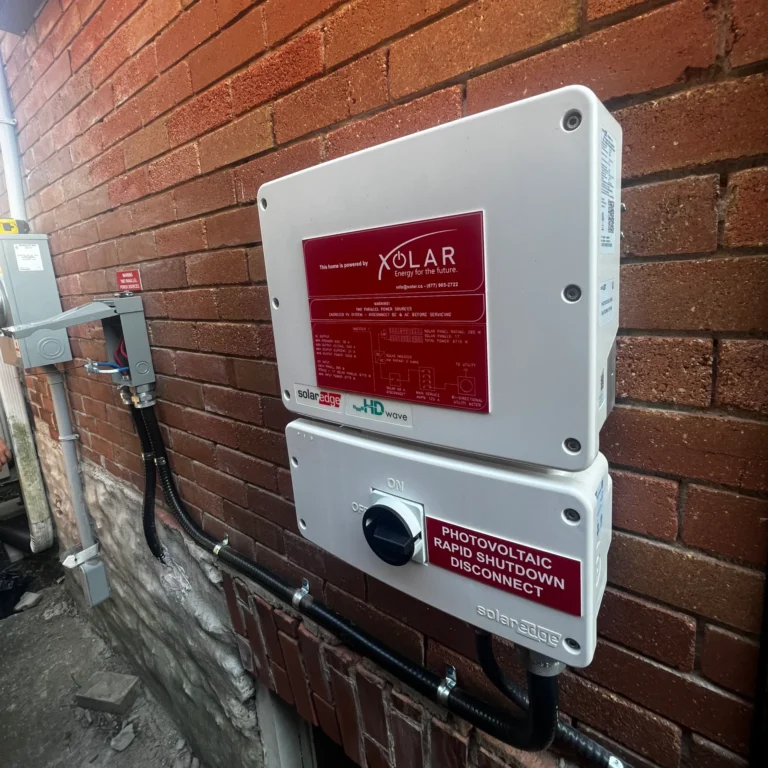
Real Xolar installs near Chilliwack
We haven't published a Chilliwack install yet. These are completed systems in nearby British Columbia communities, under the same provincial rebate and net-metering rules.
Swipe for more installs →
Chilliwack energy & net metering
What BC Hydro charges here, and how surplus solar is credited in British Columbia.
BC Hydro’s current residential rates are 11.87¢/kWh (Step 1) and 14.08¢/kWh (Step 2), with rate increases of 3.75% in both 2025 and 2026. Solar locks in your energy costs as grid rates continue rising.
How your system works behind the meter
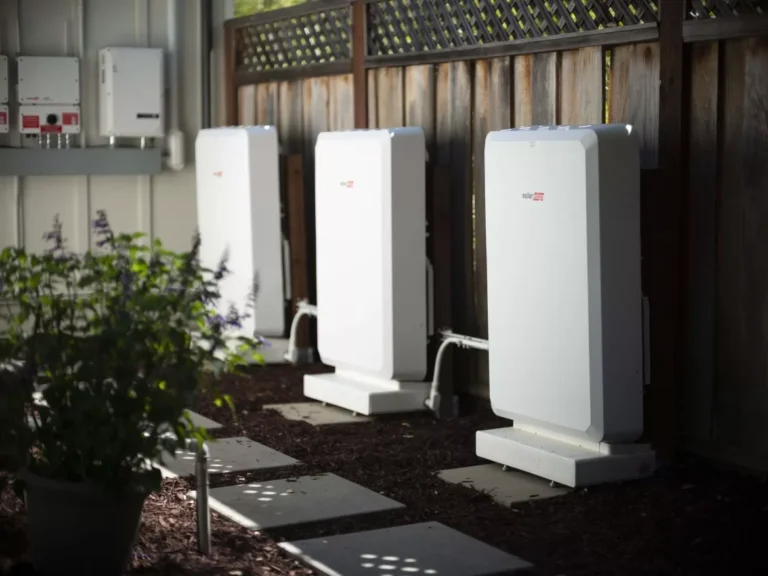
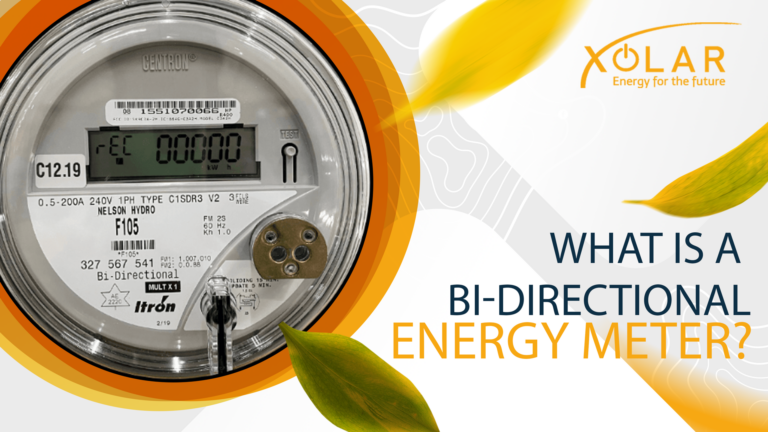
Most of a Chilliwack system's value comes from power used behind the meter — electricity your panels make and your home uses on the spot, offsetting energy you'd otherwise buy at 11.87¢/kWh. Only the surplus flows past the meter to BC Hydro for net-metering credit.
Rebates & incentives in Chilliwack
Every active local, provincial, federal and Xolar program a Chilliwack homeowner can stack.
- Up to $5,000BC Hydro Solar Rebate
- Up to $1,500 with solar ($5,000 only for Peak Saver-eligible batteries)BC Hydro Battery Rebate
- 7% PST exemptionPST Exemption
- Up to $1625Fall 2026 Sale – Battery
- Up to $2550Fall 2026 Sale – Solar
- Up to $475Fall 2026 Sale – Heat Pump
Solar Panels in Chilliwack, BC
Chilliwack at the eastern end of the Fraser Valley produces 1,050 kWh/kW – better than metro Vancouver. BC Hydro rebates (up to $5,000 for solar plus battery rebate (up to $1,500 without Peak Saver, or up to $5,000 with Peak Saver)) and PST exemption apply.
Note: The federal Canada Greener Homes Grant and Loan programs are now closed.
What BC Hydro's Export Rate Change Means in Chilliwack
Until 1 July 2026 a Chilliwack homeowner faced a genuine decision: take BC Hydro’s solar rebate, or stay on 1:1 net metering and bank every exported kilowatt-hour at full retail value. That decision no longer exists. Following a BC Utilities Commission ruling, BC Hydro closed the net metering rate (Rate Schedule 1289) to new customers on 1 July 2026.
New systems go on Rate Schedule 2289 instead. BC Hydro buys your excess generation at a fixed 10 cents per kWh, and — a real improvement on the old arrangement — pays you every billing cycle rather than banking credits until a yearly reconciliation. Because retail electricity in Chilliwack costs more than 10 cents, a kilowatt-hour you use yourself is now worth more than one you export. That makes the shape of your daily consumption matter in a way it did not before: running the dishwasher at noon rather than at midnight is now worth something.
Take the rebate. Declining it no longer preserves 1:1 net metering, because that rate is closed to new customers regardless. BC Hydro’s own position is that the solar rebate is expected to fully offset the impact of the rate change for an average residential customer. One distinction worth knowing: if you accept only the battery rebate and no solar rebate, your service rate is unaffected. BC Hydro also does not permit a pro-rated or combined arrangement across the two rates — it is one or the other.
Chilliwack Is the Sunniest Part of the Lower Mainland, and the Gap Is Small
Chilliwack is modelled at 1,050 kWh per kW a year. Across the BC Hydro-served cities on this site that is the strongest figure anywhere in the Lower Mainland — ahead of Langley and Vancouver at 1,010, Surrey at 1,000, Richmond at 990, Burnaby at 980 and North Vancouver at 960.
The mechanism is straightforward. The marine layer that sits over the coast for much of the year thins as you move east up the Fraser Valley, so Chilliwack sees more direct sun and fewer overcast days than Vancouver does. Its warm, dry summers are the visible part of the same pattern.
But it is worth being honest about the size of the advantage: about four per cent against Vancouver, and about nine per cent against North Vancouver. On an 8 kW system four per cent is a few hundred kilowatt-hours a year. It is real, and it is not the thing that will decide whether solar suits your house.
What will decide it is the roof — orientation, pitch, and what shades it in October when the sun sits low. A south-facing Burnaby roof will comfortably outproduce a west-facing Chilliwack one despite the regional figures pointing the other way.
So treat the Chilliwack advantage as a small tailwind rather than a reason in itself. Where it genuinely helps is at the margin: a roof that is borderline at 980 may be worth doing at 1,050, and that is a real difference for households whose only usable roof plane is imperfect.
Under the New Export Rate, What You Use Yourself Is What Counts
The rules changed in British Columbia this year, and they changed in a direction that rewards a particular kind of household.
BC Hydro closed its 1:1 net metering rate, Rate Schedule 1289, to new customers on 1 July 2026 following a BC Utilities Commission decision. New self-generation customers take Rate Schedule 2289, under which BC Hydro buys excess generation at a fixed 10 cents per kilowatt-hour, credited on each bill with any leftover credit paid out each April 30. Meanwhile you buy electricity back at 11.87 cents on Step 1 and 14.08 cents on Step 2.
So the arithmetic now has two prices in it. A kilowatt-hour you generate and use in the same moment saves you 11.87 or 14.08 cents. The same kilowatt-hour exported earns 10. The difference is not enormous, but it applies to every exported unit for the life of the system, and it flips the old advice on its head: under 1:1 the grid was effectively a free battery and a bigger array was simply better, whereas now a system built past your own consumption gives the surplus away at a discount.
For Chilliwack that points at three things. Size against twelve months of your own bills rather than the roof. Move what load you can into daylight — laundry, dishwasher, car charging, pool pump — because self-consumed generation is worth up to 40 per cent more than exported generation. And treat battery storage as a question worth pricing properly rather than dismissing, since every stored kilowatt-hour you later use is worth the gap between 10 cents and what you would otherwise pay.
Existing net metering customers are not affected immediately; that is covered in the questions below.
Explore More Solar Resources
Showing British Columbia — 11 installs · 549 nationwide
Completed Xolar installations — each dot represents a city where we've installed solar.
Areas We Serve in Chilliwack
Professional solar panel installation available in these Chilliwack neighborhoods and communities:
What Chilliwack homeowners say

Swipe for more reviews →
"I have spoken with a member of xolars sales team and was pleasantly surprised to not have to endure high pressure sales. Chris lets me move thru the process at my level of comfort. I believe whole-heartedly in renewable energy sources. This is a perfect solution for my needs. I would like to see roofs being made with solar panels instead of tar paper shingles. Thanks Chris"

"The representive was really helpful, answered my questions and reviewed competing proposals when I wanted to consider using multiple companies and products."

"Dave C. was very friendly and knowledgeable. Whitehorse, Yukon"

Chilliwack solar questions
Is solar worth it in Chilliwack?
Chilliwack produces 1,050 kWh/kW – better than Vancouver.
With BC Hydro rebates (up to $5,000 for solar, or $10,000 with a Peak Saver battery) and the PST exemption, payback is 10-13 years.
What changed with BC Hydro net metering in July 2026?
BC Hydro closed its 1:1 net metering rate, Rate Schedule 1289, to new customers on 1 July 2026 after a BC Utilities Commission decision.
New self-generation customers go onto Rate Schedule 2289, under which excess generation is bought at a fixed 10 cents per kilowatt-hour and paid each billing cycle rather than yearly.
Since Chilliwack buys power back at 11.87 cents on Step 1 and 14.08 on Step 2, exporting is now worth less than self-consuming.
The practical consequence is that a system should be sized against your own twelve-month consumption rather than against available roof area.
I already have net metering in Chilliwack. Do I lose it?
Not straight away.
BC Hydro states that customers already on Rate Schedule 1289 remain on it until ten years have passed from their initial net metering service start date, after which they transfer automatically to Rate Schedule 2289.
The exception is customers who received BC Hydro’s solar rebate — BC Hydro says those were transitioned to RS 2289 as of 1 July 2026.
So the relevant date is when your own net metering service started.
If you are considering adding panels or a battery to an existing system, check with BC Hydro which rate you are on before you commit, because it changes what the extra generation is worth.
Are there solar rebates in British Columbia?
Yes.
BC Hydro pays $1,000 per kW for solar, up to $5,000 (capped at 50% of installed cost), the same solar maximum as Ontario’s Home Renovation Savings Program.
For a battery, BC Hydro adds up to $1,500 when it is installed with solar, or up to $5,000 if the battery is enrolled in Peak Saver; Ontario pays up to $5,000 for a battery installed with new solar.
Tesla products are not eligible for BC Hydro’s rebates.
Because the solar rebate matches Ontario’s, it is not the reason payback here runs 10 to 13 years despite good production at 1,050 kWh per kW.
The bigger factor is that power you export now earns a fixed 10 cents per kWh from BC Hydro, less than the 11.87 to 14.08 cents you pay for power, so payback depends on how much of your own production you use.
Note also that BC Hydro’s own solar rebate has consequences beyond its value: customers who received it were moved to the new self-generation export rate on 1 July 2026 rather than keeping 1:1 net metering.
Availability changes, so ask what is current when you quote.
How big a system should a Chilliwack home have?
Start from twelve months of your own bills rather than from the roof.
Because exports now earn a fixed 10 cents while you buy back at 11.87 or 14.08 cents, capacity beyond your own consumption earns less than the power it replaces would have cost you.
Total your annual kilowatt-hours and work backwards from Chilliwack’s 1,050 kWh per kW to the capacity that covers them — this page assumes 8 kW as a typical result.
If the roof still has room after that, shifting load into daylight or pricing a battery is usually a better use of the surplus than adding panels that mostly export.
Does Chilliwack get more sun than Vancouver?
Yes, but modestly.
Chilliwack is modelled at 1,050 kWh per kW a year against Vancouver’s 1,010 — about four per cent more, and the strongest figure of any Lower Mainland city on this site, ahead of Langley at 1,010, Surrey at 1,000, Richmond at 990, Burnaby at 980 and North Vancouver at 960.
The reason is that the marine cloud sitting over the coast thins as you move east up the Fraser Valley.
Four per cent is real but it is not decisive: roof orientation and shading will move your production by considerably more than the gap between these two cities.
Get your free Chilliwack solar quote
A personalized proposal in 24 hours — system size, real pricing, and every rebate you qualify for. No pressure, no obligation.

Takes about a minute — no pressure, no obligation.
Solar system packages
All include install, permits & 25-yr warrantyMost popular choice for average Canadian homes
Solar installation across British Columbia
We serve homeowners province-wide. View all British Columbia service areas → Outside British Columbia? Find a solar installer near you →