Solar panels in North Vancouver, British Columbia
The lowest figure we model anywhere in BC — and a clear south roof still works.
North Vancouver is modelled at 960 kWh per kW a year — the lowest figure of any British Columbia city on this site. Mountain proximity and higher rainfall than Vancouver are why. Payback runs 12 to 14 years on a 7 kW system saving about $1,780. The page’s own assessment is the honest one: south–facing roofs with clear exposure perform well here, and the gap between a good North Shore roof and a poor one is wider than the gap between this city and the next.
 4.6 · 780+ reviews

Get Your Free Solar Quote
Custom solar solutions for North Vancouver, BC
Prefer to discuss your project first?Contact usor view ourdetailed quote form
Real Xolar installs in North Vancouver
Completed systems across the North Vancouver service area — first-hand specs, not industry averages.
Swipe for more installs →
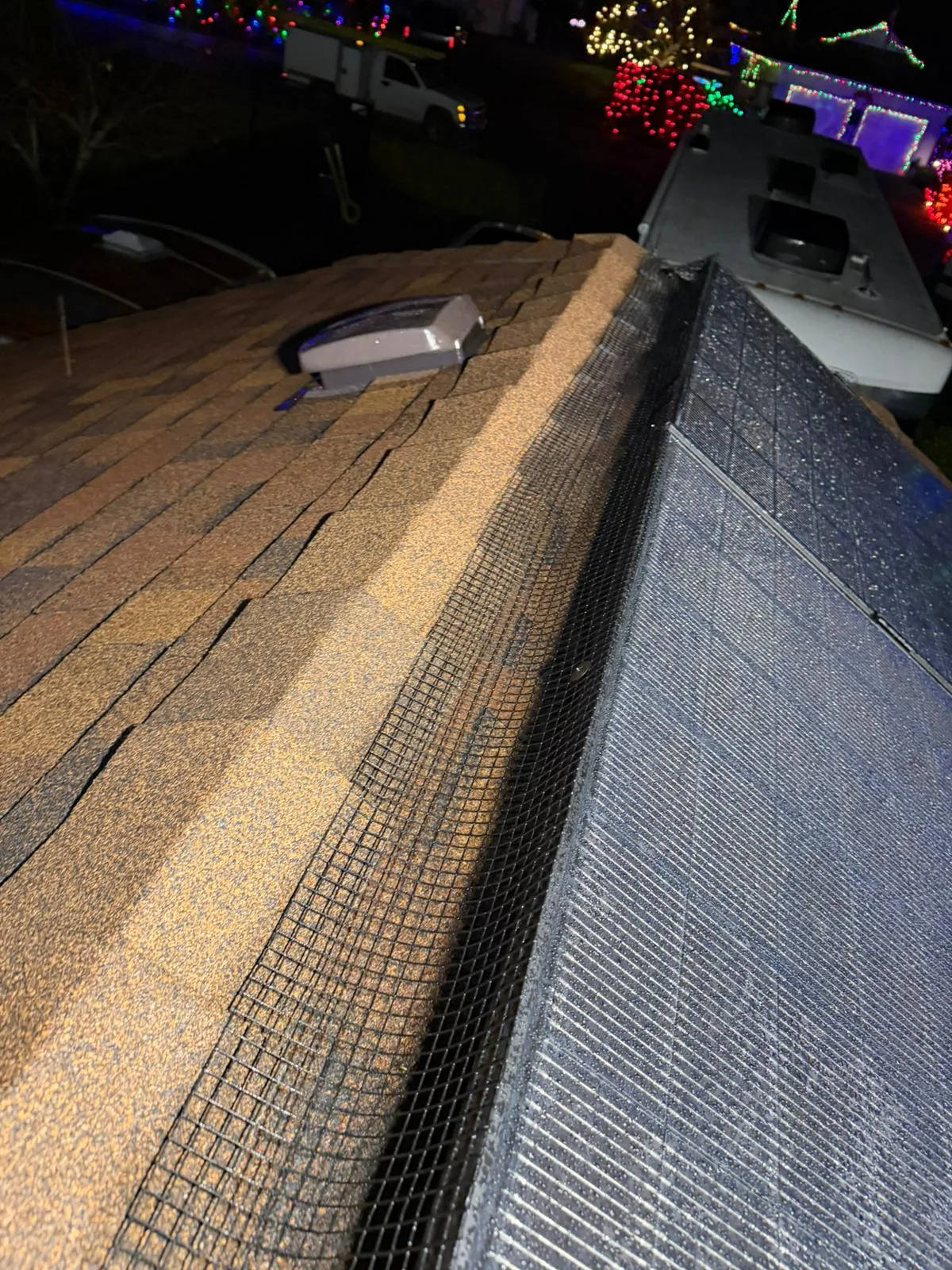
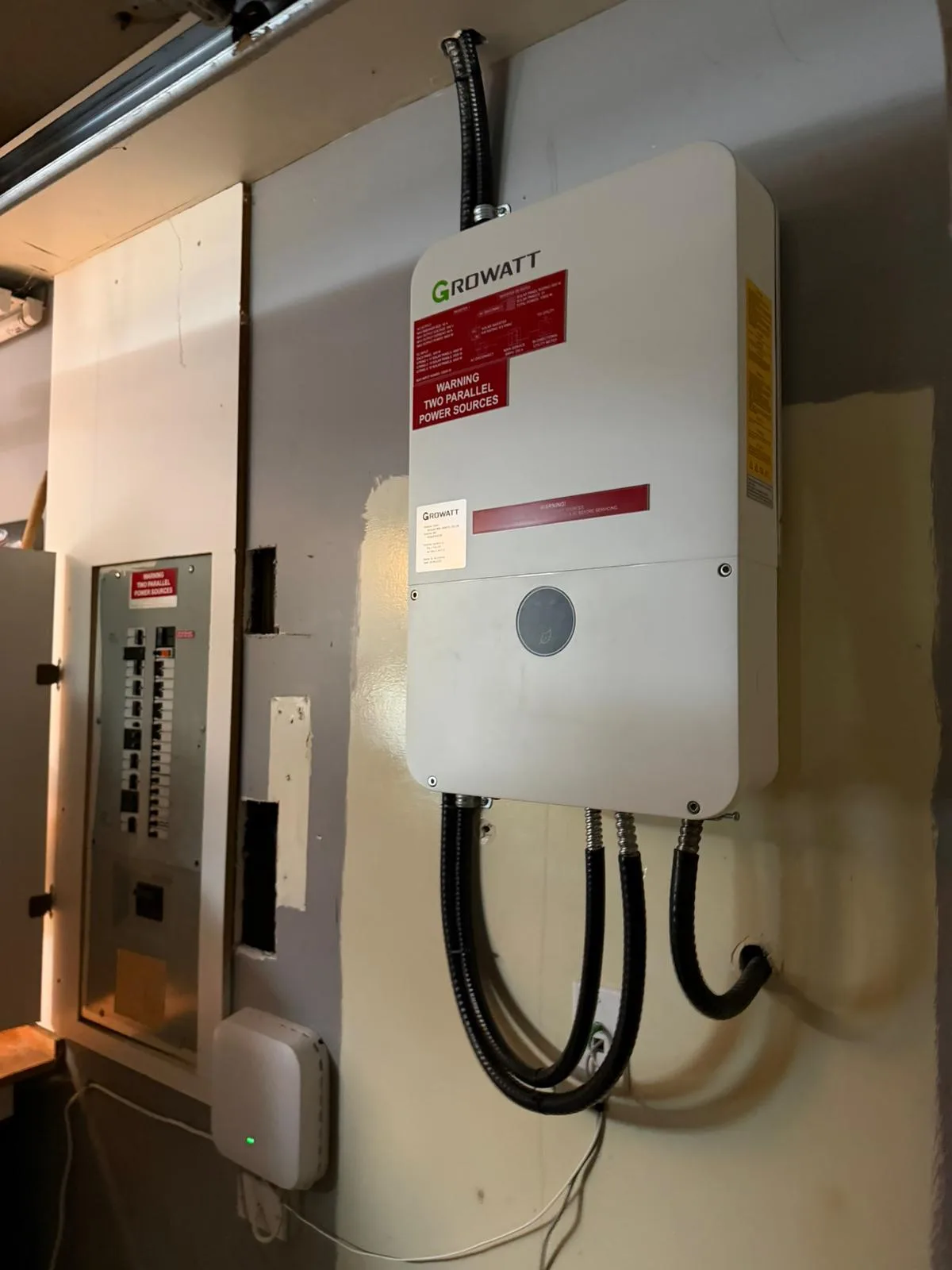
Victoria — 14 kW rooftop
South-facing asphalt shingle · completed January 2026 · 29 progress photos on file
North Vancouver energy & net metering
What BC Hydro charges here, and how surplus solar is credited in British Columbia.
BC Hydro’s current residential rates are 11.87¢/kWh (Step 1) and 14.08¢/kWh (Step 2), with rate increases of 3.75% in both 2025 and 2026. Solar locks in your energy costs as grid rates continue rising.
How your system works behind the meter
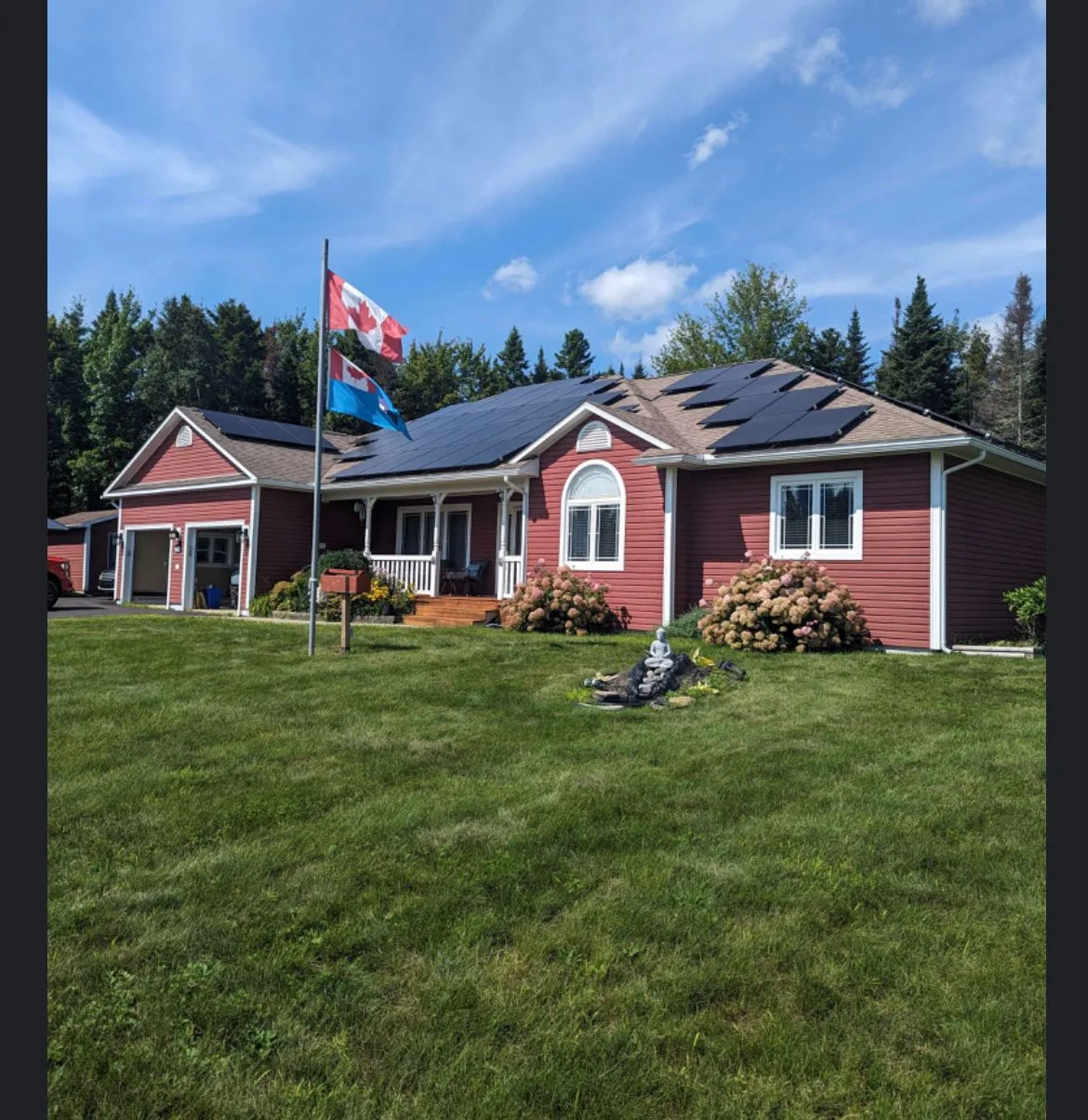
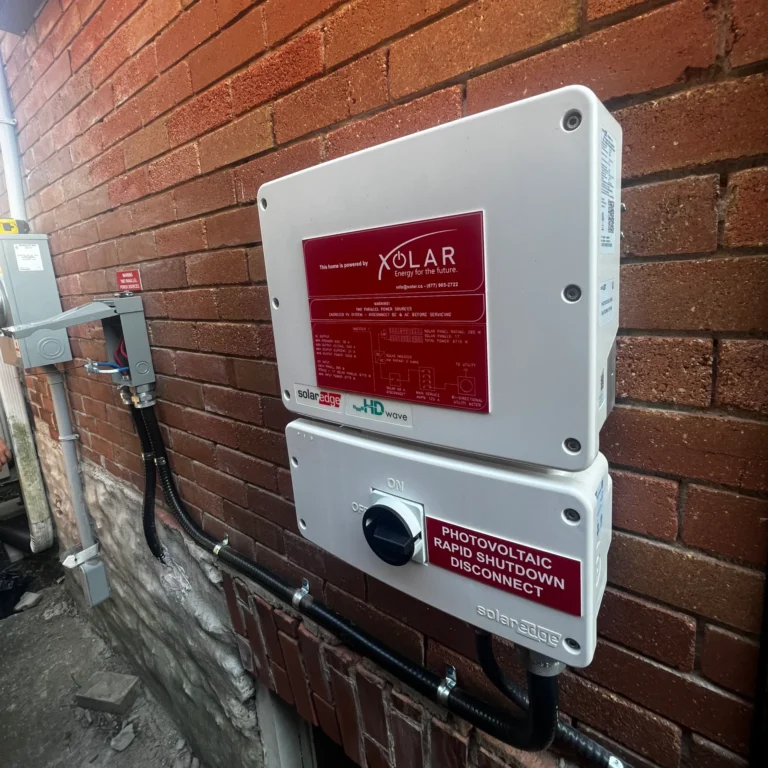
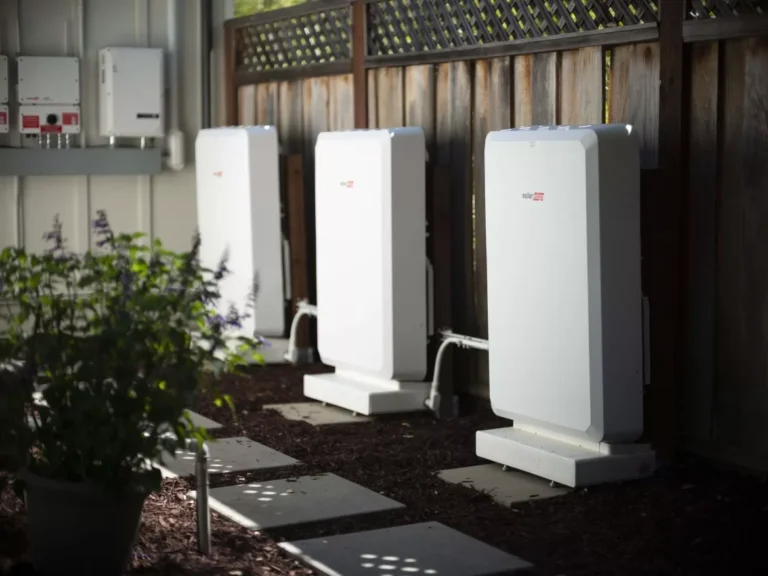
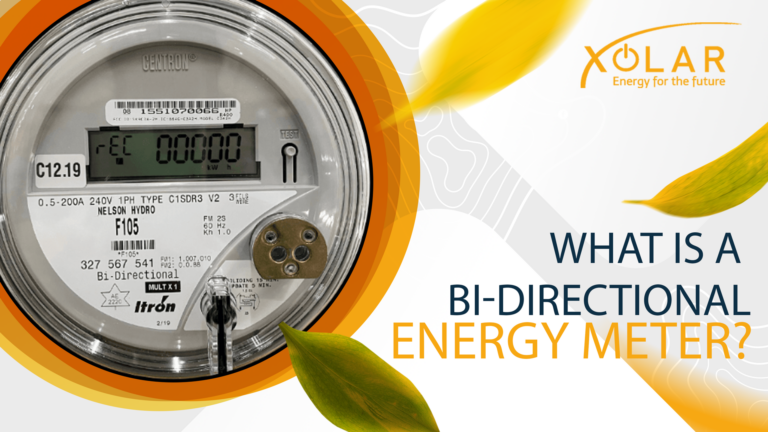
Most of a North Vancouver system's value comes from power used behind the meter — electricity your panels make and your home uses on the spot, offsetting energy you'd otherwise buy at 11.87¢/kWh. Only the surplus flows past the meter to BC Hydro for net-metering credit.
Rebates & incentives in North Vancouver
Every active local, provincial, federal and Xolar program a North Vancouver homeowner can stack.
- Up to $5,000BC Hydro Solar Rebate
- Up to $1,500 ($5,000 with Peak Saver)BC Hydro Battery Rebate
- 7% PST exemptionPST Exemption
- Up to 30% of eligible costsClean Technology Investment Tax Credit (Commercial ITC)
Solar Panels in North Vancouver, BC
North Vancouver’s mountain-adjacent location results in slightly lower production (960 kWh/kW) due to terrain shading on some properties. South-facing roofs perform well. BC Hydro rebates (up to $5,000 for solar plus battery rebate (up to $1,500 without Peak Saver, or up to $5,000 with Peak Saver)) and PST exemption apply.
Note: The federal Canada Greener Homes Grant and Loan programs are now closed.
What BC Hydro's Export Rate Change Means in North Vancouver
Until 1 July 2026 a North Vancouver homeowner faced a genuine decision: take BC Hydro’s solar rebate, or stay on 1:1 net metering and bank every exported kilowatt-hour at full retail value. That decision no longer exists. Following a BC Utilities Commission ruling, BC Hydro closed the net metering rate (Rate Schedule 1289) to new customers on 1 July 2026.
New systems go on Rate Schedule 2289 instead. BC Hydro buys your excess generation at a fixed 10 cents per kWh, and — a real improvement on the old arrangement — pays you every billing cycle rather than banking credits until a yearly reconciliation. Because retail electricity in North Vancouver costs more than 10 cents, a kilowatt-hour you use yourself is now worth more than one you export. That makes the shape of your daily consumption matter in a way it did not before: running the dishwasher at noon rather than at midnight is now worth something.
Take the rebate. Declining it no longer preserves 1:1 net metering, because that rate is closed to new customers regardless. BC Hydro’s own position is that the solar rebate is expected to fully offset the impact of the rate change for an average residential customer. One distinction worth knowing: if you accept only the battery rebate and no solar rebate, your service rate is unaffected. BC Hydro also does not permit a pro-rated or combined arrangement across the two rates — it is one or the other.
The Lowest Modelled Figure of Any BC City We Serve, and What That Actually Means
Of the twenty-one British Columbia service areas on this site, North Vancouver carries the lowest modelled solar resource: 960 kWh per kW a year. Vancouver is 1,010, Richmond 990, Burnaby 980, and inland Chilliwack 1,050. At the other end of the province Kamloops is 1,250.
We would rather put that at the top of the page than bury it. Two things explain it — the North Shore mountains, which shorten the usable solar day on some aspects, and rainfall, which is higher here than in Vancouver proper.
But the number is a district average, and North Vancouver is not an average sort of place. The difference between a Deep Cove property tucked against a slope and an Edgemont or Upper Lonsdale roof with open southern exposure is considerably larger than the 5 per cent that separates this city from Vancouver. This page’s own assessment says it plainly: south-facing roofs with clear exposure perform well here despite mountain proximity.
So the useful question is not whether North Vancouver is the weakest city on the list. It is which side of the local spread your roof sits on, and that requires someone to look at your horizon rather than your postcode.
What the low figure does mean is that marginal roofs are more marginal here. A north-east facing plane, or one that loses two hours to a ridge in the afternoon, may not justify itself at 960 where it might at 1,050. That is a reason for a careful assessment, not a reason to assume the answer is no.
Rain and Cloud Are Not the Same Problem
People on the North Shore usually raise rain as the objection to solar, and it is worth separating what rain does from what cloud does, because they are not the same thing.
Rain itself is close to irrelevant to a solar system, and mildly helpful. Panels are sealed glass units designed to sit outdoors for decades; water runs off them. Rain also washes off the dust, pollen and salt film that otherwise accumulate and shave a little output — in dry climates owners sometimes have to clean panels deliberately, which is rarely a concern here.
Cloud is the real variable, and its effect is smaller than most people assume. Panels respond to light rather than to direct sunshine, so an overcast day still produces — considerably less than a clear one, but not nothing. That is precisely why a coastal city like this one still models at 960 kWh per kW rather than at some catastrophic figure, and why Germany, which is cloudier than most of Canada, built a large domestic solar industry.
What the marine climate does cost you is concentrated in the darkest months, when short days and heavy overcast coincide. That matters more under BC Hydro’s current rules than it used to, because your summer surplus now earns a fixed 10 cents per kilowatt-hour rather than banking at retail — so a system sized to cover a wet December through summer overproduction is doing something the tariff no longer rewards.
Size to your own annual consumption instead. In North Vancouver that usually means a modest system on the best available plane rather than a large one spread across compromised aspects.
Explore More Solar Resources
Showing British Columbia — 10 installs · 534 nationwide
Completed Xolar installations — each dot represents a city where we've installed solar.
Areas We Serve in North Vancouver
Professional solar panel installation available in these North Vancouver neighborhoods and communities:
What North Vancouver homeowners say

Swipe for more reviews →
"Personable and was honest with his approach. Very knowledgeable about grants, loans and of course his products."

"It was informative to say the least, and over time will be cost effective to my family's home, just trying to get the ball rolling to start the process"

"Sales rep (Vivek) was very helpful, knowledgeable, and thorough. He has been quick to respond to any follow-up questions as well. Excellent.Update: Throughout the process, Xolar communicated well. Installer was excellent. Very happy with solar production."

"very detailed n informative section rendered, pls keep it up!"

"Vivek was extremely knowledgeable listened well and was a competent communicator. He has rightly put our decision in our hands with all the info provided and we can still contact him with any additional questions."

"very help full and told me what i needed to know"

North Vancouver solar questions
Does solar work in North Vancouver?
Yes, though mountain proximity can cause shading on some properties.
South-facing roofs with clear exposure produce well.
A site assessment determines your specific potential.
Do the North Shore mountains block enough sun to matter?
On some properties, yes — and that is why the district figure is a poor guide here.
North Vancouver is modelled at 960 kWh per kW a year, the lowest of any BC city on this site, and mountain proximity is part of the reason.
But the spread within the district is wider than the gap between North Vancouver and Vancouver.
A property in Deep Cove tucked against a slope loses hours a clear Edgemont or Upper Lonsdale roof keeps.
The test is whether an installer has surveyed the horizon from your actual roof rather than assuming a flat one — terrain shading removes blocks of the day and is worst in winter, when the sun sits low.
Does all the rain make solar pointless in North Vancouver?
No, and rain is the wrong thing to worry about.
Panels are sealed outdoor equipment and water simply runs off; rain also rinses away the dust and salt film that would otherwise cost you a little output.
Cloud is the real variable, and panels respond to light rather than to direct sun, so overcast days still produce — less than clear ones, but not nothing.
That is why a wet coastal city still models at 960 kWh per kW rather than something negligible.
What the climate does cost is concentrated in the darkest months, which is an argument for sizing to your own consumption rather than for skipping solar.
What changed with BC Hydro net metering in July 2026?
BC Hydro closed its 1:1 net metering rate, Rate Schedule 1289, to new customers on 1 July 2026 after a BC Utilities Commission decision.
New self-generation customers take Rate Schedule 2289, under which excess generation is bought at a fixed 10 cents per kilowatt-hour and paid each billing cycle rather than yearly.
You buy power back at 11.87 cents on Step 1 and 14.08 on Step 2, so generation you use yourself is worth more than generation you export.
In practice that means sizing to your own twelve-month consumption rather than to available roof area.
I already have net metering. Do I keep the 1:1 rate?
For up to ten years.
BC Hydro states that customers already on Rate Schedule 1289 remain on it until ten years have passed from their initial net metering service start date, after which they transfer automatically to Rate Schedule 2289.
The exception is customers who received BC Hydro’s solar rebate, who BC Hydro says were transitioned to RS 2289 as of 1 July 2026.
What matters is your own service start date, not the date the rule changed — so confirm with BC Hydro which rate you are on before adding panels or storage to an existing system.
Are there solar rebates in British Columbia?
Not on the scale Ontario offers.
Ontario’s Home Renovation Savings Program pays up to $10,000 for solar panels and battery storage together, and British Columbia has no residential equivalent of that size, so a North Vancouver system starts closer to full price — part of why payback here runs 12 to 14 years.
Worth knowing about BC Hydro’s own solar rebate: customers who received it were moved to the new self-generation export rate on 1 July 2026 rather than keeping 1:1 net metering, so it carried a consequence beyond its cash value.
Availability changes, so ask what is current when you quote.
Get your free North Vancouver solar quote
A personalized proposal in 24 hours — system size, real pricing, and every rebate you qualify for. No pressure, no obligation.
Takes about a minute — no pressure, no obligation.
Solar system packages
All include install, permits & 25-yr warrantyMost popular choice for average Canadian homes
Solar installation across British Columbia
We serve homeowners province-wide. View all British Columbia service areas →