Solar panels in Victoria, British Columbia
The best sun on the BC coast — and the strongest reason to use it yourself.
Victoria produces 1,040 kWh per kW a year on 2,193 hours of sunshine — more than Vancouver’s 1,938 — which makes it the strongest coastal solar city Xolar serves in BC. Since BC Hydro moved exports to a fixed 10 cents per kWh in July 2026, that high output makes the design question sharper here than almost anywhere: what you use yourself is now worth more than what you send back.


Updated
Get Your Free Solar Quote
Custom solar solutions for Victoria, BC
Prefer to discuss your project first? Contact us or view our detailed quote form
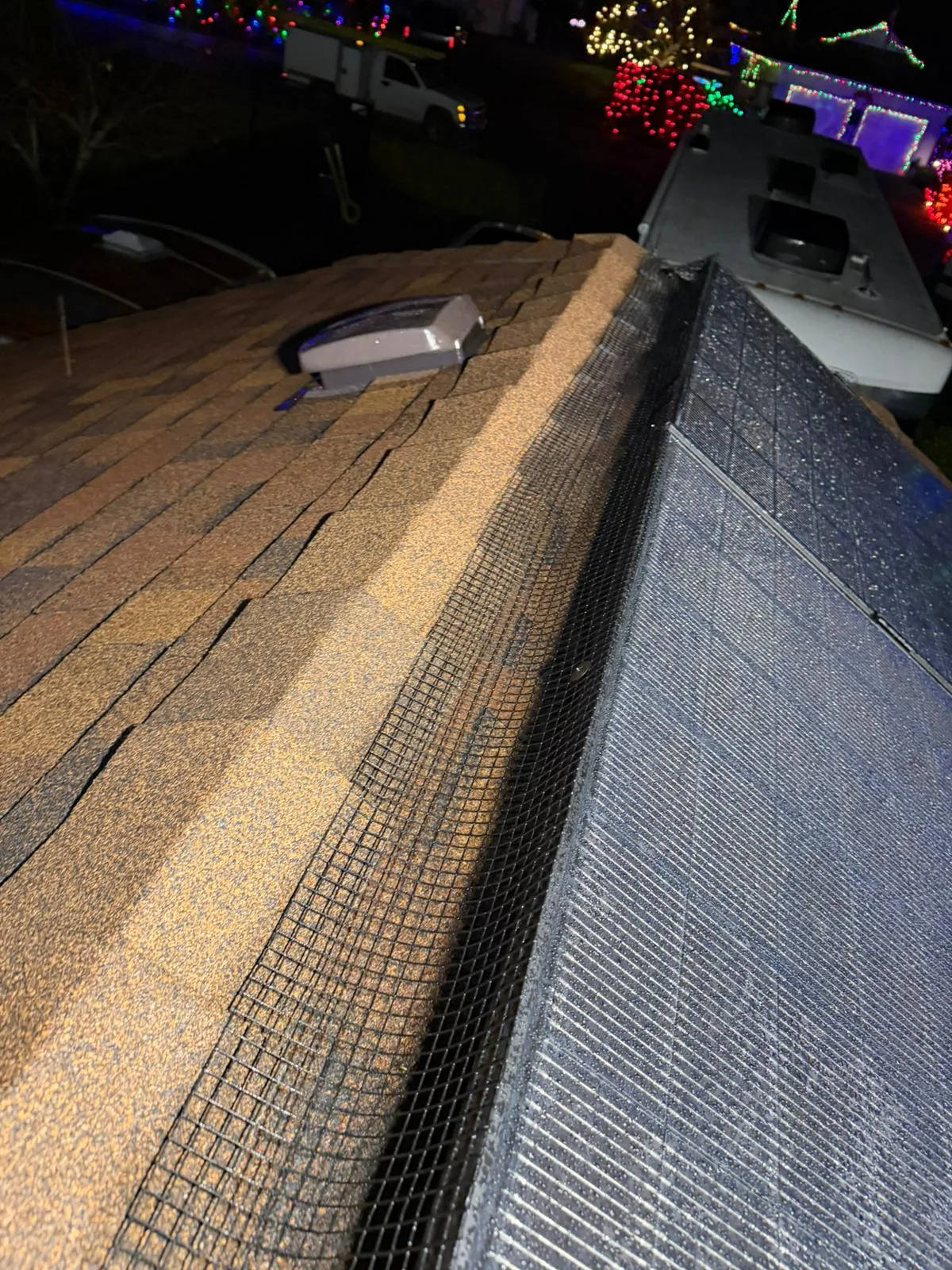
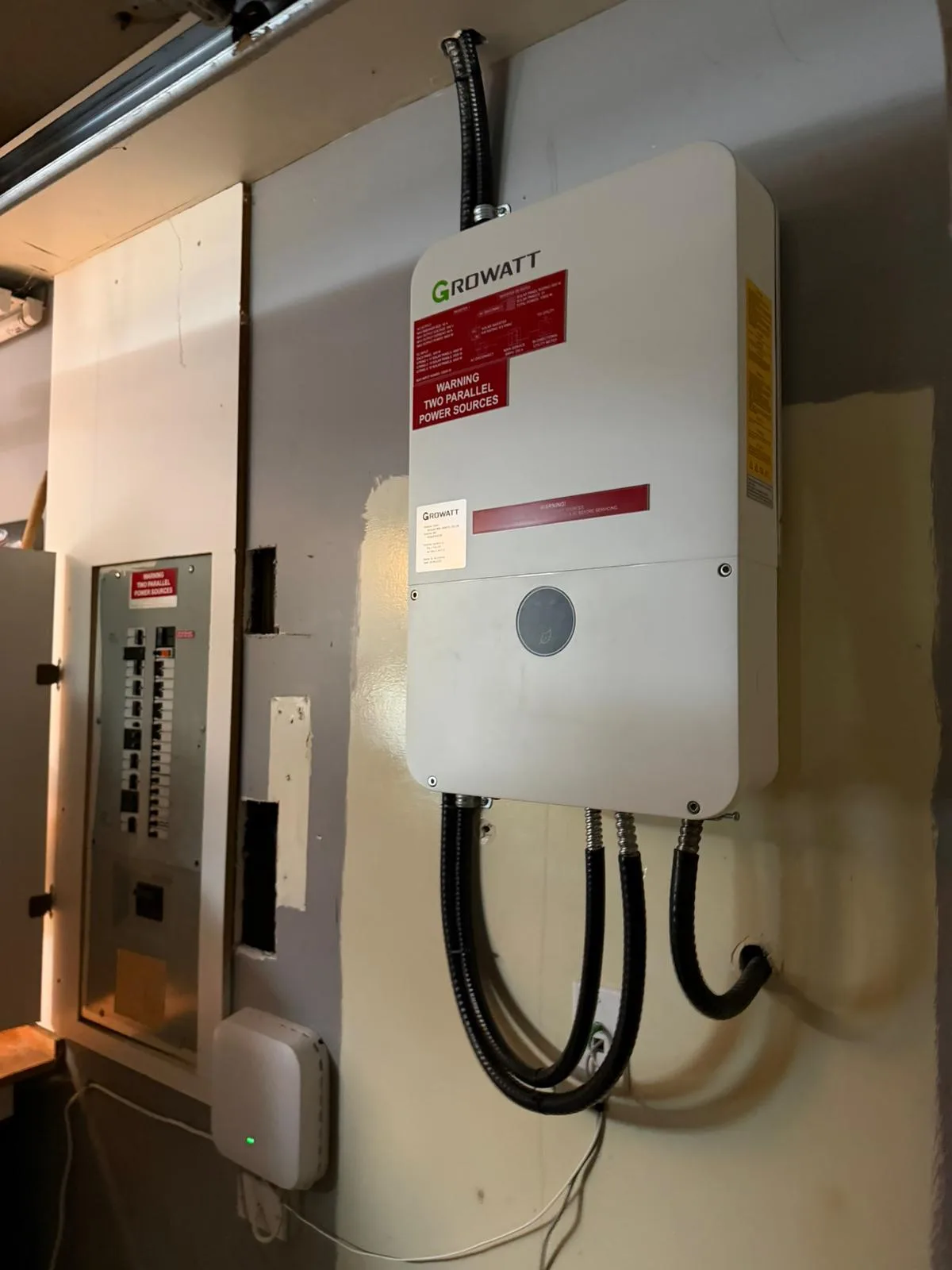
Victoria — 14 kW rooftop
Completed January 2026
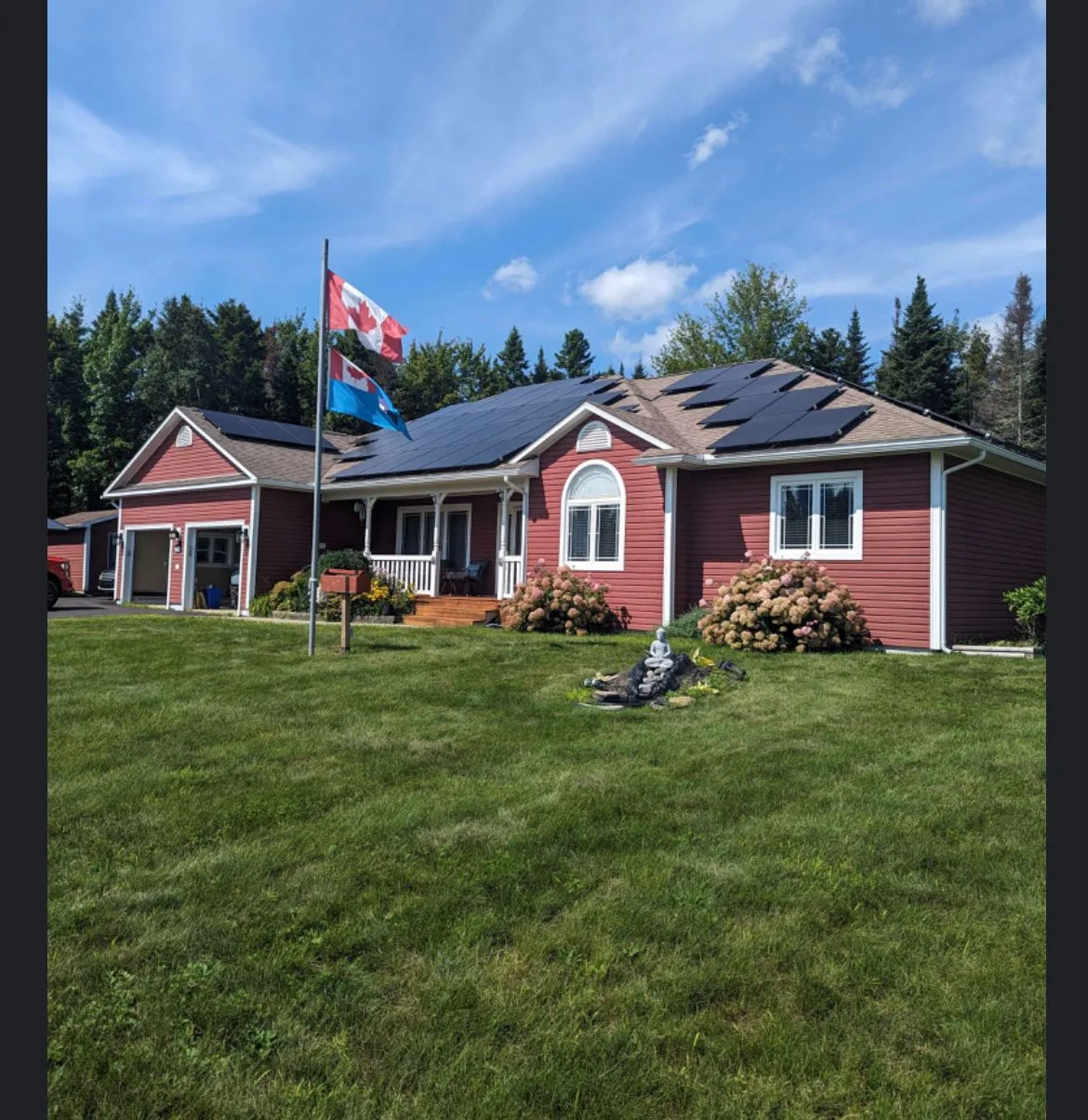
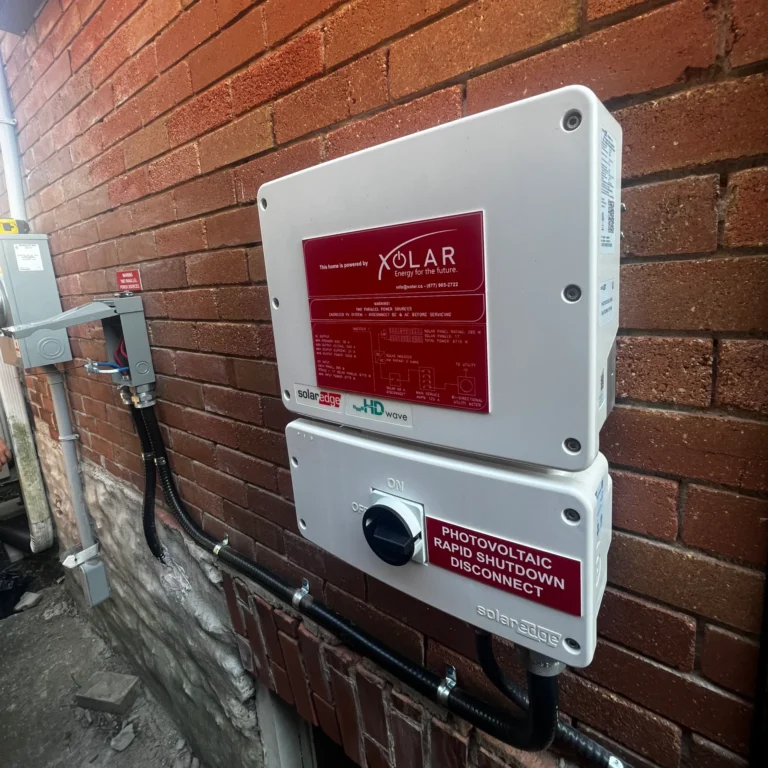
Real Xolar installs in Victoria
Completed systems across the Victoria service area — first-hand specs, not industry averages.
Victoria energy & net metering
What BC Hydro charges here, and how surplus solar is credited in British Columbia.
BC Hydro’s current residential rates are 11.87¢/kWh (Step 1) and 14.08¢/kWh (Step 2), with rate increases of 3.75% in both 2025 and 2026. Solar locks in your energy costs as grid rates continue rising.
How your system works behind the meter
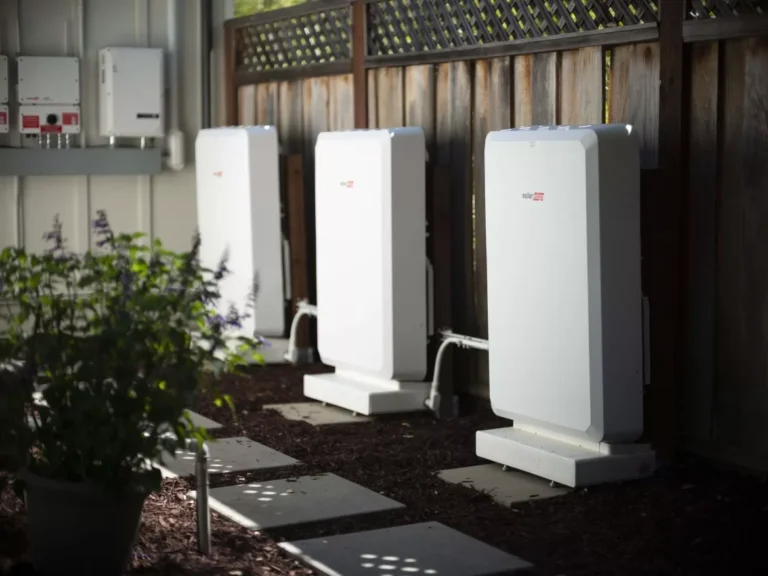
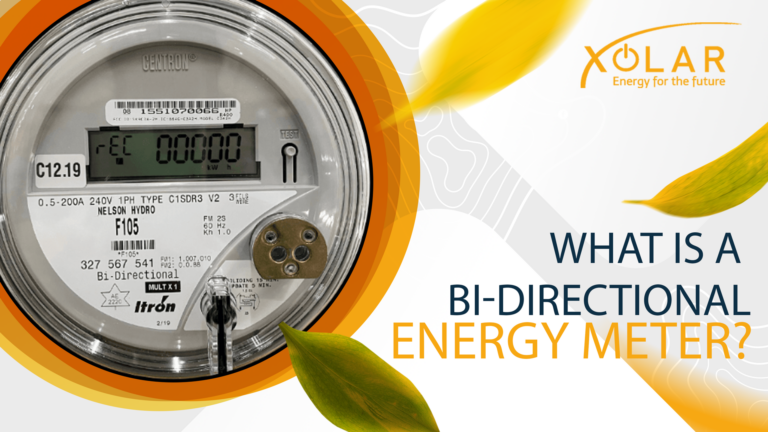
Most of a Victoria system's value comes from power used behind the meter — electricity your panels make and your home uses on the spot, offsetting energy you'd otherwise buy at 11.87¢/kWh. Only the surplus flows past the meter to BC Hydro for net-metering credit.
Rebates & incentives in Victoria
Every active local, provincial, federal and Xolar program a Victoria homeowner can stack.
- Up to $5,000BC Hydro Solar Rebate
- Up to $1,500 with solar ($5,000 only for Peak Saver-eligible batteries)BC Hydro Battery Rebate
- 7% PST exemptionPST Exemption
- Up to $1625Fall 2026 Sale – Battery
- Up to $2550Fall 2026 Sale – Solar
- Up to $475Fall 2026 Sale – Heat Pump
Solar Panels in Victoria, BC
Victoria gets more sunshine than Vancouver – 2,193 hours annually vs 1,938. Production of 1,040 kWh/kW makes Victoria one of the better coastal BC locations for solar. BC Hydro rebates (up to $5,000 for solar plus battery rebate (up to $1,500 without Peak Saver, or up to $5,000 with Peak Saver)), and the PST exemption (~$2K savings) give Victoria homeowners strong options.
Beginning June 1, 2026, installations must be completed by an HPCN member to qualify for BC Hydro rebates.
Note: The federal Canada Greener Homes Grant and Loan programs are now closed. BC Hydro rebates and PST exemption remain active.
What BC Hydro's Export Rate Change Means in Victoria
Until 1 July 2026 a Victoria homeowner faced a genuine decision: take BC Hydro’s solar rebate, or stay on 1:1 net metering and bank every exported kilowatt-hour at full retail value. That decision no longer exists. Following a BC Utilities Commission ruling, BC Hydro closed the net metering rate (Rate Schedule 1289) to new customers on 1 July 2026.
New systems go on Rate Schedule 2289 instead. BC Hydro buys your excess generation at a fixed 10 cents per kWh, and — a real improvement on the old arrangement — pays you every billing cycle rather than banking credits until a yearly reconciliation. Because retail electricity in Victoria costs more than 10 cents, a kilowatt-hour you use yourself is now worth more than one you export. That makes the shape of your daily consumption matter in a way it did not before: running the dishwasher at noon rather than at midnight is now worth something.
Take the rebate. Declining it no longer preserves 1:1 net metering, because that rate is closed to new customers regardless. BC Hydro’s own position is that the solar rebate is expected to fully offset the impact of the rate change for an average residential customer. One distinction worth knowing: if you accept only the battery rebate and no solar rebate, your service rate is unaffected. BC Hydro also does not permit a pro-rated or combined arrangement across the two rates — it is one or the other.
Victoria's Sunshine Advantage Cuts Both Ways Now
The usual way to sell solar in Victoria is the sunshine figure: 2,193 hours a year against Vancouver’s 1,938, and 1,040 kWh per kW to show for it. That is real, and it is the best coastal production anywhere Xolar works in British Columbia. But since 1 July 2026 it carries a consequence worth understanding before you size a system. BC Hydro now pays a fixed 10 cents per kWh for exported energy, while Victoria homes buy electricity back at 11.87 cents on the first step and 14.08 cents on the second. Every kilowatt-hour you use yourself is therefore worth more than one you sell — and the more your roof produces, the more surplus you have exposed to the lower price. Counter-intuitively, the sunniest cities are the ones where oversizing now costs the most, because they generate the biggest summer surplus. A Victoria system built to cover annual consumption on paper can still export heavily in July while you are buying power back in January. The fix is not a smaller system so much as a better matched one: size against twelve months of your actual bills, and consider whether shifting some load into the daylight hours, or storing the surplus, is worth more to you than selling it at 10 cents.
The Sunniest Coastal City We Serve, and the Mildest Winter to Go With It
Victoria records 2,193 hours of sunshine a year against Vancouver’s 1,938, and it converts that into 1,040 kWh per kW — the strongest coastal solar resource Xolar serves in British Columbia. It also has the warmest climate in Canada, with mild, wet winters.
That combination shapes the year in a way worth understanding. Victoria’s advantage over the rest of the coast is not a dramatically better summer; it is a less severe winter and more usable shoulder seasons. Production in March and October holds up better here than it does further north on the island, which matters because those are months when a household is still drawing meaningfully on the grid.
It also changes what the July surplus is worth. Since BC Hydro moved new customers onto Rate Schedule 2289 on 1 July 2026, exported energy is bought at a fixed 10 cents per kilowatt-hour while you buy back at 11.87 on Step 1 and 14.08 on Step 2. A flatter production curve means proportionally less of your output arrives as unusable summer surplus — so Victoria’s sunshine advantage now shows up partly as a shape advantage rather than only a volume one.
At a payback of 10 to 13 years, Victoria is the quickest of the BC coastal cities on this site. The practical advice is unchanged and holds more strongly here than elsewhere: size against twelve months of your own consumption, because in Victoria a larger share of production lands in months when you can actually use it.
Explore More Solar Resources
Showing British Columbia — 11 installs · 549 nationwide
Completed Xolar installations — each dot represents a city where we've installed solar.
Areas We Serve in Victoria
Professional solar panel installation available in these Victoria neighborhoods and communities:
What Victoria homeowners say

Swipe for more reviews →
"The representative, Duncan was a GREAT dude, full of knowledge, respectful, friendly and kind. I am holding off for a year because I realize this venture is gonna cost me a little up front money, where I'm NOT ready to invest so heavily in this product.AWESOME experience..."

"Curtis was very knowledgeable about the product he presented. He provided truthful and accurate answers to my questions and concerns."

"Friendly, easy to understand. Knowledgeable about what is offered for grants and products."

Victoria solar questions
How does Victoria compare to Vancouver for solar?
Victoria gets more sun – 2,193 hours vs Vancouver’s 1,938.
Production of 1,040 kWh/kW is better than metro Vancouver.
Same BC Hydro rebates apply.
What solar rebates are available in Victoria?
BC Hydro offers up to $5,000 for solar and battery rebate of up to $1,500 with solar (no Peak Saver), or up to $5,000 with Peak Saver enrollment.
PST exemption saves ~$2,000 on equipment.
Note: taking the BC Hydro rebate puts you on the 10¢/kWh export rate (Rate Schedule 2289), which has applied to new customers since 1 July 2026.
Is it still worth going solar in Victoria now that 1:1 net metering is gone?
Yes, but the arithmetic has moved.
BC Hydro closed 1:1 net metering to new customers on 1 July 2026 and now pays a fixed 10 cents per kWh for exported energy, credited on every bill, with any leftover credit paid out each April 30.
Victoria buys power back at 11.87 to 14.08 cents, so the value of a solar system now comes mainly from the power you use yourself rather than the power you sell.
With 1,040 kWh per kW — the best coastal figure in BC — there is plenty to use.
What changed is the design: match the array to your consumption instead of filling the roof.
How does BC Hydro's two-step rate affect what solar saves me?
It means the first part of your system earns more than the last.
BC Hydro charges Step 1 at 11.87 cents per kilowatt-hour up to a threshold and Step 2 at 14.08 cents above it.
Solar reduces the total you draw from the grid, so it removes kilowatt-hours from the top of your consumption — the Step 2 ones first.
A household well into Step 2 therefore displaces power at 14.08 cents, while one that never leaves Step 1 displaces at 11.87.
Once your generation has pulled you down into Step 1, further output displaces cheaper power, and anything beyond your own consumption is exported at a fixed 10 cents.
It is worth asking which step your household actually sits in across a year before accepting a savings estimate.
Does Victoria's mild winter actually help solar production?
Indirectly, yes — though not for the reason people usually assume.
Panels are driven by light rather than warmth, and they are marginally more efficient when cool, so a mild winter is not itself a production bonus.
What Victoria’s climate gives you is a flatter year: less severe winters and more usable shoulder seasons mean March and October hold up better here than further north on the island, and those are months when a household is still drawing meaningfully on the grid.
Since BC Hydro moved new customers to a fixed 10-cent export price in July 2026, output that lands when you can actually use it is worth more than output that arrives as summer surplus — so a flatter curve is now a real advantage.
Victoria’s 1,040 kWh per kW is the strongest on the BC coast on our figures, and its 10 to 13 year payback the shortest.
How big a system should a Victoria home have?
Size it against twelve months of your own bills rather than against the roof.
Since BC Hydro moved new self-generation customers onto Rate Schedule 2289 on 1 July 2026, exported energy is bought at a fixed 10 cents per kilowatt-hour while you buy power back at 11.87 cents on Step 1 and 14.08 on Step 2 — so generation you consume yourself is worth more than generation you export.
Total your annual kilowatt-hours and work backwards from Victoria’s 1,040 kWh per kW to the capacity that covers them.
Victoria helps here: its milder winters and stronger shoulder seasons mean a larger share of production lands in months when a household is still drawing on the grid, so less of it leaves as summer surplus than on the rest of the coast.
Get your free Victoria solar quote
A personalized proposal in 24 hours — system size, real pricing, and every rebate you qualify for. No pressure, no obligation.

Takes about a minute — no pressure, no obligation.
Solar system packages
All include install, permits & 25-yr warrantyMost popular choice for average Canadian homes
Solar installation across British Columbia
We serve homeowners province-wide. View all British Columbia service areas → Outside British Columbia? Find a solar installer near you →