Solar panels in Saint John, New Brunswick
Saint John's Premier Choice For Home Solar Installations
Saint John is served by Saint John Energy – a municipal utility separate from NB Power – with its own lower retail rate (~11.76¢/kWh) and a net metering program that credits excess generation below the retail rate. Solar installations in Saint John produce an average of 1,133 kWh per kW annually. With NB electricity rates rising rapidly, solar is an increasingly smart investment for Saint John homeowners.
 4.6 · 780+ reviews

Get Your Free Solar Quote
Custom solar solutions for Saint John, NB
Prefer to discuss your project first?Contact usor view ourdetailed quote form
Real Xolar installs in Saint John
Completed systems across the Saint John service area — first-hand specs, not industry averages.
Swipe for more installs →
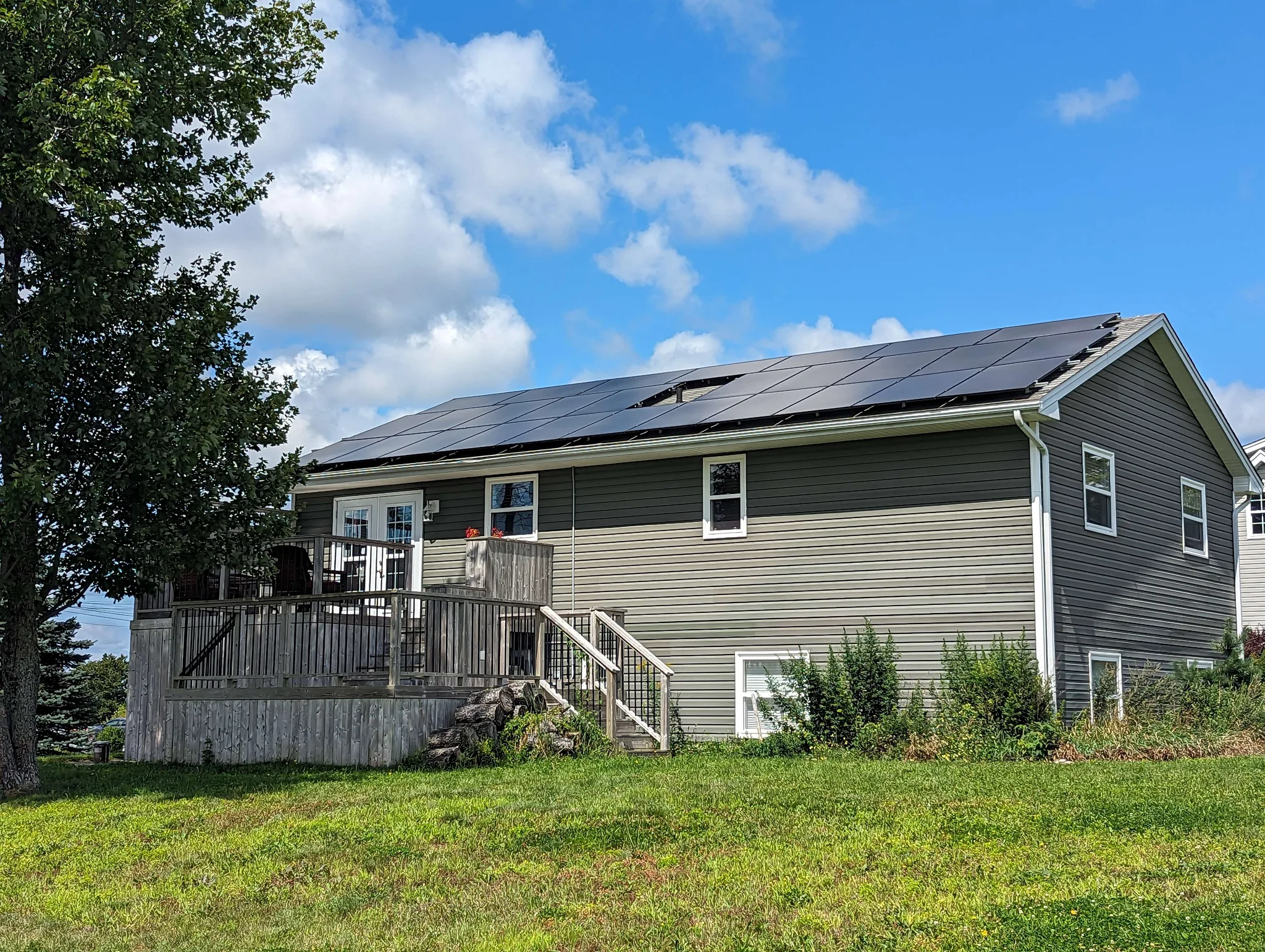
Saint John — 15.8 kW rooftop
South-facing asphalt shingle · completed July 2023 · 18 progress photos on file
What 28 real Saint John installs tell us
Aggregated from completed Xolar systems in Saint John — first-hand data, not industry averages.
Saint John energy & net metering
What Saint John Energy charges here, and how surplus solar is credited in New Brunswick.
Saint John is served by Saint John Energy, a municipal utility whose residential rate is approximately 11.76¢/kWh following the 4.29% EUB–approved increase effective April 14, 2026 – about 7% below NB Power. With electricity costs rising in recent years, solar is an increasingly strong investment in Saint John.
How your system works behind the meter
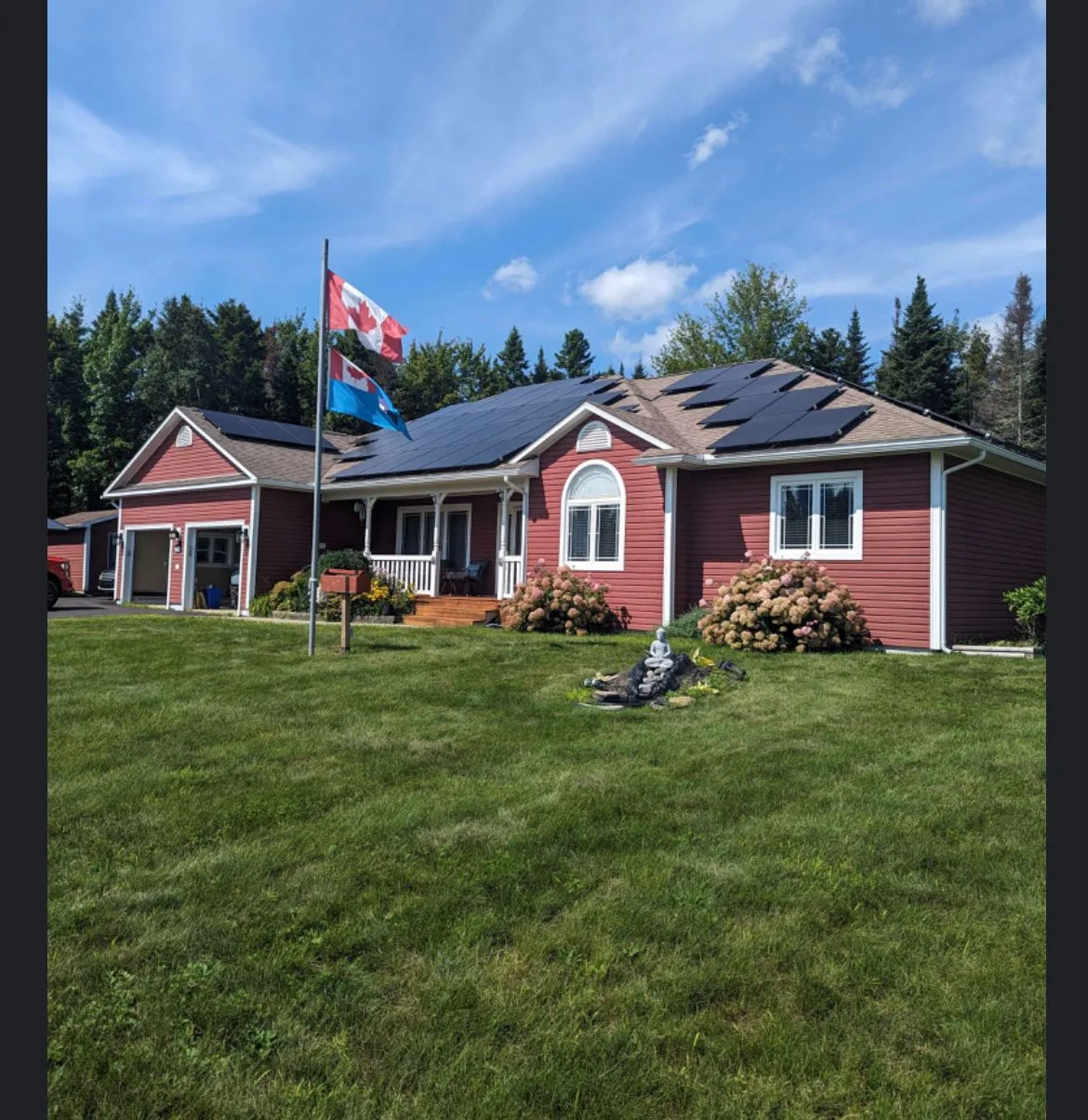
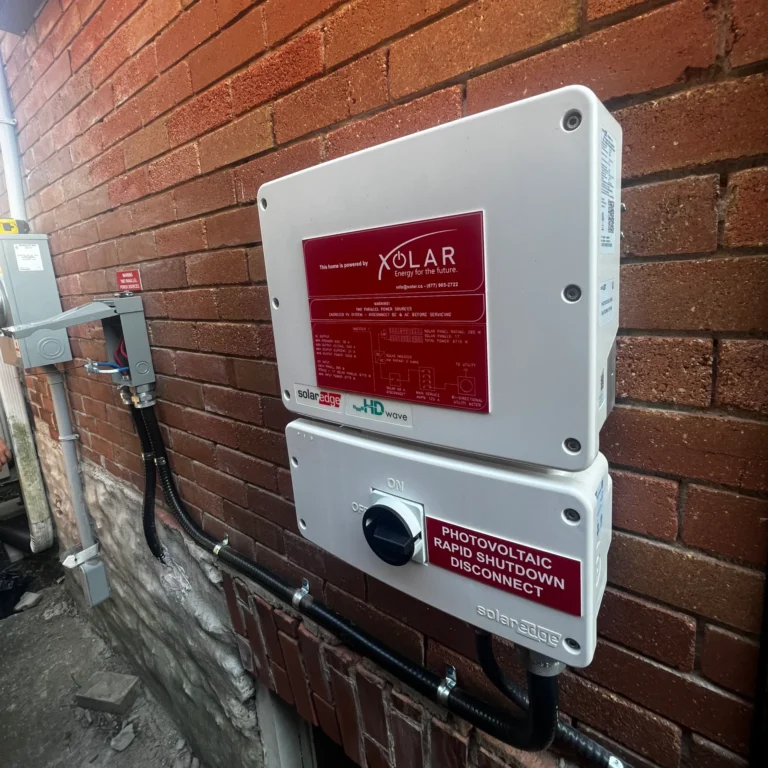
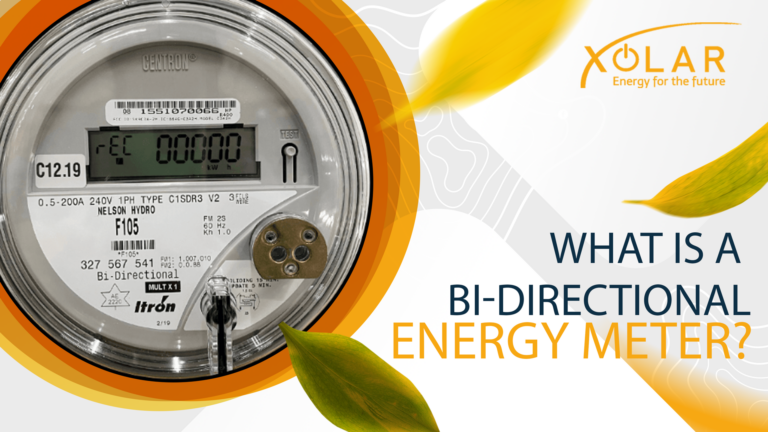
Most of a Saint John system's value comes from power used behind the meter — electricity your panels make and your home uses on the spot, offsetting energy you'd otherwise buy at 11.8¢/kWh. Only the surplus flows past the meter to Saint John Energy for net-metering credit.
Rebates & incentives in Saint John
Every active local, provincial, federal and Xolar program a Saint John homeowner can stack.
- 100% Cost RebateEnhanced Energy Savings Program
- Up to $1,500Total Home Energy Savings Program – Heat Pump
- Up to 30% of eligible costsClean Technology Investment Tax Credit (Commercial ITC)
Solar Panels in Saint John, New Brunswick
Saint John is unique among New Brunswick cities because it is served by Saint John Energy – a municipal utility separate from NB Power. Solar installations in Saint John produce 1,133 kWh/kW annually, with payback of 9-13 years.
With NB electricity rates rising in recent years – Saint John Energy is now at 11.76¢/kWh following the April 14, 2026 increase – solar locks in your energy cost for 25+ years.
Saint John Energy Net Metering - What You Need to Know
Saint John Energy offers net metering for grid-tied solar, but its export credit structure is different from NB Power’s. SJE credits excess generation at approximately 8.15¢/kWh (90% of avoided cost) – well below the retail rate of ~11.76¢/kWh you pay for grid power.
This means that surplus solar exported to the grid is valued at roughly two-thirds of the retail rate. Oversizing your system to generate more than you use provides poor returns on the excess. We size Saint John systems to match your consumption so you maximize the value of every kilowatt-hour your panels produce.
THESP Solar Rebate – Registration Closed
NB’s Total Home Energy Savings Program offered a flat $200/kW, up to $3,000 for residential solar. Registration closed May 27, 2026 – no new applicants are being accepted. Registered applicants must complete installs by January 31, 2027.
Cheaper Power Than the Rest of New Brunswick, and a Worse Export Credit
Saint John is unusual in New Brunswick: it has its own municipal utility rather than being served by NB Power, and that cuts both ways for solar.
The good half is the rate. Saint John Energy charges about 11.76 cents per kilowatt-hour, against NB Power’s 15.39 cents in Moncton, Dieppe and Fredericton — roughly 24 per cent less for the same electricity. For a household that is a straightforward saving.
The half that matters for a solar owner is the export credit. NB Power credits excess solar one-for-one at the full retail rate of 15.39 cents. Saint John Energy credits excess generation at approximately 8.15 cents per kilowatt-hour, based on 90 per cent of avoided cost — not at retail.
So the two utilities are almost mirror images. A Dieppe household pays more for electricity and is credited more for what it exports. A Saint John household pays less and is credited less. The gap between self-consumption and export is wide here: a kilowatt-hour you use yourself saves 11.76 cents, while the same kilowatt-hour exported earns about 8.15.
That has a clear design consequence. In Saint John, sizing to your own consumption matters more than in most of the province, because production beyond your usage is monetised at roughly two-thirds of what it would save you. Shifting flexible load into daylight is worth real money here rather than being a marginal optimisation.
Self-Consumption Is Worth About 44 Per Cent More Than Export Here
The single most useful number for a Saint John solar owner is the gap between what a kilowatt-hour saves you and what it earns you.
Used at home, a generated kilowatt-hour displaces electricity you would have bought at about 11.76 cents. Exported, it earns approximately 8.15 cents — 90 per cent of avoided cost rather than the retail rate. Self-consumption is therefore worth about 44 per cent more than export, and that gap applies to every kilowatt-hour for the life of the system.
Two things follow, and the first is free.
Move flexible load into daylight. Laundry, dishwashing, car charging and any timed loads shifted into production hours convert export-priced generation into self-consumed generation directly. In a one-for-one province like the rest of New Brunswick that scheduling barely matters; here it is worth 44 per cent on every kilowatt-hour you move.
Second, size against your consumption rather than your roof. A system built past your annual usage sells the excess at roughly two-thirds value for twenty-five years. Take twelve months of bills, total the kilowatt-hours, and work backwards from Saint John’s 1,133 kWh per kW to the capacity that covers them.
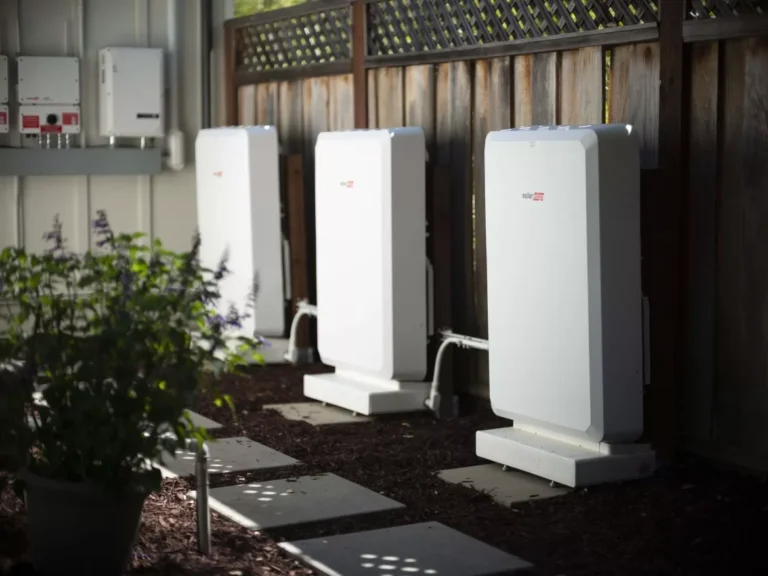
Battery storage does the same job automatically and captures a 3.6-cent spread here — wider than Manitoba’s 2.8 cents, narrower than nothing at all in a one-for-one province, where storage earns you no rate arbitrage whatsoever. Worth pricing rather than assuming.
Explore More Solar Resources
28 installs in Saint John · 183 across New Brunswick · 534 nationwide
Completed Xolar installations — each dot represents a city where we've installed solar.
Areas We Serve in Saint John
Professional solar panel installation available in these Saint John neighborhoods and communities:
What Saint John homeowners say


Swipe for more reviews →
"There were some delays with the project, but we felt they were understandable and not unreasonable delays. Xolar representatives were fairly good at responding to our inquiries throughout the (long) process from initial sign-up, through the funding application process, and then the installation and activation process. The installation process was performed respectfully and efficiently on our property.Considering how many moving parts there were to this process, and how many various organizations were involved (federal government, provincial government, municipal electricity, energy audit organization, etc.) that Xolar needed to work with, we are overall very satisfied with the experience."


"Dylan was very helpful in explaining the system with all its components. He is knowledgeable and explains very well to someone who is new toSolar energy. Very Satisfied so far!Dale Whitty"

"Amazing customer service! Very friendly and knowledgeable!"

"Great information. Very knowledgeable and easy to understand the process"

"Working with Xolar was straightforward and simple. They took care of all the details, assisted me with government programs and responded to questions promptly. I’m particularly pleased with Lauren who was always available to me when I needed anything at all!"

Saint John solar questions
How is Saint John Energy different from NB Power for solar?
Saint John Energy is a municipal utility separate from NB Power.
For net metering, SJE credits excess solar generation at approximately 8.15¢/kWh (90% of avoided cost) – well below the ~11.76¢/kWh retail rate.
Unlike NB Power’s 1:1 credit system, this means surplus export is valued well below what you pay for grid power, so oversizing your system provides poor returns.
Size your system to match your usage.
How much does solar cost in Saint John?
A 10 kW system in Saint John costs $27,200-$29,500.
After any applicable THESP rebate ($200/kW, up to $3,000 – note: registration closed May 27, 2026), net cost would be reduced accordingly.
NBTA Credit Union offers financing at prime + 1%.
What solar rebates are available in Saint John?
NB’s Total Home Energy Savings Program (THESP) provided $200/kW up to $3,000 for residential solar, available to all NB residents including Saint John.
Registration closed May 27, 2026 – no new applicants are being accepted.
Both federal Greener Homes programs are now closed.
What is the payback period for solar in Saint John?
With rates at approximately 11.76¢/kWh, payback in Saint John is 9-13 years.
Because Saint John Energy credits excess generation at only ~8.15¢/kWh (well below retail), sizing your system accurately to your consumption is especially important for maximizing ROI.
Why does Saint John Energy credit solar exports at a lower rate than NB Power?
Because it uses a different basis.
NB Power credits excess solar one-for-one at the full retail rate, currently 15.39 cents per kilowatt-hour.
Saint John Energy credits at approximately 8.15 cents, calculated as 90 per cent of avoided cost rather than at retail.
The trade-off is that Saint John Energy’s retail rate is lower too — about 11.76 cents against NB Power’s 15.39 — so a Saint John household pays less for electricity and is credited less for exporting it.
The practical effect for solar is that self-consumption is worth about 44 per cent more than export here, which makes sizing to your own usage and shifting load into daylight more valuable than elsewhere in the province.
How big should a Saint John solar system be?
Sized to your own consumption rather than to your roof, and more strictly here than in most places.
Because exports earn approximately 8.15 cents while self-consumed generation saves you about 11.76 cents, capacity beyond your annual usage is monetised at roughly two-thirds of its potential value for the life of the system.
Take twelve months of bills, total the kilowatt-hours, and work backwards from Saint John’s 1,133 kWh per kW.
If the roof still has room after that, shifting load into daylight or pricing a battery will do more for your return than additional panels that mostly export.
Get your free Saint John solar quote
A personalized proposal in 24 hours — system size, real pricing, and every rebate you qualify for. No pressure, no obligation.
Takes about a minute — no pressure, no obligation.
Solar system packages
All include install, permits & 25-yr warrantyMost popular choice for average Canadian homes
Solar installation across New Brunswick
We serve homeowners province-wide. View all New Brunswick service areas →