Solar panels in Kamloops, British Columbia
The best sun of any BC Hydro city — and it still takes 8 to 12 years.
Kamloops is modelled at 1,250 kWh per kW a year — the highest of any BC Hydro–served city on this site and roughly 25 per cent above coastal Vancouver. Payback runs 8 to 12 years, the shortest band in the province, on an 8 kW system saving about $2,050. The semi–arid interior climate is doing the work: hot, dry summers and far less cloud than the coast.

Updated
Get Your Free Solar Quote
Custom solar solutions for Kamloops, BC
Prefer to discuss your project first? Contact us or view our detailed quote form
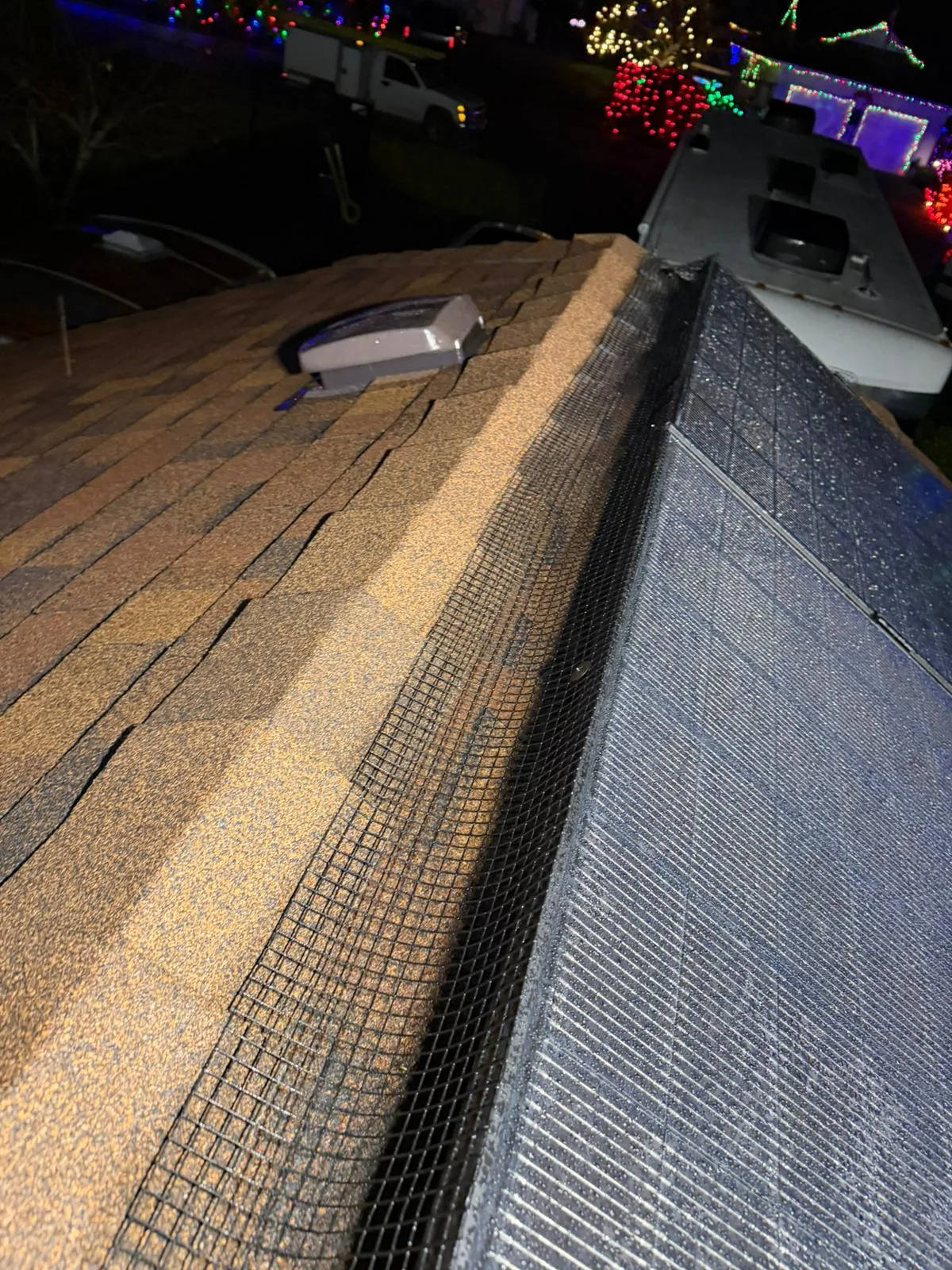
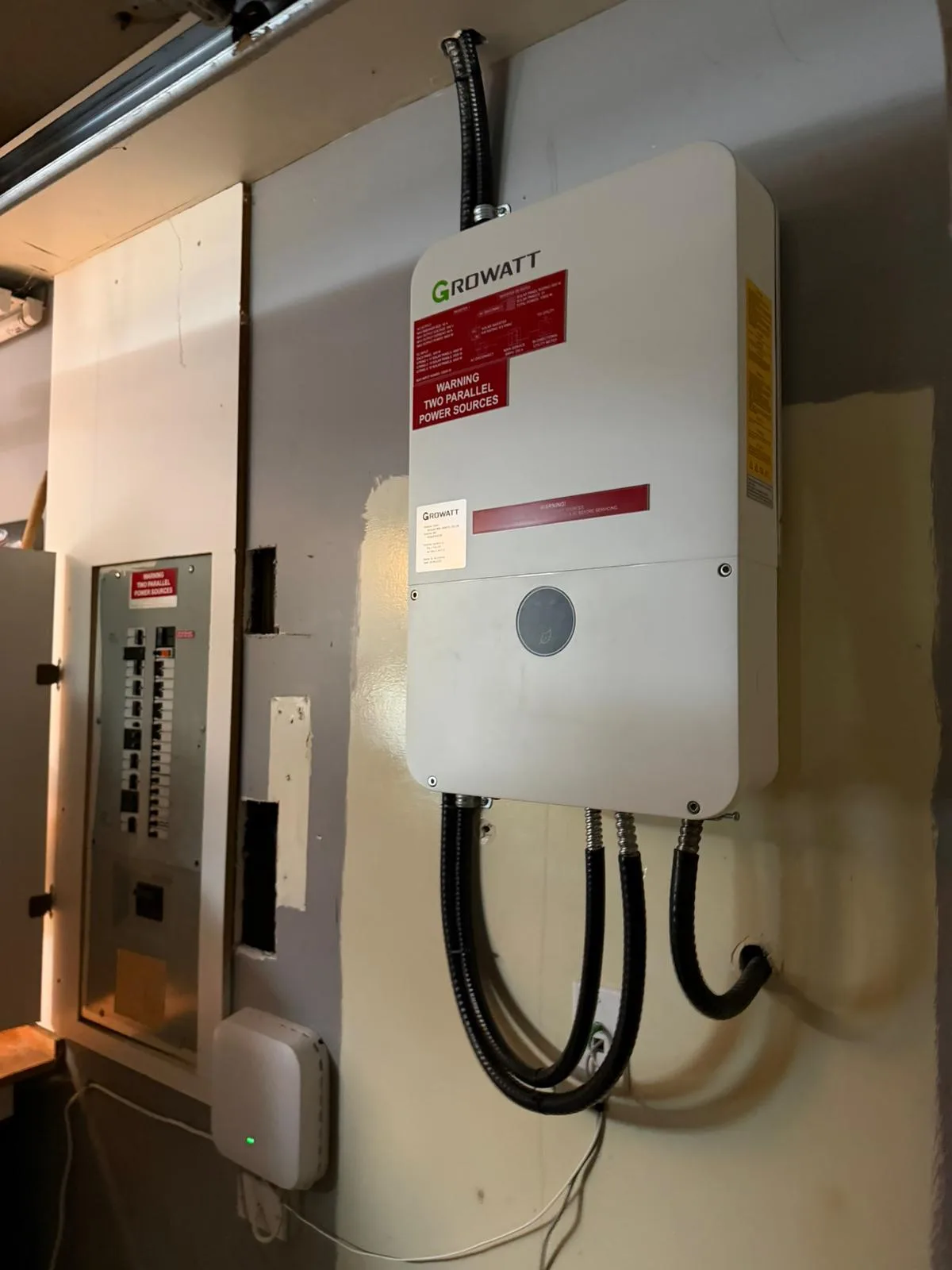
Victoria — 14 kW rooftop
Completed January 2026
Real Xolar installs near Kamloops
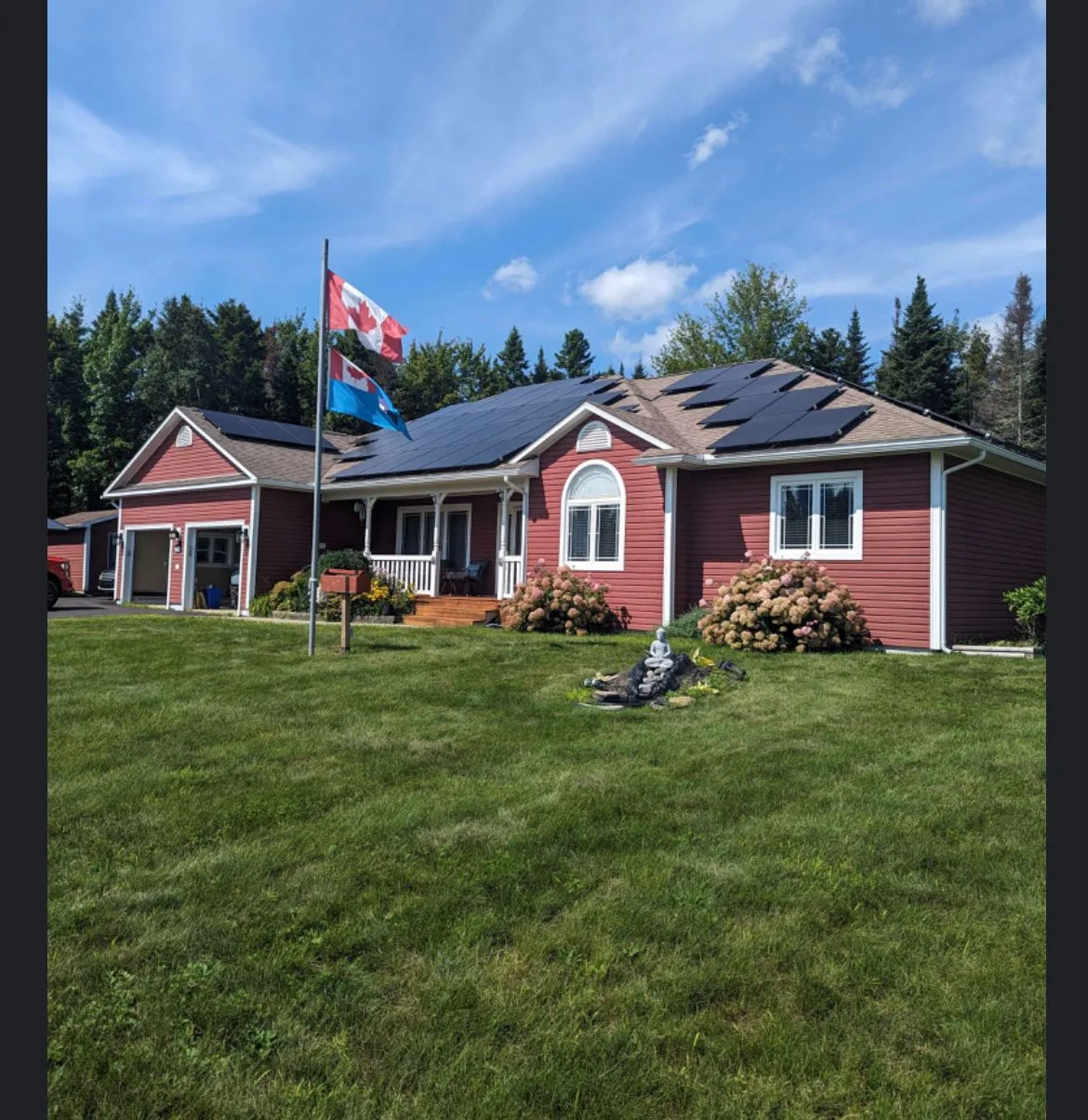
We haven't published a Kamloops install yet. These are completed systems in nearby British Columbia communities, under the same provincial rebate and net-metering rules.
Swipe for more installs →
Kamloops energy & net metering
What BC Hydro charges here, and how surplus solar is credited in British Columbia.
BC Hydro’s current residential rates are 11.87¢/kWh (Step 1) and 14.08¢/kWh (Step 2), with rate increases of 3.75% in both 2025 and 2026. Solar locks in your energy costs as grid rates continue rising.
How your system works behind the meter
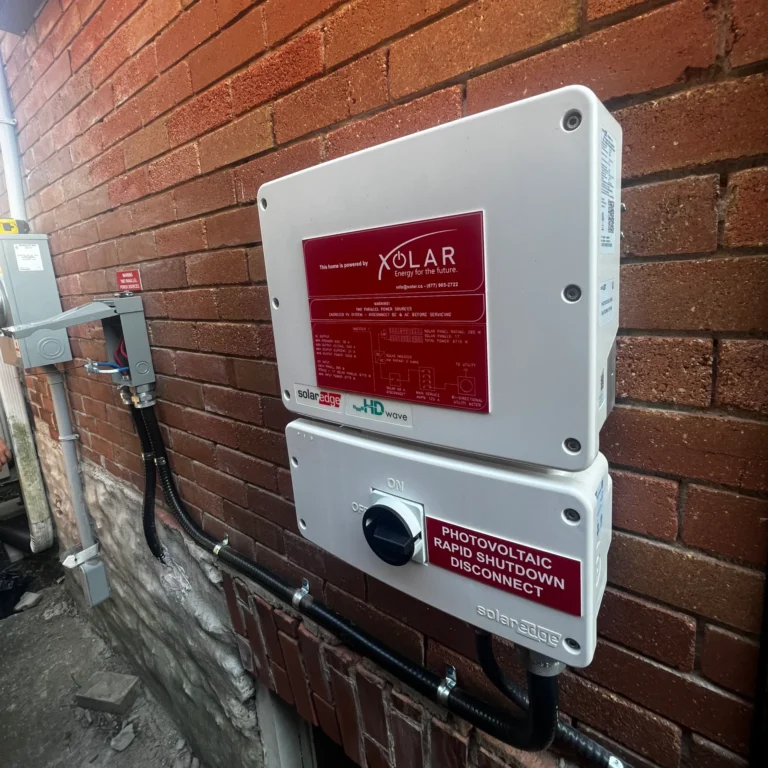
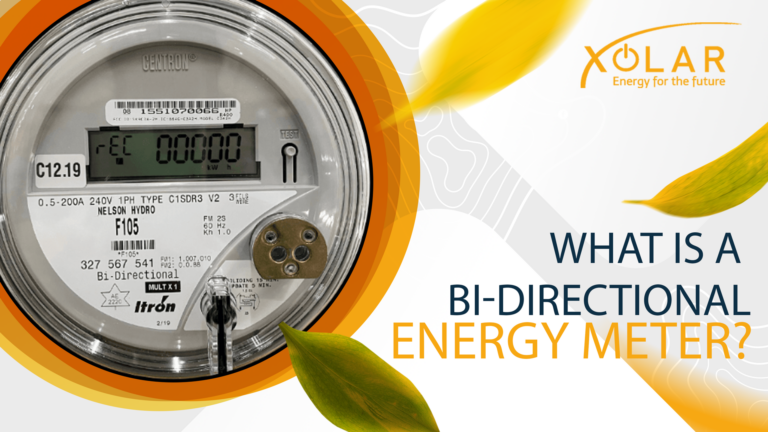
Most of a Kamloops system's value comes from power used behind the meter — electricity your panels make and your home uses on the spot, offsetting energy you'd otherwise buy at 11.87¢/kWh. Only the surplus flows past the meter to BC Hydro for net-metering credit.
Rebates & incentives in Kamloops
Every active local, provincial, federal and Xolar program a Kamloops homeowner can stack.
- Up to $5,000BC Hydro Solar Rebate
- Up to $1,500 with solar ($5,000 only for Peak Saver-eligible batteries)BC Hydro Battery Rebate
- 7% PST exemptionPST Exemption
- Up to $1625Fall 2026 Sale – Battery
- Up to $2550Fall 2026 Sale – Solar
- Up to $475Fall 2026 Sale – Heat Pump
Solar Panels in Kamloops, BC
Kamloops rivals Alberta for sunshine with 1,250 kWh/kW production – the highest of any BC Hydro-served city. The Thompson Valley’s semi-arid climate creates excellent solar conditions year-round. BC Hydro rebates ($5,000 for solar; battery rebate up to $1,500 without Peak Saver, or up to $5,000 with Peak Saver) and PST exemption apply. Combined with interior sunshine, Kamloops offers some of the best solar ROI in British Columbia.
Beginning June 1, 2026, installations must be completed by an HPCN member to qualify for rebates.
Note: The federal Canada Greener Homes Grant and Loan programs are now closed.
What BC Hydro's Export Rate Change Means in Kamloops
Until 1 July 2026 a Kamloops homeowner faced a genuine decision: take BC Hydro’s solar rebate, or stay on 1:1 net metering and bank every exported kilowatt-hour at full retail value. That decision no longer exists. Following a BC Utilities Commission ruling, BC Hydro closed the net metering rate (Rate Schedule 1289) to new customers on 1 July 2026.
New systems go on Rate Schedule 2289 instead. BC Hydro buys your excess generation at a fixed 10 cents per kWh, and — a real improvement on the old arrangement — pays you every billing cycle rather than banking credits until a yearly reconciliation. Because retail electricity in Kamloops costs more than 10 cents, a kilowatt-hour you use yourself is now worth more than one you export. That makes the shape of your daily consumption matter in a way it did not before: running the dishwasher at noon rather than at midnight is now worth something.
Take the rebate. Declining it no longer preserves 1:1 net metering, because that rate is closed to new customers regardless. BC Hydro’s own position is that the solar rebate is expected to fully offset the impact of the rate change for an average residential customer. One distinction worth knowing: if you accept only the battery rebate and no solar rebate, your service rate is unaffected. BC Hydro also does not permit a pro-rated or combined arrangement across the two rates — it is one or the other.
Kamloops Out-Produces Every Other BC Hydro City by a Wide Margin
Kamloops is modelled at 1,250 kWh per kW a year. Among the sixteen BC Hydro-served cities on this site, nothing else comes close: Victoria, the best on the coast, is 1,040, Vancouver is 1,010, Surrey and Courtenay are 1,000, and North Vancouver is 960.
That is a gap of about 25 per cent against Vancouver and 30 per cent against North Vancouver. Put concretely, an 8 kW system in Kamloops produces roughly what a 10 kW system produces on the Lower Mainland — the same annual output from two fewer kilowatts of equipment, which is a real saving on installed cost as well as roof area.
The reason is the semi-arid interior climate. Kamloops sits in a rain shadow with hot, dry summers and far less of the marine cloud that sits over the coast for much of the year. It is closer in solar terms to southern Alberta than to Vancouver, and its figure is within a few per cent of Calgary’s.
The consequence for a homeowner here is that the roof constraint binds less tightly. A modest, partly obstructed or awkwardly oriented roof that would struggle to justify itself in Burnaby can still support a worthwhile system in Kamloops, because each square metre works harder. Households with limited south-facing area have more room to compromise on orientation and still land on a sensible result.
What the sunshine does not do is make the payback short by national standards. At 8 to 12 years Kamloops is the quickest in British Columbia, but that is still slower than most of Ontario — and the reason is not the sun, it is what the province pays for the power you generate.
Why Excellent Sun Still Gives You a Longer Payback Than Ontario
Kamloops produces more per kilowatt installed than every city we serve in Ontario — 1,250 kWh per kW against 1,210 for Chatham-Kent, Ontario’s best. And yet the payback here is 8 to 12 years while Chatham-Kent’s is 7 to 10. The gap is not weather, and it is not the rebate.
BC Hydro pays $1,000 per kW for solar, up to $5,000, which is the same solar maximum as Ontario’s Home Renovation Savings Program. For a battery, BC Hydro adds up to $1,500 when it is installed with solar, or up to $5,000 if the battery is enrolled in Peak Saver, against up to $5,000 in Ontario for a battery installed with new solar. Tesla products are not eligible for BC Hydro’s rebates. On a solar-only system, the two provinces’ rebates are the same.
What does differ is what your generation is worth. Ontario credits exports at the full retail rate under net metering, and its on-peak rate is 20.3 cents. In British Columbia, BC Hydro closed its 1:1 net metering rate to new customers on 1 July 2026 following a BC Utilities Commission decision; new self-generation customers take Rate Schedule 2289, under which exports are bought at a fixed 10 cents per kilowatt-hour and credited on each bill, with any leftover credit paid out each April 30. You buy power back at 11.87 cents on Step 1 and 14.08 on Step 2.
So an exported kilowatt-hour in Kamloops is worth 10 cents, while the same kilowatt-hour consumed at home saves you 11.87 or 14.08. That asymmetry is the single most important design fact in British Columbia now, and it points at one conclusion: size the system against your own twelve-month consumption rather than against the roof, because in Kamloops the roof will almost always allow more than the arithmetic justifies.
Explore More Solar Resources
Showing British Columbia — 11 installs · 549 nationwide
Completed Xolar installations — each dot represents a city where we've installed solar.
Areas We Serve in Kamloops
Professional solar panel installation available in these Kamloops neighborhoods and communities:
What Kamloops homeowners say
Swipe for more reviews →
"The presentation by Dan was very informative and knowledgable presentation. When asked about adding an E.V. charging to our home the presentation was changed to include extra solar panels and he asked about other items that we may add to the house that uses even more electrical power. Dan had answers to questions readily available with details."

"Great phone call, lots of information and details regarding my home and solar panels. The web site made the information more understandable."

"Knowledgeable, friendly and no pressure explanation of the quotation and components."

Kamloops solar questions
How much solar does Kamloops produce?
1,250 kWh/kW annually – the highest of any BC Hydro-served city and comparable to Calgary.
Kamloops’ semi-arid climate means consistent production.
What is the payback for solar in Kamloops?
8-12 years in the interior, thanks to high production and BC Hydro rebates.
Significantly better than coastal BC.
Does Kamloops really get more sun than Vancouver?
Considerably more.
Kamloops is modelled at 1,250 kWh per kW a year against Vancouver’s 1,010 — about 25 per cent more output from the same equipment, and the highest figure of any BC Hydro-served city on this site.
The reason is the semi-arid interior climate: Kamloops sits in a rain shadow with hot, dry summers and far less of the marine cloud that covers the coast.
In practical terms an 8 kW system here produces roughly what a 10 kW system produces on the Lower Mainland, so you need less equipment and less roof for the same result.
What changed with BC Hydro net metering in July 2026?
BC Hydro closed its 1:1 net metering rate, Rate Schedule 1289, to new customers on 1 July 2026 after a BC Utilities Commission decision.
New self-generation customers go onto Rate Schedule 2289, under which BC Hydro buys excess generation at a fixed 10 cents per kilowatt-hour and credits your bill each billing cycle, paying out any leftover credit each April 30.
Since you buy power back at 11.87 cents on Step 1 and 14.08 on Step 2, generation you use yourself is now worth more than generation you export.
The practical effect is on sizing: build to your own twelve-month consumption rather than to available roof area.
I already have net metering. Do I lose it?
Not immediately.
BC Hydro states that customers already on Rate Schedule 1289 remain on it until ten years have passed from their initial net metering service start date, after which they transfer automatically to the new self-generation rate, RS 2289.
The one exception is customers who received BC Hydro’s solar rebate — BC Hydro states those were transitioned to RS 2289 as of 1 July 2026.
So the date that matters is when your net metering service began, not when the rule changed.
If you are unsure which rate you are on or when your ten years run out, it is worth confirming with BC Hydro directly before making decisions about adding panels or storage.
Are there solar rebates in British Columbia?
Yes.
BC Hydro pays $1,000 per kW for solar, up to $5,000 (capped at 50% of installed cost), the same solar maximum as Ontario’s Home Renovation Savings Program.
For a battery, BC Hydro adds up to $1,500 when it is installed with solar, or up to $5,000 if the battery is enrolled in Peak Saver; Ontario pays up to $5,000 for a battery installed with new solar.
Tesla products are not eligible for BC Hydro’s rebates.
Because the solar rebate matches Ontario’s, it is not the reason a city with the best sun in BC Hydro’s territory still quotes a payback of 8 to 12 years, longer than Ontario cities that produce less.
The bigger factor is that power you export now earns a fixed 10 cents per kWh from BC Hydro, less than the 11.87 to 14.08 cents you pay for power, so payback depends on how much of your own production you use.
One thing to know about BC Hydro’s own solar rebate: customers who received it were moved to the new self-generation export rate on 1 July 2026 rather than keeping 1:1 net metering, so it carried a consequence beyond its cash value.
Get your free Kamloops solar quote
A personalized proposal in 24 hours — system size, real pricing, and every rebate you qualify for. No pressure, no obligation.

Takes about a minute — no pressure, no obligation.
Solar system packages
All include install, permits & 25-yr warrantyMost popular choice for average Canadian homes
Solar installation across British Columbia
We serve homeowners province-wide. View all British Columbia service areas → Outside British Columbia? Find a solar installer near you →