Solar panels in Cochrane, Alberta
Forty minutes from Canmore, with better sun and none of the funding.
Cochrane is modelled at 1,280 kWh per kW a year — nearly seven per cent more sun than Canmore up the valley — with an average saving of about $2,050 and a payback of 8 to 12 years. The difference worth knowing before you budget is the money: Canmore has a $1,250 local rebate and municipal financing, and Cochrane appears on neither list.
 4.6 · 780+ reviews

Get Your Free Solar Quote
Custom solar solutions for Cochrane, AB
Prefer to discuss your project first?Contact usor view ourdetailed quote form
Real Xolar installs near Cochrane
We haven't published a Cochrane install yet. These are completed systems in nearby Alberta communities, under the same provincial rebate and net-metering rules.
Swipe for more installs →
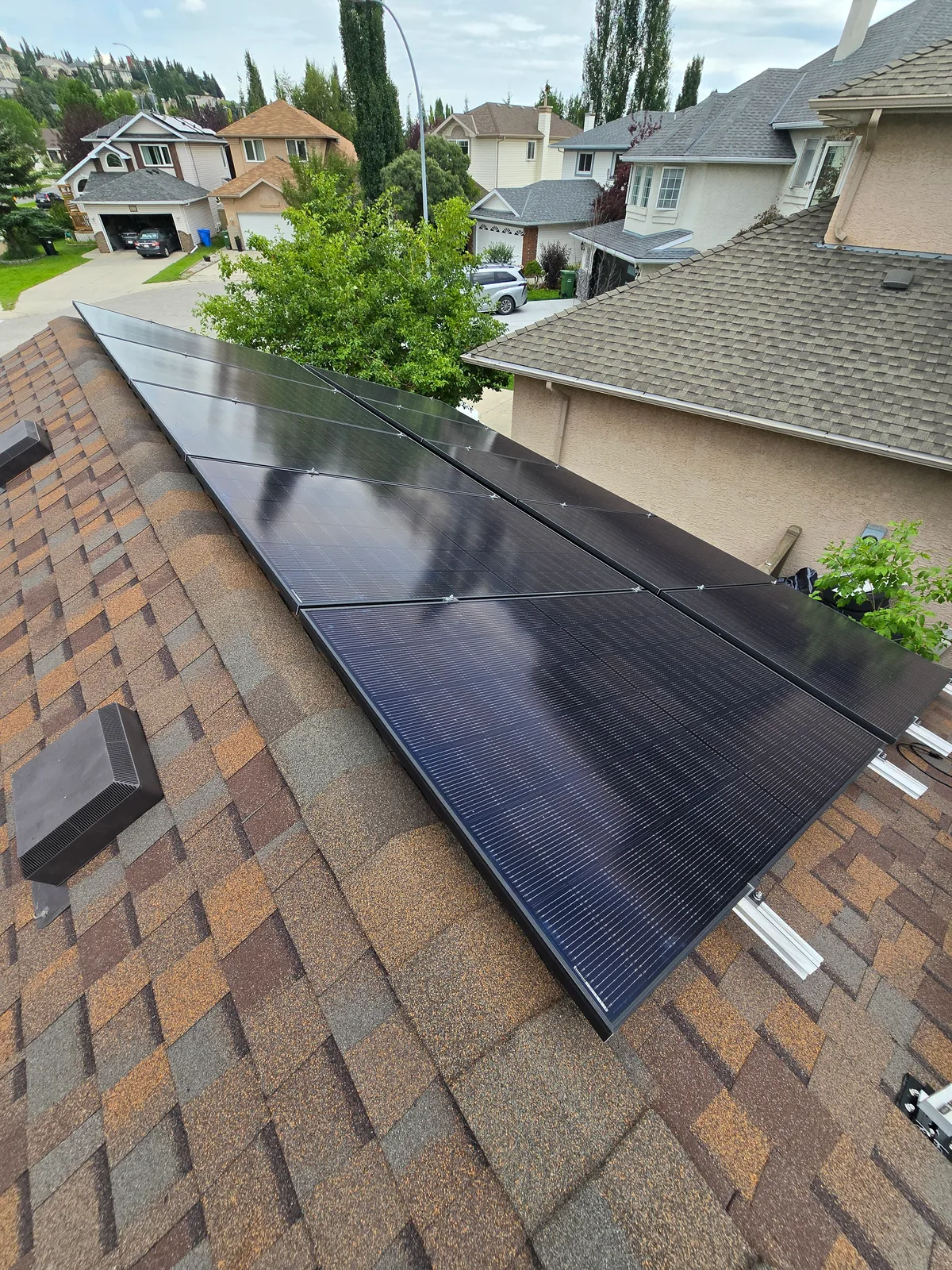
Calgary — 13.5 kW rooftop
South-facing asphalt shingle · completed January 2026 · 98 progress photos on file
Cochrane energy & net metering
What FortisAlberta (distribution) charges here, and how surplus solar is credited in Alberta.
Alberta’s Rate of Last Resort is 12.01–12.06¢/kWh, fixed through December 2026. Cochrane’s growing population and proximity to Calgary make it a prime solar market.
How your system works behind the meter
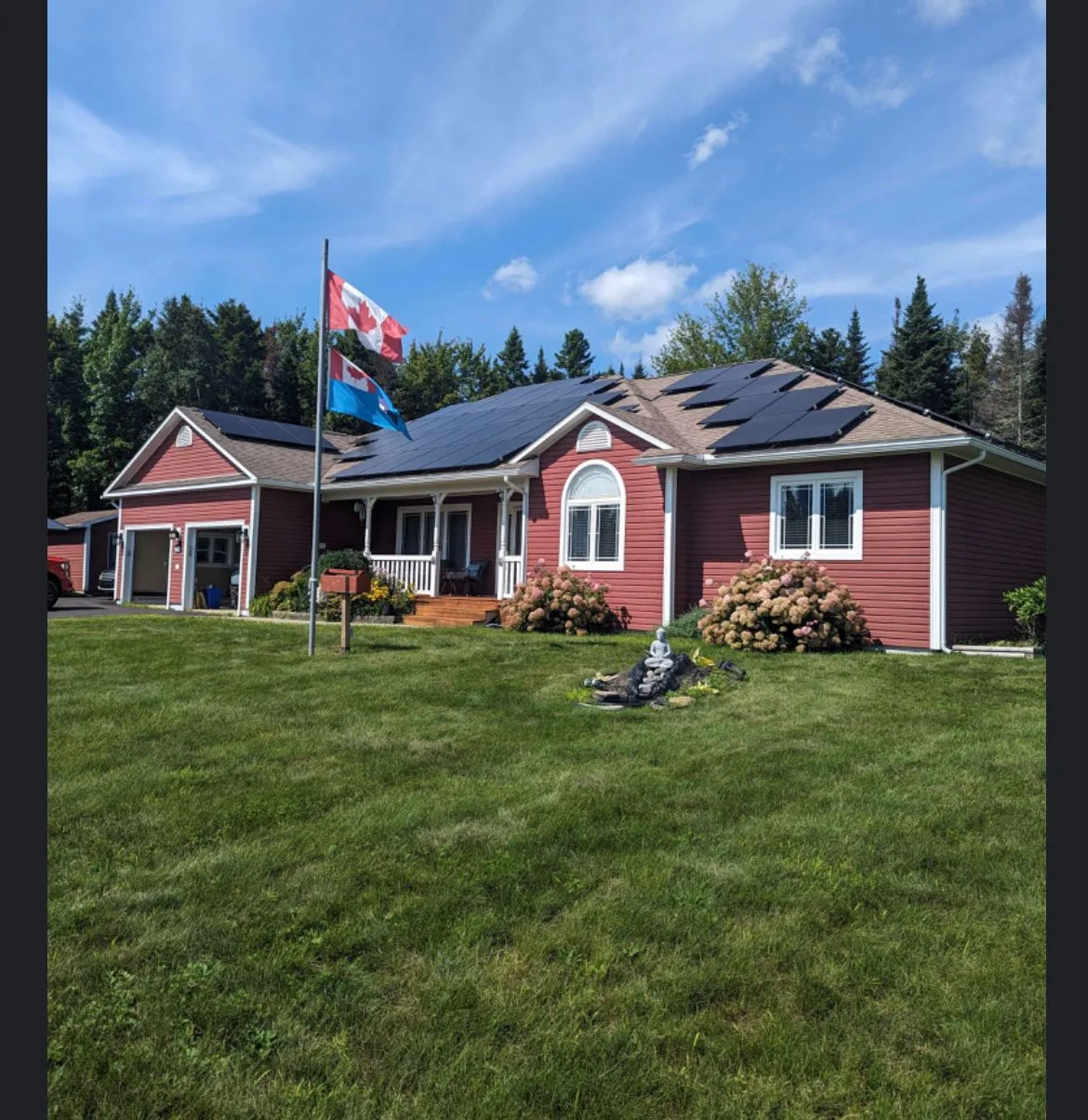
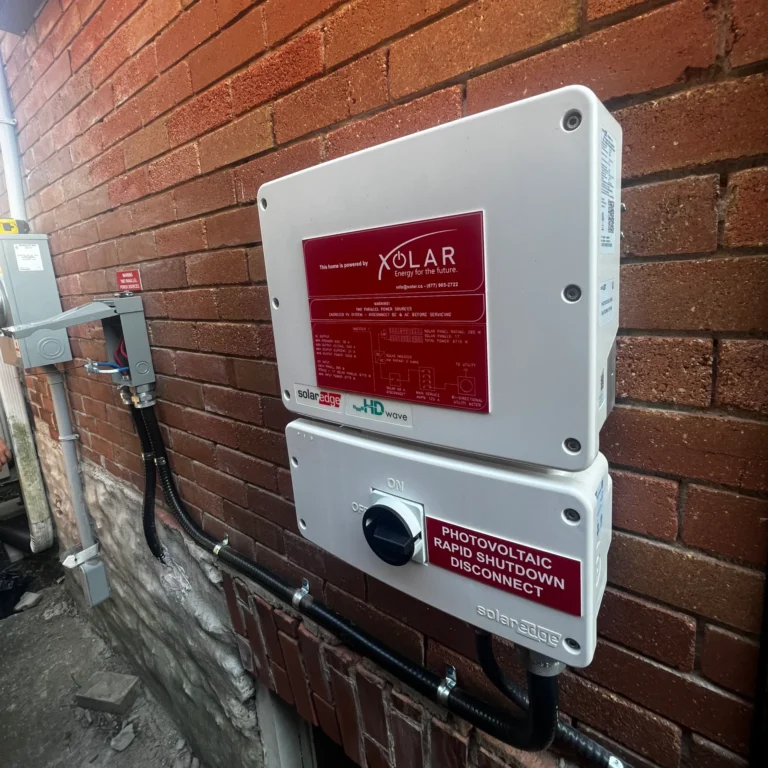
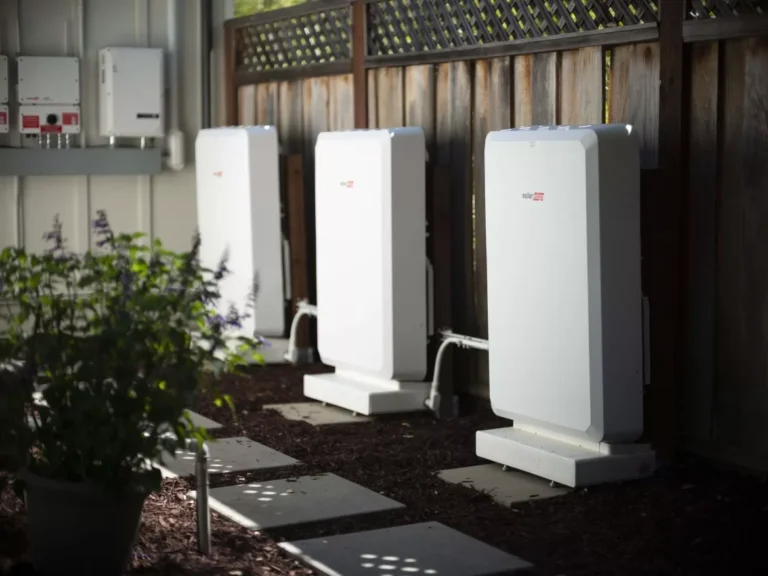
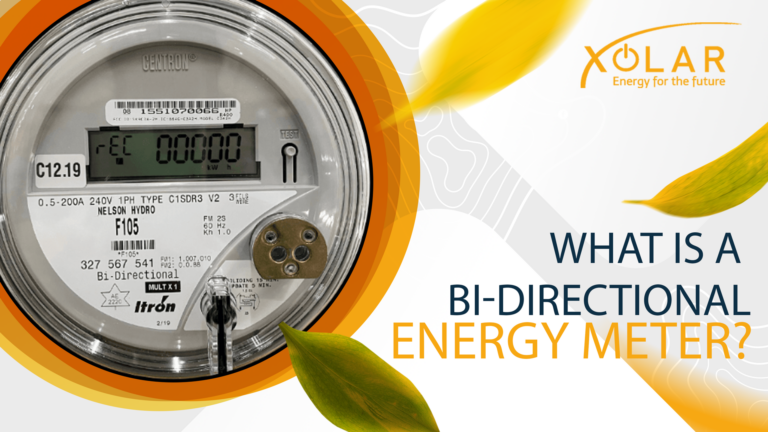
Most of a Cochrane system's value comes from power used behind the meter — electricity your panels make and your home uses on the spot, offsetting energy you'd otherwise buy at 12.1¢/kWh. Only the surplus flows past the meter to FortisAlberta (distribution) for net-metering credit.
Rebates & incentives in Cochrane
Every active local, provincial, federal and Xolar program a Cochrane homeowner can stack.
- See detailsSolar Club
- Up to 30% of eligible costsClean Technology Investment Tax Credit (Commercial ITC)
Solar Panels in Cochrane
Cochrane, at the gateway to the Rockies, benefits from Calgary-area sunshine with production of 1,280 kWh/kW. The town’s growing population and proximity to Calgary make it a prime solar market. Alberta’s full micro-generation benefits apply – retail-rate credits with no interconnection fees.
Better Sun Than Canmore, and None of the Support
Cochrane and Canmore sit at either end of the same corridor, about forty minutes apart, and they make an instructive pair.
On sunshine, Cochrane wins clearly. It is modelled at 1,280 kWh per kW a year against Canmore’s 1,200 — nearly seven per cent more — because Canmore sits in mountain terrain that shortens the usable solar day on many properties while Cochrane is out on the foothills edge with open sky.
On money, the position reverses entirely. Canmore runs its own solar incentive worth $1,250 for a residential system and participates in Alberta’s Clean Energy Improvement Program, which finances the balance through a charge on the property. Cochrane appears on neither list. There is no local rebate here and no municipal financing route.
And because Alberta has no residential solar rebate at the provincial level either — unlike Ontario, which pays up to $10,000 — a Cochrane project is paid for with cash or with ordinary financing you arrange yourself.
We would rather say that plainly than let you find out after a quote. It does not make solar a bad idea in Cochrane: at 1,280 kWh per kW with a payback of 8 to 12 years, the underlying case is stronger than Canmore’s on production and comparable on return.
What it means is that the installed price and the financing rate are the two numbers to negotiate, because they are the only levers available. Ask for the cash price and the financed price separately, and treat a bundled financing offer with the scrutiny you would give a car loan.
Your Wires Company and Your Energy Company Are Different Businesses
Alberta’s deregulated market is the thing most likely to make an out-of-province comparison misleading, so it is worth settling first.
FortisAlberta owns the distribution wires reaching your Cochrane home and handles your solar interconnection. It does not sell you electricity. That comes from a retailer you choose — ENMAX, ATCO Energy, Direct Energy and others compete for the business — so your bill has regulated distribution charges on one side and a contracted energy rate on the other.
Under Alberta’s Micro-Generation Regulation you earn credits at the full retail rate for exported electricity, with no interconnection fees, and the regulation permits systems far beyond residential scale. The phrase that matters is “full retail rate”, because in a deregulated market that means your retailer’s rate rather than a provincial tariff. Two Cochrane households with identical systems can be credited differently because they signed different contracts.
The Rate of Last Resort quoted on this page, about 12.06 cents per kilowatt-hour, applies to customers who have not chosen a retailer. Treat it as a planning figure.
This matters more in Cochrane than in a town with municipal financing, because with no rebate and no CEIP access here, the two variables you control are the installed price and the electricity contract your savings are measured against. Both are worth attention before you sign anything — and the second one you may be able to improve today, regardless of whether you go ahead with solar.
1,280 kWh per kW Puts Cochrane Ahead of Every City in Ontario
Cochrane is modelled at 1,280 kWh per kW a year, level with Edmonton and behind only Okotoks at 1,310 and Airdrie and Chestermere at 1,290 among the Alberta communities on this site.
Against the rest of the country that is a strong position. Chatham-Kent, the sunniest city we serve in Ontario, is 1,210 — so a Cochrane panel produces about six per cent more. The best in Atlantic Canada is Truro at 1,150, about eleven per cent behind. The British Columbia coast runs from 960 to 1,050, which Cochrane beats by a quarter or more.
What that buys is equipment efficiency rather than a fast payback. At 1,280 kWh per kW, a smaller array covers a given household consumption than would be needed in most of Canada — fewer panels, less roof, a smaller inverter, a lower installed cost. For a house with limited south-facing roof area, that headroom is genuinely useful.
The payback of 8 to 12 years reflects the other side of the ledger: Alberta electricity is cheap, at around 12.06 cents per kilowatt-hour on the Rate of Last Resort against up to 20.3 cents on-peak in Ontario. Cheap power means each generated kilowatt-hour is worth less, so excellent sun and inexpensive electricity land in much the same place as moderate sun and expensive electricity.
Alberta is a cheap place to build solar rather than a lucrative place to own it — and in Cochrane, with no rebate and no municipal financing, the build cost is the number that decides your outcome.
Explore More Solar Resources
Showing Alberta — 35 installs · 534 nationwide
Completed Xolar installations — each dot represents a city where we've installed solar.
Areas We Serve in Cochrane
Professional solar panel installation available in these Cochrane neighborhoods and communities:
What Cochrane homeowners say


Swipe for more reviews →
"Got completed after a lengthy process and hurdles. Have the services been completed earlier and less hassle, I would have given 5 stars."

"Ross was very informative and really explained everything clearly, answered any questions I had and really knows his stuff, I highly recommend their services"

"The Xolar solar advisor, Ross, was knowledgeable, well prepared for our meeting and patient. The report complete with quote and technical information was well explained. Thank you!Michel Diotte"

"All explanations well detailed."

"I have had a great experience with Chris . He has helped me with all my issues and questions. I would highly recommend this company to anyone."

"very professional and knowledgeable person. very easy and straight forward system and nicely explained took his time to make sure client understands everything definitely recommend this company if anyone like to go solar"

Cochrane solar questions
Is Cochrane good for solar?
Yes.
Cochrane produces 1,280 kWh/kW – comparable to Calgary.
Alberta’s micro-generation program provides retail-rate credits with no interconnection fees.
Is there a solar rebate or municipal financing in Cochrane?
Not that we can find.
Alberta has no residential solar rebate at the provincial level, unlike Ontario which pays up to $10,000 for solar and battery storage together.
And Cochrane does not appear among the municipalities participating in the Clean Energy Improvement Program, which covers Calgary, Edmonton, Airdrie, Canmore, Okotoks, St.
Albert, Leduc, Lethbridge and Grande Prairie.
So a Cochrane project is paid for with cash or with financing you arrange privately.
Nearby Canmore has both a $1,250 local rebate and CEIP, which is worth knowing if you are comparing notes with someone up the valley — you are not comparing like with like.
Who distributes electricity in Cochrane?
FortisAlberta owns and operates the wires and handles your solar interconnection, but it does not sell you energy.
Alberta’s market is deregulated, so you choose a retailer separately — ENMAX, ATCO Energy, Direct Energy and others — and your bill carries regulated distribution charges plus a contracted energy rate.
Under the Micro-Generation Regulation you earn credits at the full retail rate for exports with no interconnection fees, but that rate is your retailer’s rather than a provincial one, so two Cochrane homes with identical systems can be credited differently.
The Rate of Last Resort of about 12.06 cents per kilowatt-hour quoted here applies only if you have not chosen a retailer.
Does Cochrane get more sun than Canmore?
Yes, and by a clear margin.
Cochrane is modelled at 1,280 kWh per kW a year against Canmore’s 1,200 — nearly seven per cent more — because Canmore sits in mountain terrain that shortens the usable solar day on many properties, while Cochrane is out on the foothills edge with open sky.
The reverse is true on funding: Canmore has a $1,250 local solar rebate and municipal financing through CEIP, and Cochrane has neither.
So a Canmore project produces less and is better supported, while a Cochrane project produces more and is paid for entirely by the owner.
How big a system should a Cochrane home have?
Start from twelve months of your own bills rather than from roof area.
At 1,280 kWh per kW a year, every kilowatt you install produces around 1,280 kilowatt-hours annually, so working backwards from your consumption gives you the capacity you actually need — and Alberta’s strong sun means that is less capacity than the same household would need almost anywhere else in the country.
Because Alberta credits exports at your retailer’s rate rather than a fixed tariff, production you use directly is the part whose value you can be certain of.
And with no rebate and no municipal financing in Cochrane, oversizing is paid for entirely out of your own pocket.
Why is Cochrane's payback no better than towns with less sun?
Because payback depends on the price of what you replace, not only on how much you produce.
Cochrane’s 1,280 kWh per kW a year beats every city we serve in Ontario, where Chatham-Kent tops out at 1,210 — but Alberta electricity costs around 12.06 cents per kilowatt-hour on the Rate of Last Resort against up to 20.3 cents on-peak in Ontario.
Cheap power means each generated kilowatt-hour is worth less, so strong sun and inexpensive electricity land close to moderate sun and expensive electricity.
What Alberta’s sunshine does buy is a smaller system for the same result — fewer panels, less roof, lower installed cost — which matters here, because with no rebate and no municipal financing in Cochrane, the build cost is what you are negotiating.
Get your free Cochrane solar quote
A personalized proposal in 24 hours — system size, real pricing, and every rebate you qualify for. No pressure, no obligation.
Takes about a minute — no pressure, no obligation.
Solar system packages
All include install, permits & 25-yr warrantyMost popular choice for average Canadian homes
Solar installation across Alberta
We serve homeowners province-wide. View all Alberta service areas →