Solar panels in Prince George, British Columbia
Further north than Vancouver, and it produces about nine per cent more.
Prince George is modelled at 1,100 kWh per kW a year — about nine per cent more than Vancouver, despite sitting several degrees further north. Interior dryness beats coastal latitude, which is the opposite of what most people assume. Payback runs 10 to 13 years on an 8 kW system saving about $1,950.


Updated
Get Your Free Solar Quote
Custom solar solutions for Prince George, BC
Prefer to discuss your project first? Contact us or view our detailed quote form
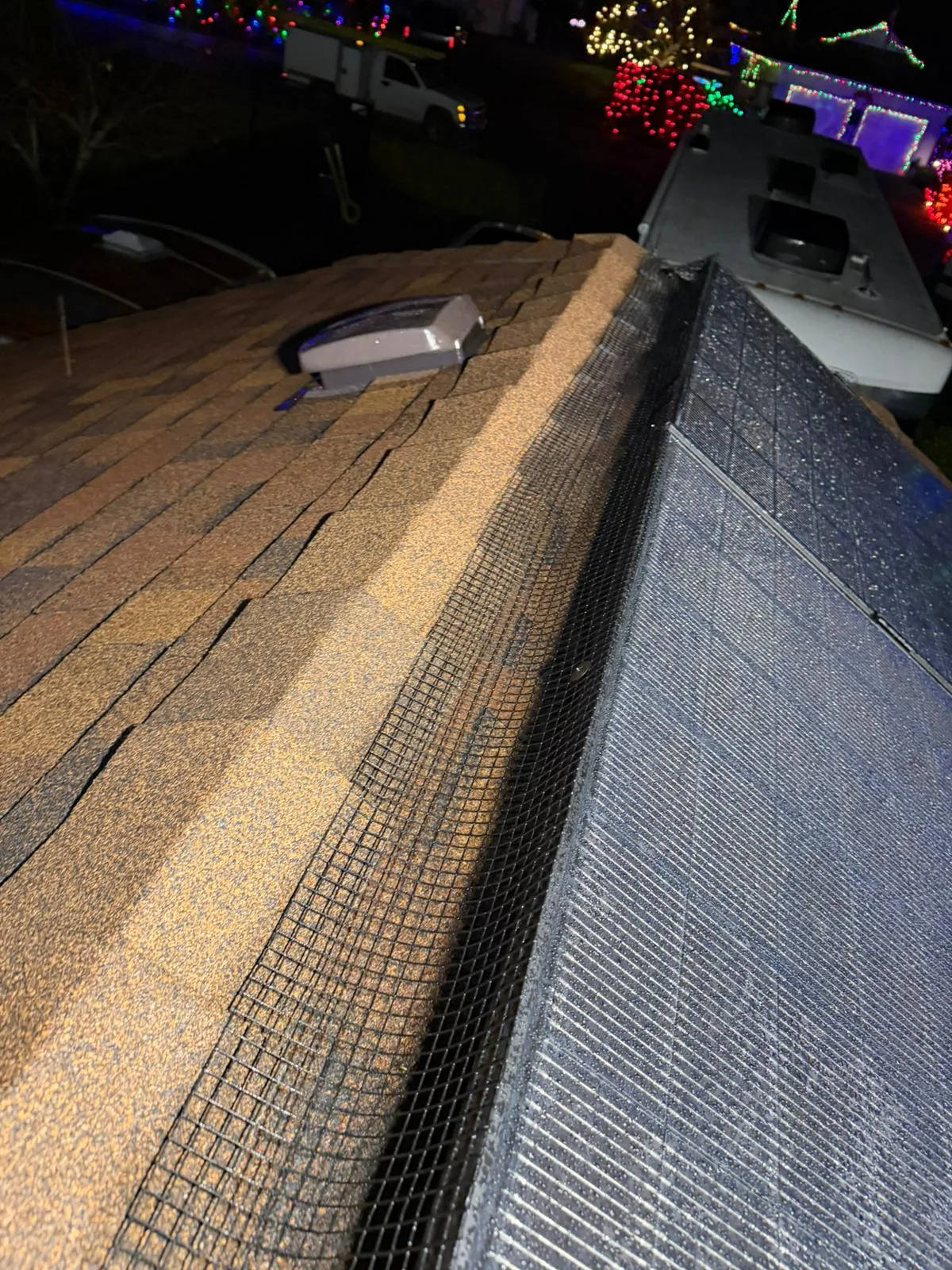
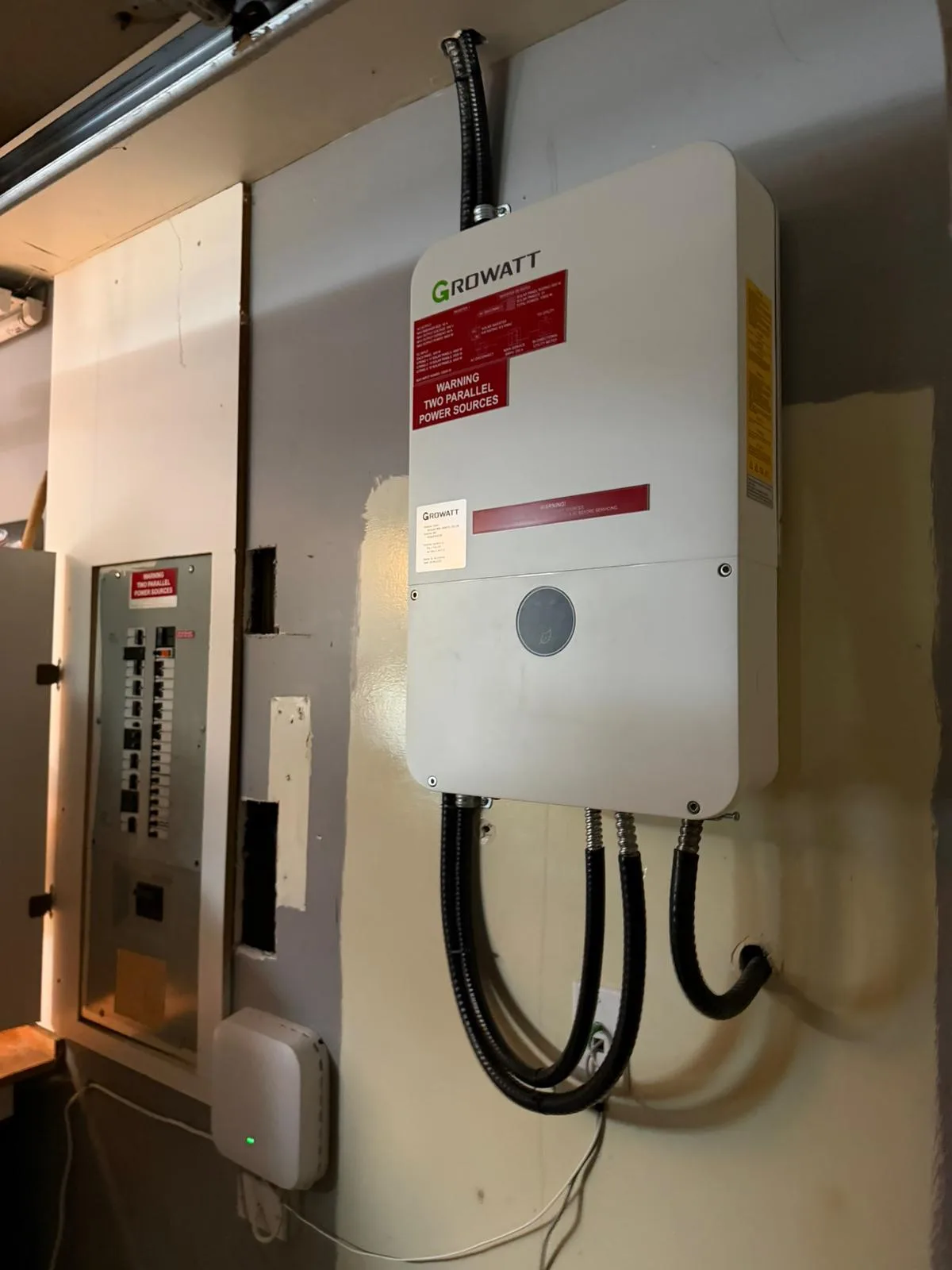
Victoria — 14 kW rooftop
Completed January 2026
Xolar installs across British Columbia
11 completed Xolar systems across British Columbia. Prince George is in our service area — yours could be the first one we publish here.
Prince George energy & net metering
What BC Hydro charges here, and how surplus solar is credited in British Columbia.
BC Hydro’s current residential rates are 11.87¢/kWh (Step 1) and 14.08¢/kWh (Step 2), with rate increases of 3.75% in both 2025 and 2026. Solar locks in your energy costs as grid rates continue rising.
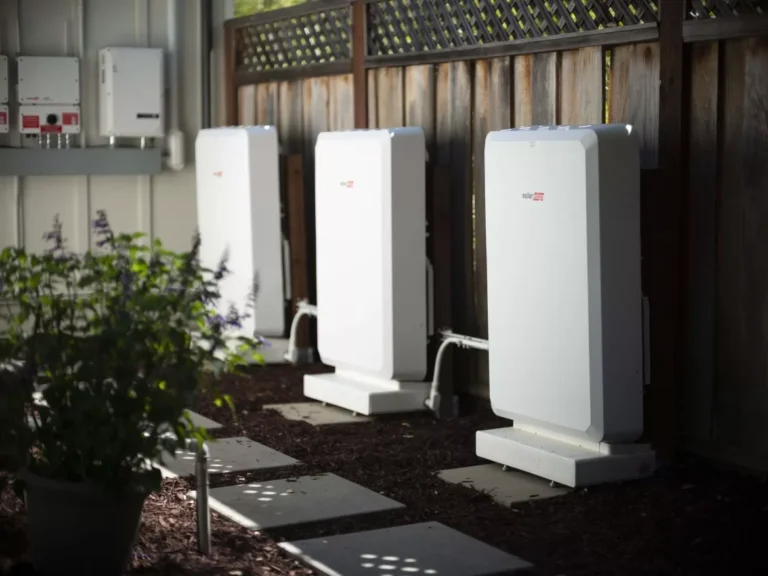
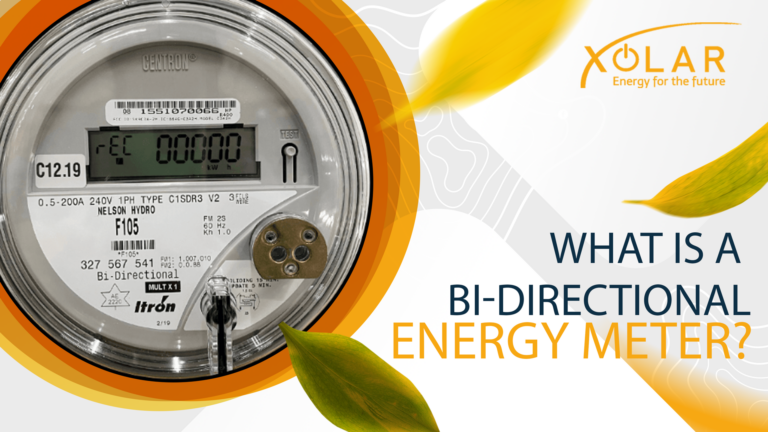
How your system works behind the meter
Most of a Prince George system's value comes from power used behind the meter — electricity your panels make and your home uses on the spot, offsetting energy you'd otherwise buy at 11.87¢/kWh. Only the surplus flows past the meter to BC Hydro for net-metering credit.
Rebates & incentives in Prince George
Every active local, provincial, federal and Xolar program a Prince George homeowner can stack.
- Up to $5,000BC Hydro Solar Rebate
- Up to $1,500 with solar ($5,000 only for Peak Saver-eligible batteries)BC Hydro Battery Rebate
- 7% PST exemptionPST Exemption
- Up to $1625Fall 2026 Sale – Battery
- Up to $2550Fall 2026 Sale – Solar
- Up to $475Fall 2026 Sale – Heat Pump
Solar Panels in Prince George, BC
Prince George has better solar production (1,100 kWh/kW) than most coastal cities despite being further north – the interior’s drier climate more than compensates. Long summer days (17+ hours in June) boost seasonal production significantly. BC Hydro rebates and PST exemption apply.
Note: The federal Canada Greener Homes Grant and Loan programs are now closed.
What BC Hydro's Export Rate Change Means in Prince George
Until 1 July 2026 a Prince George homeowner faced a genuine decision: take BC Hydro’s solar rebate, or stay on 1:1 net metering and bank every exported kilowatt-hour at full retail value. That decision no longer exists. Following a BC Utilities Commission ruling, BC Hydro closed the net metering rate (Rate Schedule 1289) to new customers on 1 July 2026.
New systems go on Rate Schedule 2289 instead. BC Hydro buys your excess generation at a fixed 10 cents per kWh, and — a real improvement on the old arrangement — pays you every billing cycle rather than banking credits until a yearly reconciliation. Because retail electricity in Prince George costs more than 10 cents, a kilowatt-hour you use yourself is now worth more than one you export. That makes the shape of your daily consumption matter in a way it did not before: running the dishwasher at noon rather than at midnight is now worth something.
Take the rebate. Declining it no longer preserves 1:1 net metering, because that rate is closed to new customers regardless. BC Hydro’s own position is that the solar rebate is expected to fully offset the impact of the rate change for an average residential customer. One distinction worth knowing: if you accept only the battery rebate and no solar rebate, your service rate is unaffected. BC Hydro also does not permit a pro-rated or combined arrangement across the two rates — it is one or the other.
Latitude Is Not What Decides This. Cloud Is.
Prince George sits several degrees of latitude north of Vancouver, and it is modelled to produce about nine per cent more solar electricity per kilowatt installed — 1,100 kWh per kW a year against 1,010.
That surprises people, because latitude is the intuitive variable. It is the wrong one to fixate on in British Columbia. What actually separates a good solar location from a mediocre one at these latitudes is how much of the daylight arrives as direct sun rather than being scattered by cloud, and on that measure the northern interior beats the south coast comfortably. Prince George has cold, clear winters and warm summers; the Lower Mainland has a marine layer for a good part of the year.
The same logic runs through the whole province. Kamloops, in the semi-arid interior, is modelled at 1,250 — the highest of any BC Hydro city on this site, and well ahead of Victoria’s 1,040 despite Victoria being far to the south and famously mild.
Where latitude does assert itself is in the shape of the year rather than its total. Prince George summers are long and productive; December days are short and low-angled. Output is therefore concentrated into the warmer half of the year more sharply than on the coast, and a northern household’s consumption tends to run the other way.
That matters more than it used to. Since BC Hydro moved new customers onto a fixed 10-cent export price in July 2026, a large summer surplus is worth less than it was under 1:1 net metering — so the seasonal mismatch has a price attached to it now, and sizing to your own consumption is the sensible response.
Cold Is Good for Panels. Snow Is the Part to Design Around.
Two things about a Prince George winter affect a solar system, and they pull in opposite directions.
The helpful one is temperature. Photovoltaic panels lose efficiency as they heat up and gain it as they cool, so a bright cold day is close to ideal operating conditions. A clear February afternoon at minus fifteen converts light more efficiently than a hazy July afternoon at thirty. This is a genuine advantage of a continental climate and it partly offsets the shorter winter days.
The unhelpful one is snow. A panel covered in snow produces nothing, and at this latitude accumulation is a real design consideration rather than an afterthought. Steeper roof pitches shed more readily; panels shed faster than shingles once any sun reaches them, because the surface warms and the snow slides. A shallow-pitched array can hold snow for considerably longer.
The practical implications are worth raising with an installer before the design is fixed. What is the roof pitch, and does it favour shedding? Is the array laid out so that a slab of snow sliding off lands somewhere sensible rather than on a walkway or a gas meter? And what does the production estimate assume about winter months — an estimate built on a generic provincial profile may not reflect the snow loss a Prince George roof actually sees.
None of this argues against solar here. At 1,100 kWh per kW the annual resource is better than the coast. It argues for a design that treats winter as a known condition rather than as a rounding error.
Explore More Solar Resources
Showing British Columbia — 11 installs · 549 nationwide
Completed Xolar installations — each dot represents a city where we've installed solar.
Areas We Serve in Prince George
Professional solar panel installation available in these Prince George neighborhoods and communities:
What Prince George homeowners say

Swipe for more reviews →
"We received a call from a rep from Xolar. He introduced himself and answered all questions. He was great!!! We are just trying to figure out what is the best action to take. We are late 70's and just wanted to figure out if it made sense to invest that amount at our age."

"Abe was very knowledgeable able to answer any questions that I had.Very quick to get back to me during our correspondence!"

"Great info about the program but were not ready to carry the dept at this time."

Prince George solar questions
Does solar work in Prince George?
Yes – better than you’d expect.
Interior dryness produces 1,100 kWh/kW, more than Vancouver (1,010) or Victoria (1,040).
Long summer days (17+ hours in June) add to production.
What rebates are available in Prince George?
BC Hydro rebates up to $5,000 for solar, plus battery rebate (up to $1,500 without Peak Saver, or up to $5,000 with Peak Saver) and PST exemption (~$2K).
Prince George is BC Hydro territory.
Does snow stop a Prince George solar system working?
It stops it while the panels are covered, which is why roof pitch matters here more than on the coast.
Panels shed snow faster than shingles once any sun reaches the surface — the glass warms and the snow slides — and a steeper pitch clears sooner than a shallow one.
The loss is real but seasonal, and it sits against a genuine winter advantage: panels are more efficient when cold, so a bright, clear, sub-zero day is close to ideal operating conditions.
Worth asking an installer two things: whether your roof pitch favours shedding, and where a sliding load of snow will land.
What changed with BC Hydro net metering in July 2026?
BC Hydro closed its 1:1 net metering rate, Rate Schedule 1289, to new customers on 1 July 2026 after a BC Utilities Commission decision.
New self-generation customers take Rate Schedule 2289, where excess generation is bought at a fixed 10 cents per kilowatt-hour and paid each billing cycle rather than annually.
You buy power back at 11.87 cents on Step 1 and 14.08 on Step 2, so generation you consume yourself is worth more than generation you export.
In Prince George, where output is concentrated into the summer, that makes sizing to your own twelve-month consumption more important than it used to be.
I already have net metering. Do I keep it?
For a while.
BC Hydro states that customers already on Rate Schedule 1289 stay on it until ten years have passed from their initial net metering service start date, then transfer automatically to Rate Schedule 2289.
The exception is customers who received BC Hydro’s solar rebate, who BC Hydro says were transitioned to RS 2289 as of 1 July 2026.
So what matters is your own service start date rather than the date the rule changed.
If you are planning to add panels or storage to an existing system, confirm with BC Hydro which rate you are on first — it changes what the additional generation is worth.
How big a system should a Prince George home have?
Size it against twelve months of your own bills rather than the roof.
Because BC Hydro now buys exports at a fixed 10 cents per kilowatt-hour while you buy back at 11.87 on Step 1 and 14.08 on Step 2, capacity beyond your own consumption earns less than the power it would have replaced.
Total your annual kilowatt-hours and work backwards from Prince George’s 1,100 kWh per kW — this page assumes 8 kW as a typical result.
The northern wrinkle is seasonal: output concentrates into the summer while a Prince George household consumes most in winter, so oversizing for a big July surplus is exactly the thing the new export price penalises.
Get your free Prince George solar quote
A personalized proposal in 24 hours — system size, real pricing, and every rebate you qualify for. No pressure, no obligation.

Takes about a minute — no pressure, no obligation.
Solar system packages
All include install, permits & 25-yr warrantyMost popular choice for average Canadian homes
Solar installation across British Columbia
We serve homeowners province-wide. View all British Columbia service areas → Outside British Columbia? Find a solar installer near you →