Solar panels in Richmond, British Columbia
Flat city, so your shading comes from buildings and trees — not from hills.
Richmond is modelled at 990 kWh per kW a year, mid–pack for the Lower Mainland, with a payback of 11 to 13 years on a 7 kW system saving about $1,800. Being flat delta land, it avoids the terrain shading that complicates North Vancouver and Squamish — what obstructs a Richmond roof is a neighbouring building or a tree, both of which are far easier to assess and sometimes to change.
 4.6 · 780+ reviews

Get Your Free Solar Quote
Custom solar solutions for Richmond, BC
Prefer to discuss your project first?Contact usor view ourdetailed quote form
Real Xolar installs near Richmond
We haven't published a Richmond install yet. These are completed systems in nearby British Columbia communities, under the same provincial rebate and net-metering rules.
Swipe for more installs →
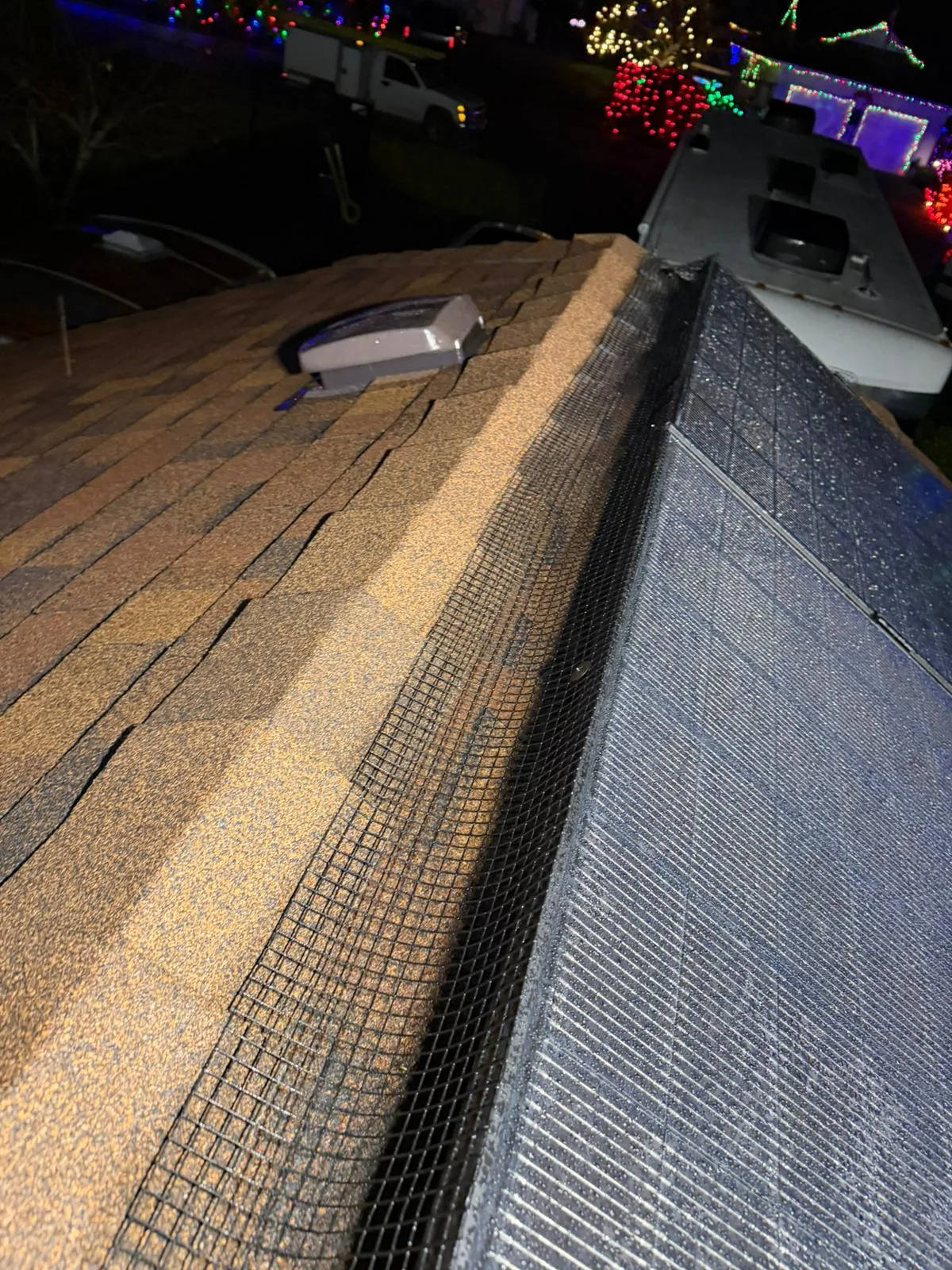
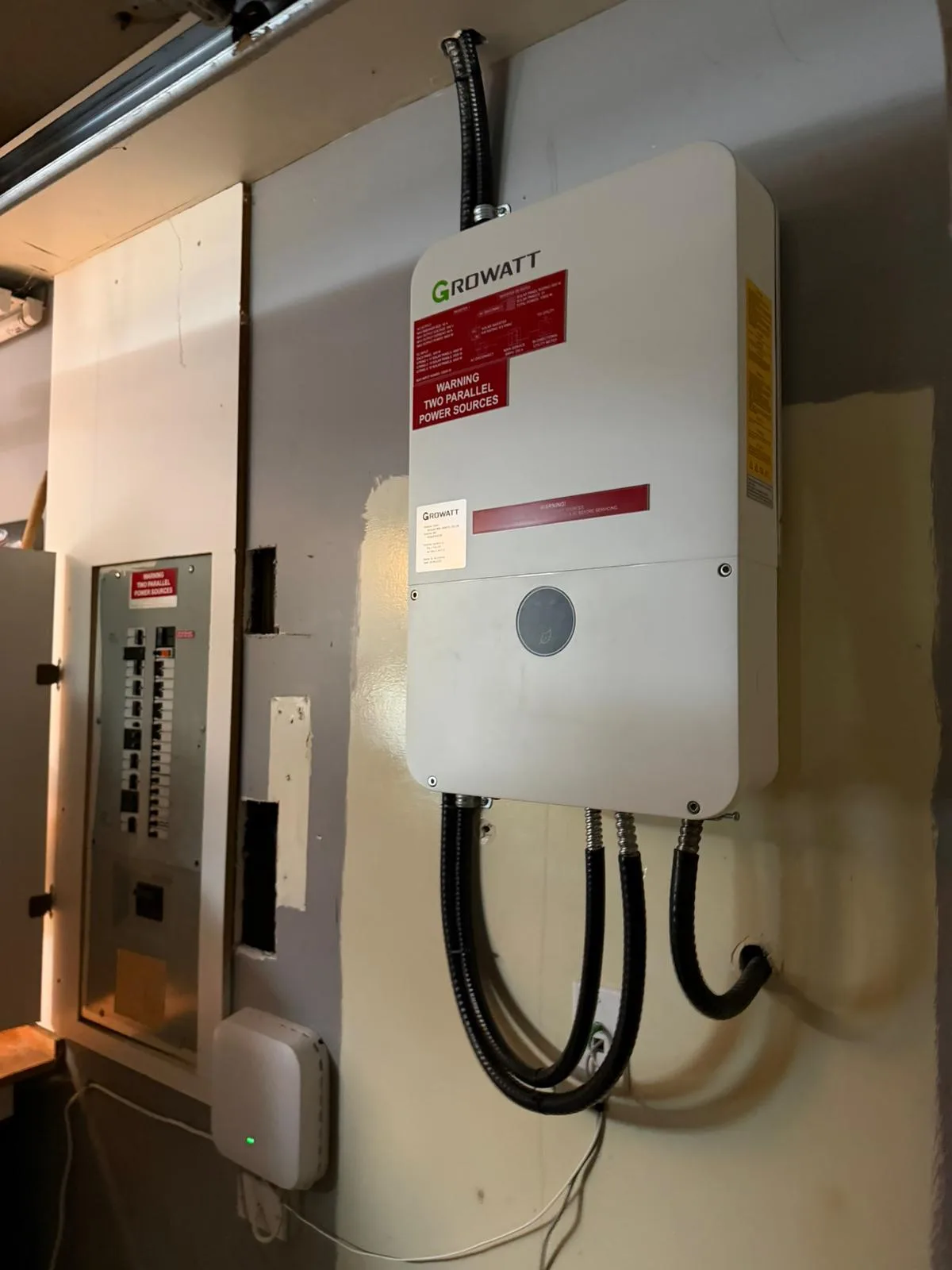
Victoria — 14 kW rooftop
South-facing asphalt shingle · completed January 2026 · 29 progress photos on file
Richmond energy & net metering
What BC Hydro charges here, and how surplus solar is credited in British Columbia.
BC Hydro’s current residential rates are 11.87¢/kWh (Step 1) and 14.08¢/kWh (Step 2), with rate increases of 3.75% in both 2025 and 2026. Solar locks in your energy costs as grid rates continue rising.
How your system works behind the meter
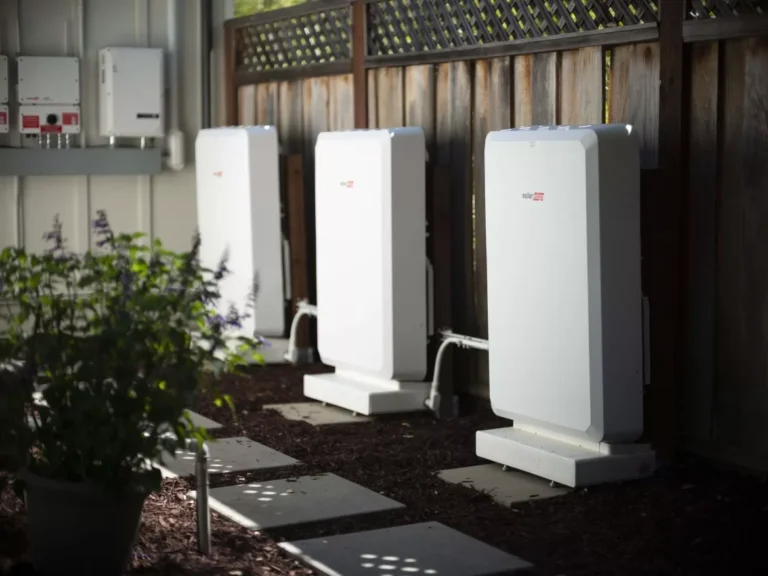
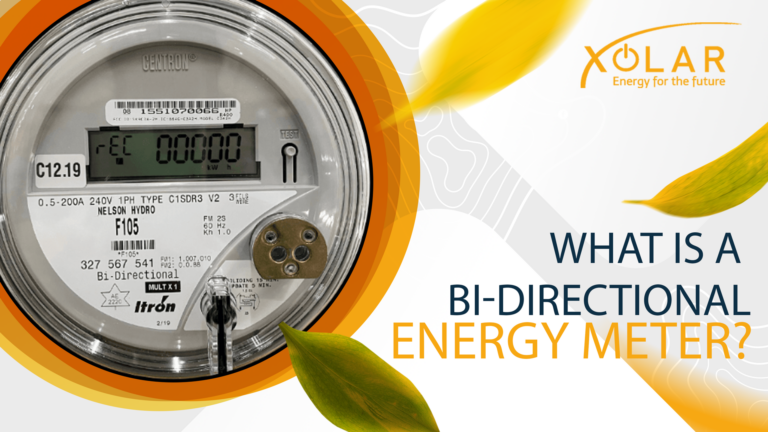
Most of a Richmond system's value comes from power used behind the meter — electricity your panels make and your home uses on the spot, offsetting energy you'd otherwise buy at 11.87¢/kWh. Only the surplus flows past the meter to BC Hydro for net-metering credit.
Rebates & incentives in Richmond
Every active local, provincial, federal and Xolar program a Richmond homeowner can stack.
- Up to $5,000BC Hydro Solar Rebate
- Up to $1,500 ($5,000 with Peak Saver)BC Hydro Battery Rebate
- 7% PST exemptionPST Exemption
- Up to 30% of eligible costsClean Technology Investment Tax Credit (Commercial ITC)
Solar Panels in Richmond, BC
Richmond produces 990 kWh/kW annually. BC Hydro serves the area with full rebate eligibility: up to $5,000 for solar and battery rebate of up to $1,500 with solar (no Peak Saver), or up to $5,000 with Peak Saver enrollment, plus PST exemption (~$2,000 savings).
Note: The federal Canada Greener Homes Grant and Loan programs are now closed.
What BC Hydro's Export Rate Change Means in Richmond
Until 1 July 2026 a Richmond homeowner faced a genuine decision: take BC Hydro’s solar rebate, or stay on 1:1 net metering and bank every exported kilowatt-hour at full retail value. That decision no longer exists. Following a BC Utilities Commission ruling, BC Hydro closed the net metering rate (Rate Schedule 1289) to new customers on 1 July 2026.
New systems go on Rate Schedule 2289 instead. BC Hydro buys your excess generation at a fixed 10 cents per kWh, and — a real improvement on the old arrangement — pays you every billing cycle rather than banking credits until a yearly reconciliation. Because retail electricity in Richmond costs more than 10 cents, a kilowatt-hour you use yourself is now worth more than one you export. That makes the shape of your daily consumption matter in a way it did not before: running the dishwasher at noon rather than at midnight is now worth something.
Take the rebate. Declining it no longer preserves 1:1 net metering, because that rate is closed to new customers regardless. BC Hydro’s own position is that the solar rebate is expected to fully offset the impact of the rate change for an average residential customer. One distinction worth knowing: if you accept only the battery rebate and no solar rebate, your service rate is unaffected. BC Hydro also does not permit a pro-rated or combined arrangement across the two rates — it is one or the other.
BC Hydro's Two-Step Rate Means Solar Displaces Your Dearest Power First
BC Hydro does not charge one price for electricity. Residential customers pay Step 1 at 11.87 cents per kilowatt-hour up to a threshold, and Step 2 at 14.08 cents for everything above it. That structure matters more for a solar decision than the average rate does.
Because solar reduces the total you draw from the grid, it removes kilowatt-hours from the top of your consumption — the Step 2 ones — first. A Richmond household that regularly runs into Step 2 is therefore displacing power at 14.08 cents. One that never leaves Step 1 displaces at 11.87. Two homes with identical arrays and identical production can save meaningfully different amounts for that reason alone.
It also means the first kilowatts of a system earn more than the last. Once generation has pulled you down out of Step 2, further output is displacing cheaper power, and anything beyond your own consumption is exported at BC Hydro’s fixed 10 cents rather than credited at retail.
Stack those two facts and the design conclusion is unavoidable. The most valuable portion of a Richmond system is the part that keeps you out of Step 2; the least valuable is the part that exports. That is the whole argument for sizing against twelve months of your own bills rather than against how many panels the roof will hold.
When you read a savings estimate, the question worth asking is which rate it assumed and for how many kilowatt-hours. An estimate that values every unit at 14.08 cents is describing a household permanently deep in Step 2, which most are not.
On Flat Land, Shading Is a Neighbour Problem Rather Than a Mountain One
Richmond sits on the flat delta of the Fraser, and that changes the shape of the solar assessment compared with most of the province.
In Squamish or North Vancouver the limiting factor is often terrain: a ridge removes a block of the afternoon and there is nothing to be done about it. Richmond has no such constraint. What obstructs a roof here is a neighbouring building, a stand of trees, or occasionally the house’s own roof geometry — dormers, chimneys, a taller wing casting onto a lower one.
That difference is practical rather than academic, for two reasons. First, these obstructions are far easier to model accurately: a surveyor or a decent site assessment can place a neighbouring roofline precisely, where terrain requires a horizon survey. Second, some of them change. A tree can be pruned. A neighbour’s redevelopment can add shade you did not have, which is worth thinking about if you are next to a lot zoned for something taller than what stands on it now.
The flatness also means Richmond’s own figure of 990 kWh per kW a year is a more reliable guide to your address than the equivalent number is in a mountain town. The intra-city spread here is driven by roof orientation and immediate obstructions rather than by which part of the city you live in — Steveston and Brighouse are not meaningfully different from one another in solar terms.
So the assessment to insist on in Richmond is a careful look at what stands around the house, now and plausibly in a few years, rather than a horizon survey.
Explore More Solar Resources
Showing British Columbia — 10 installs · 534 nationwide
Completed Xolar installations — each dot represents a city where we've installed solar.
Areas We Serve in Richmond
Professional solar panel installation available in these Richmond neighborhoods and communities:
What Richmond homeowners say


Swipe for more reviews →
"Dan, the representative was friendly and patient with this old lady. It was a pleasure speaking with him. I look forward to working toward having my solar system installed :)"

"Very detailed, and professional."

"The representative, Duncan was a GREAT dude, full of knowledge, respectful, friendly and kind. I am holding off for a year because I realize this venture is gonna cost me a little up front money, where I'm NOT ready to invest so heavily in this product.AWESOME experience..."

"The representative was very helpful and knowledgeable about the proposed system. He answered every question I had and walked me through the process. I was very pleased with the service I received"

"Very informative with very detailed information and excellent information in a PDF format to allow for a full printout of the items talked about"

"Ross was great, he explained what needed explaining and didn't fill me up with bafflegab."

Richmond solar questions
Is solar worth it in Richmond?
Yes.
Richmond produces 990 kWh/kW with BC Hydro rebates up to $5,000 for solar, plus battery rebate (up to $1,500 without Peak Saver, or up to $5,000 with Peak Saver) and PST exemption (~$2K).
Flat terrain means fewer shading issues.
How does BC Hydro's two-step rate affect what solar saves me?
It means the first part of your system earns more than the last.
BC Hydro charges Step 1 at 11.87 cents per kilowatt-hour up to a threshold and Step 2 at 14.08 cents above it.
Solar reduces the total you draw, so it removes the Step 2 kilowatt-hours first — a household well into Step 2 displaces power at 14.08 cents, one that never leaves Step 1 at 11.87.
Once generation pulls you down into Step 1, further output displaces cheaper power, and anything beyond your consumption exports at a fixed 10 cents.
Worth asking which rate a savings estimate assumed, and for how many units.
What changed with BC Hydro net metering in July 2026?
BC Hydro closed its 1:1 net metering rate, Rate Schedule 1289, to new customers on 1 July 2026 after a BC Utilities Commission decision.
New self-generation customers take Rate Schedule 2289, where excess generation is bought at a fixed 10 cents per kilowatt-hour and paid each billing cycle rather than yearly.
Because Richmond buys power back at 11.87 cents on Step 1 and 14.08 on Step 2, exporting is now worth less than self-consuming, and a system should be sized against twelve months of your own consumption rather than available roof area.
I already have net metering. Do I keep the 1:1 rate?
For up to ten years.
BC Hydro states that customers already on Rate Schedule 1289 remain on it until ten years have passed from their initial net metering service start date, then transfer automatically to Rate Schedule 2289.
The exception is customers who received BC Hydro’s solar rebate, who BC Hydro says were transitioned to RS 2289 as of 1 July 2026.
What matters is your own service start date rather than when the rule changed, so confirm with BC Hydro which rate you are on before expanding an existing system.
Are there solar rebates in British Columbia?
Not on the scale Ontario offers.
Ontario’s Home Renovation Savings Program pays up to $10,000 for solar panels and battery storage together, and British Columbia has no residential equivalent of that size, so a Richmond system starts closer to full price — much of why payback here runs 11 to 13 years.
Note that BC Hydro’s own solar rebate carried a consequence beyond its value: customers who received it were moved to the new self-generation export rate on 1 July 2026 rather than keeping 1:1 net metering.
Availability changes, so ask what is current when you get a quote.
How big a system should a Richmond home have?
Start from twelve months of your own bills rather than from the roof.
Because exports earn a fixed 10 cents while you buy back at 11.87 or 14.08 cents, capacity beyond your own consumption earns less than the power it would have displaced.
Total your annual kilowatt-hours and work backwards from Richmond’s 990 kWh per kW — this page assumes 7 kW as a typical result.
If the roof still has room after that, shifting load into daylight or pricing a battery is usually a better use of it than panels that mostly export.
Get your free Richmond solar quote
A personalized proposal in 24 hours — system size, real pricing, and every rebate you qualify for. No pressure, no obligation.
Takes about a minute — no pressure, no obligation.
Solar system packages
All include install, permits & 25-yr warrantyMost popular choice for average Canadian homes
Solar installation across British Columbia
We serve homeowners province-wide. View all British Columbia service areas →