Solar panels in Grande Prairie, Alberta
Northern Alberta sun, strong retail-rate credits, and no rebate to wait for.
Grande Prairie is modelled at 1,220 kWh per kW a year with an average saving of about $2,100 and a payback of 8 to 12 years. It also participates in Alberta’s Clean Energy Improvement Program, which finances solar through a charge on the property — a route Fort McMurray, the other northern Alberta community we serve and also on ATCO Electric, does not have.


Updated
Get Your Free Solar Quote
Custom solar solutions for Grande Prairie, AB
Prefer to discuss your project first? Contact us or view our detailed quote form
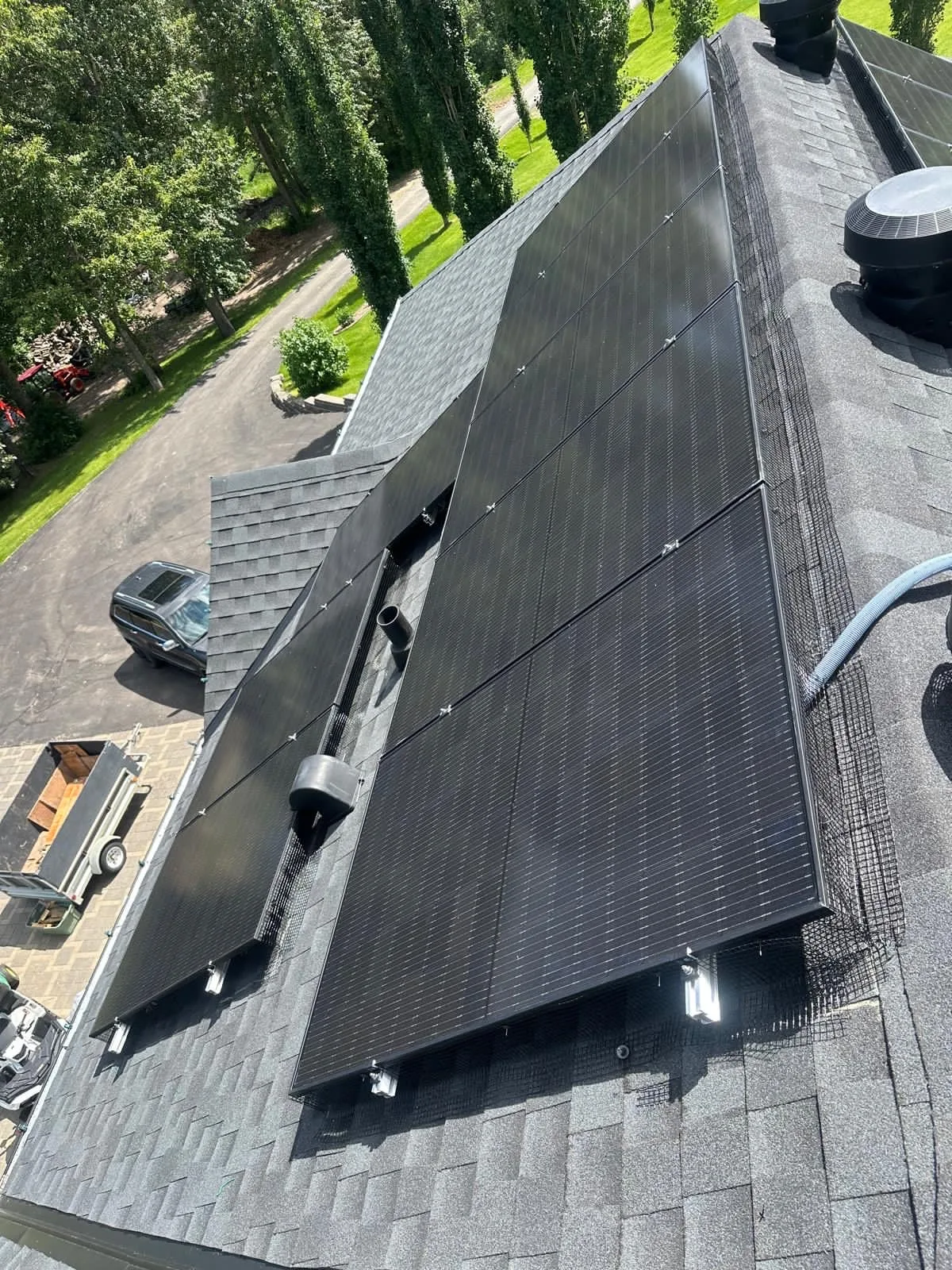
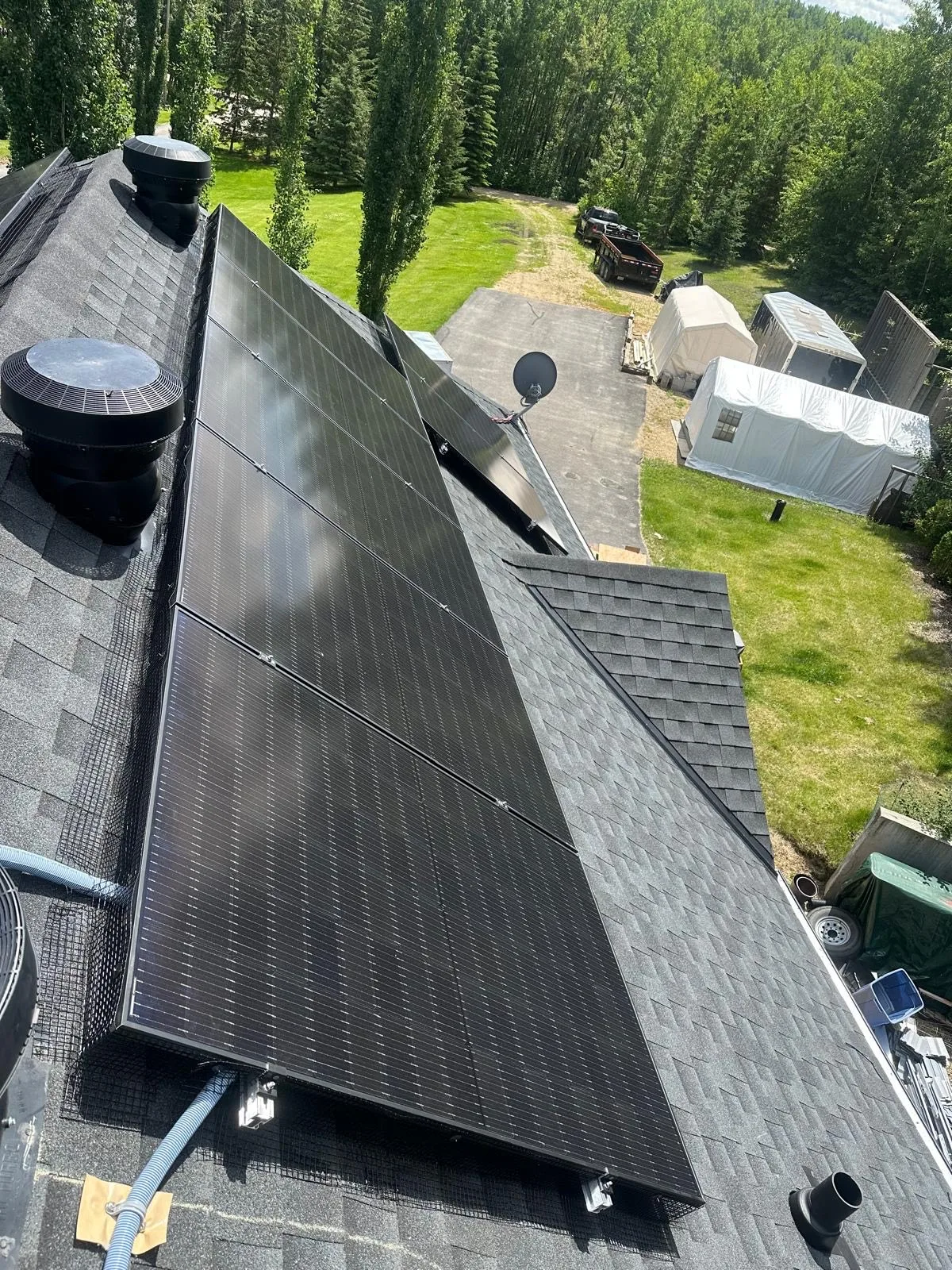
Edmonton — 14.2 kW rooftop
Completed August 2025
Xolar installs across Alberta
36 completed Xolar systems across Alberta. Grande Prairie is in our service area — yours could be the first one we publish here.
Grande Prairie energy & net metering
What ATCO Electric charges here, and how surplus solar is credited in Alberta.
Alberta’s Rate of Last Resort is 12.01–12.06¢/kWh, fixed through December 2026. Long summer daylight hours partially compensate for Grande Prairie’s northern latitude.
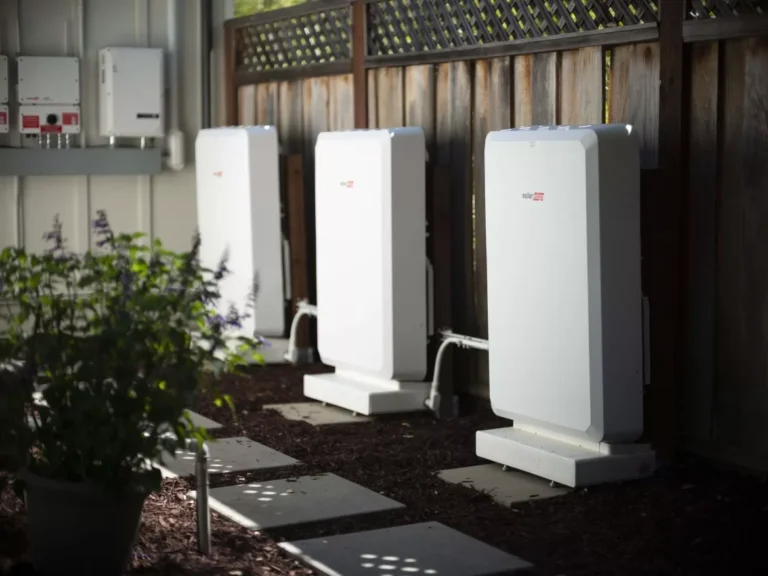
How your system works behind the meter
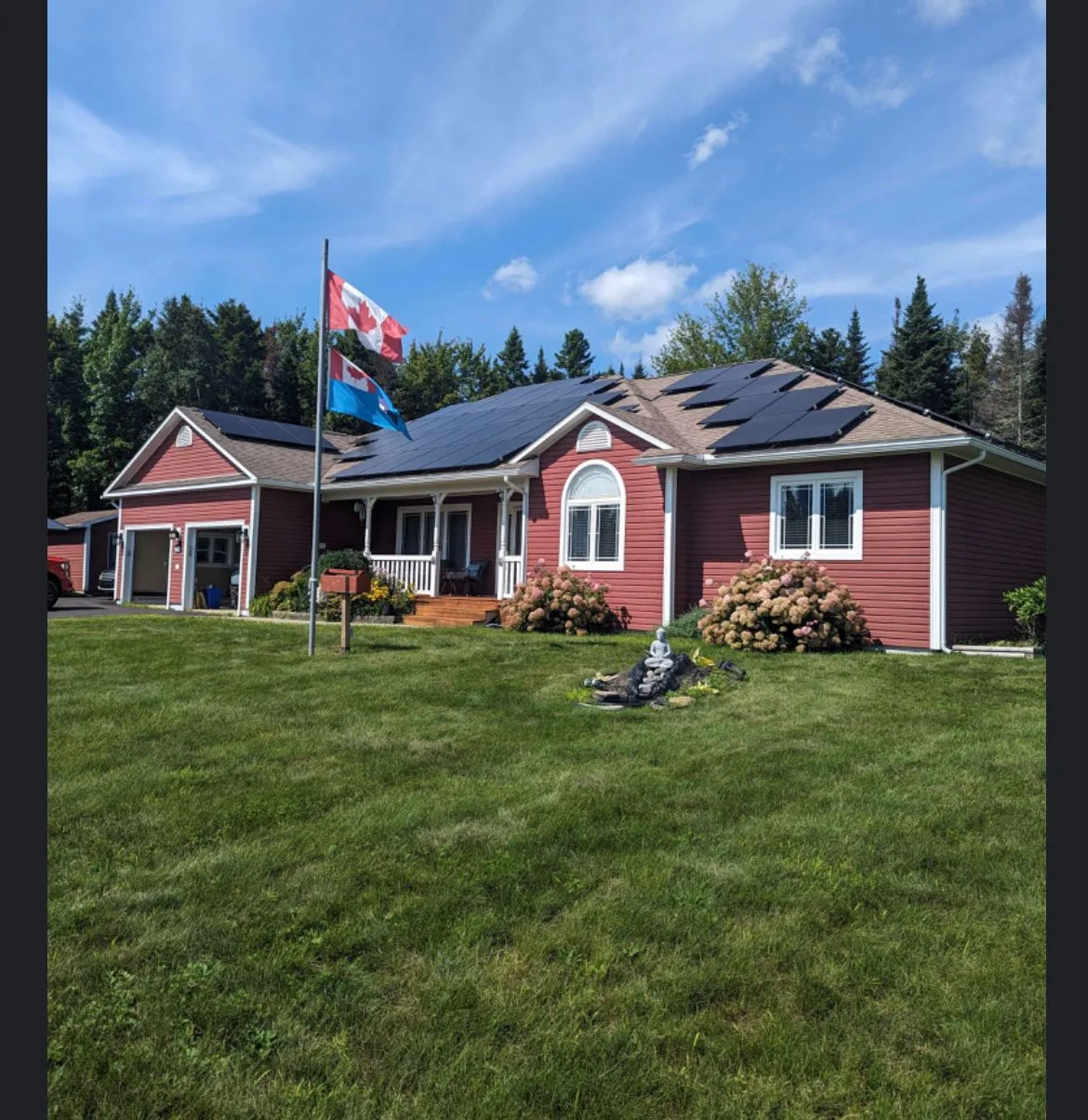
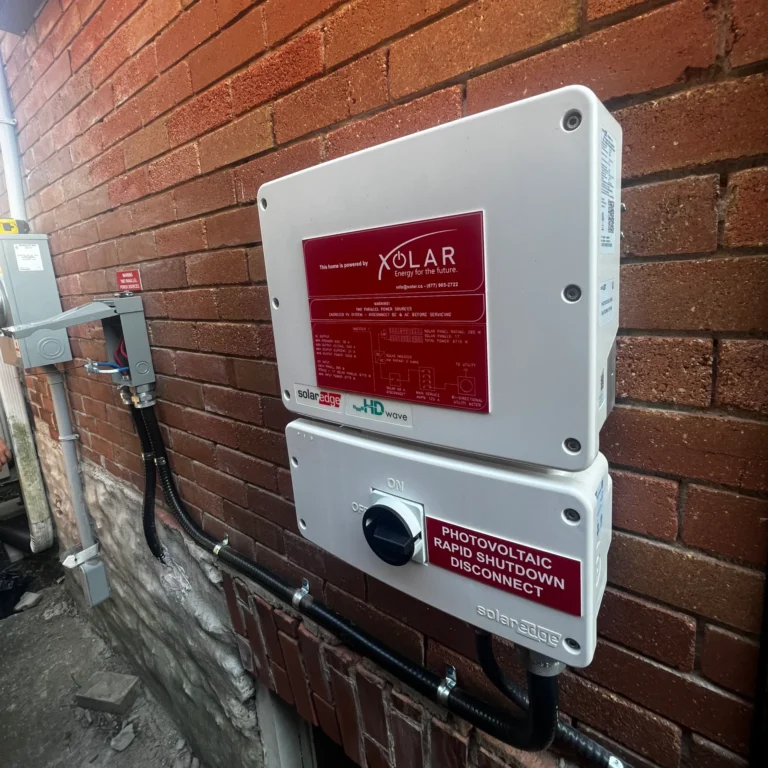
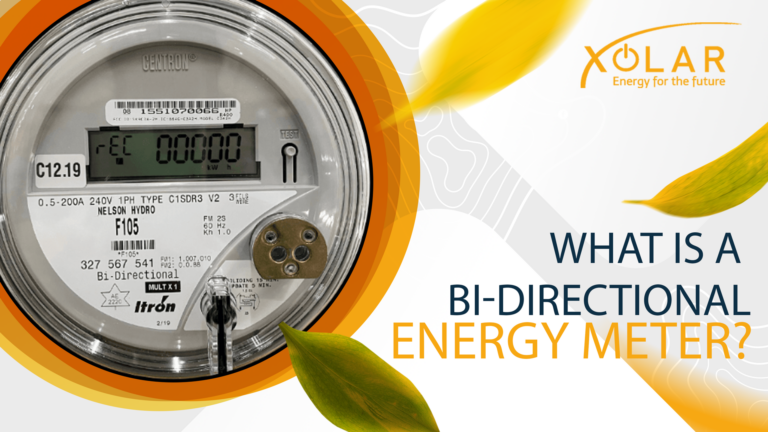
Most of a Grande Prairie system's value comes from power used behind the meter — electricity your panels make and your home uses on the spot, offsetting energy you'd otherwise buy at 12¢/kWh. Only the surplus flows past the meter to ATCO Electric for net-metering credit.
Rebates & incentives in Grande Prairie
Every active local, provincial, federal and Xolar program a Grande Prairie homeowner can stack.
- 35¢/kWh HI export rate + 3% cash back (retail plan, not a rebate)Solar Club
- Up to $1625Fall 2026 Sale – Battery
- Up to $2550Fall 2026 Sale – Solar
- Up to $475Fall 2026 Sale – Heat Pump
Solar Panels in Grande Prairie
Grande Prairie in the Peace Region produces 1,220 kWh/kW with Alberta’s standard micro-generation benefits. ATCO Electric distributes power. Long summer daylight hours partially compensate for the northern latitude.
Alberta’s retail-rate net billing and no interconnection fees make solar a viable investment in Grande Prairie.
Grande Prairie's CEIP Has Ended. Here Is What That Changes.
Alberta has no residential solar rebate. There is no provincial cheque towards a system anywhere in the province, which is the biggest single difference from Ontario, where up to $10,000 is available for solar panels and battery storage together.
What some Alberta municipalities have instead is the Clean Energy Improvement Program, which finances energy upgrades through a charge on the property rather than a personal loan. Grande Prairie was one of them, but its program is now full: applications and the waitlist closed on April 28, 2026, and the City says 2026 was its final year of CEIP funding.
The comparison worth drawing is with Fort McMurray. Both are northern Alberta communities, both are served by ATCO Electric, both fall under the same Micro-Generation Regulation, and their sunshine is close — 1,220 kWh per kW here against 1,200 there. Fort McMurray never had CEIP, and with Grande Prairie’s program ended, homeowners in both towns now finance a system with cash or a private loan.
Because there is no rebate reducing the sticker price and no municipal financing, the installed price and the rate on any loan are where most of your return is decided.
ATCO Electric Delivers It. A Retailer Sells It.
Alberta’s deregulated market changes how a solar quote should be read, and it is the detail most likely to make an out-of-province comparison misleading.
ATCO Electric owns and operates the distribution wires reaching your Grande Prairie home and handles your solar interconnection. It does not sell you electricity. That comes from a retailer you choose, so your bill carries regulated distribution charges on one side and a contracted energy rate on the other.
Under Alberta’s Micro-Generation Regulation, ATCO Electric customers earn full retail-rate credits for excess solar, with no interconnection fees. The phrase doing the work is “full retail rate”, because in a deregulated market that means your retailer’s rate rather than a provincial tariff. Two Grande Prairie households with identical systems and identical production can be credited differently because they are on different contracts.
The Rate of Last Resort quoted on this page, about 12.01 cents per kilowatt-hour, is the fallback for customers who have not chosen a retailer. It is a fair planning figure and it may not be yours.
So before comparing quotes, find the energy rate on your own bill, then ask each installer which rate their projection assumed. In Alberta that number moves the payback more than most equipment choices do — and unlike the equipment, it is something you may be able to improve today regardless of whether you go ahead with solar.
1,220 kWh per kW This Far North Is Better Than Most of Canada
Grande Prairie sits at roughly 55 degrees north, well above most of the Canadian population, and it is modelled at 1,220 kWh per kW a year.
That figure beats every city we serve in Ontario, where Chatham-Kent leads at 1,210. It beats all of Atlantic Canada, where Truro leads at 1,150. It beats the entire British Columbia coast, which runs from 960 to 1,050. Within Alberta it sits mid-to-lower — Okotoks is 1,310, Edmonton 1,280, Red Deer 1,265 — but ahead of Fort McMurray at 1,200 and Canmore at 1,200.
Latitude is simply not the dominant variable people assume. What matters more is how much of the daylight arrives as direct sun rather than being scattered by cloud, and the Peace Country’s continental climate delivers a great deal of clear sky.
Where the latitude does assert itself is in the shape of the year. Summer days here are very long and productive; December days are short and low-angled. Output concentrates into the warmer half of the year more sharply than in southern Alberta, while a northern household’s consumption runs the other way — heaviest in the months when the array contributes least.
That argues for sizing against twelve months of actual consumption rather than against a summer month or the available roof, and for treating any quote built on peak-season output as incomplete. The payback quoted here, 8 to 12 years, already reflects the annual figure rather than the July one.
Explore More Solar Resources
Showing Alberta — 36 installs · 549 nationwide
Completed Xolar installations — each dot represents a city where we've installed solar.
Areas We Serve in Grande Prairie
Professional solar panel installation available in these Grande Prairie neighborhoods and communities:
What Grande Prairie homeowners say

Swipe for more reviews →
"The purchasing and installation of my solar panels went flawless. Once installation was arranged and installed inspection was completed within a week. NB power gave me my Letter stating I could turn on my system within one week. I just got off the phone with Can, He has been very helpful Throughout the installation process and Uploading app.I dealt with Abe as the initial contact For the proposal and the contract. I give him five stars too.The only other interaction I have had was with Lauren, and she was fantastic.What great service all the way."

"quick responses and very easy to talk with ,THX"

"Pleasant, good communication. Panels arrived within timeframe promised"

Grande Prairie solar questions
Is Grande Prairie good for solar?
Grande Prairie produces 1,220 kWh/kW annually.
While northern, long summer days and Alberta’s retail-rate micro-generation credits make solar a viable investment.
Does Grande Prairie have solar financing available?
Not through the City any more.
Grande Prairie took part in Alberta’s Clean Energy Improvement Program, but its program is full: applications and the waitlist closed on April 28, 2026, and the City says 2026 was its final year of CEIP funding.
Alberta has no residential solar rebate, so a system here is paid for with cash or private financing, the same as in Fort McMurray.
Is Grande Prairie too far north for solar to work?
No.
At 1,220 kWh per kW a year it out-produces every city we serve in Ontario, where Chatham-Kent tops out at 1,210, all of Atlantic Canada, and the entire British Columbia coast.
Latitude matters less than how much of the daylight arrives as direct sun, and the Peace Country’s continental climate delivers plenty of clear sky.
What the latitude does change is the shape of the year — long, productive summer days and short, low-angled December ones — so output concentrates into the warmer months while a northern household consumes most in winter.
That is an argument for sizing against twelve months of real consumption rather than a summer estimate.
Who provides electricity in Grande Prairie?
Two different companies, which is how Alberta works.
ATCO Electric owns and operates the distribution wires and handles your solar interconnection, but it does not sell you energy — you choose a retailer separately in Alberta’s deregulated market.
Your bill therefore carries regulated distribution charges plus a contracted energy rate.
Under the Micro-Generation Regulation you earn full retail-rate credits for excess solar with no interconnection fees, but that rate is your retailer’s rather than a provincial one.
The Rate of Last Resort of about 12.01 cents per kilowatt-hour quoted here applies only if you have not chosen a retailer.
How does Grande Prairie compare with the rest of Alberta?
Mid-to-lower within the province, and strong nationally.
Grande Prairie’s 1,220 kWh per kW a year sits below Okotoks at 1,310, Edmonton at 1,280 and Red Deer at 1,265, and above Fort McMurray and Canmore at 1,200.
The whole Alberta spread is about nine per cent, so the differences between communities are small.
Against the rest of the country it beats every Ontario city, all of Atlantic Canada and the British Columbia coast.
Where Grande Prairie is genuinely ahead of some larger Alberta centres is financing — it participates in the Clean Energy Improvement Program, which Fort McMurray and Red Deer do not.
How big a system should a Grande Prairie home have?
Size it against twelve months of your own bills rather than the roof.
At 1,220 kWh per kW a year, every kilowatt you install produces around 1,220 kilowatt-hours annually, so your consumption works backwards to the capacity you need.
Two northern considerations sharpen that.
Output concentrates into the summer while your consumption peaks in winter, so a system sized on a good summer month will overshoot.
And because Alberta credits exports at your retailer’s rate rather than a fixed tariff, production you use directly is the part whose value you can be most certain of.
If the roof still has room after that, shifting load into daylight is usually a better use of it than more panels.
Get your free Grande Prairie solar quote
A personalized proposal in 24 hours — system size, real pricing, and every rebate you qualify for. No pressure, no obligation.

Takes about a minute — no pressure, no obligation.
Solar system packages
All include install, permits & 25-yr warrantyMost popular choice for average Canadian homes
Solar installation across Alberta
We serve homeowners province-wide. View all Alberta service areas → Outside Alberta? Find a solar installer near you →