Cost of Solar Panels in Ontario (2026): Prices, Rebates & Savings | Xolar
By Chris Ogilvie
Cost of Solar Panels in Ontario: Complete 2026 Guide
by Xolar |
Switching to solar energy is becoming more popular in Ontario, thanks to the environmental benefits and long-term savings. At Xolar, we help homeowners understand the costs, the installation process, and the available incentives to make switching to solar simple and affordable.
How Much Do Solar Panels Cost in Ontario in 2026?
The cost of installing solar panels in Ontario ranges from about $2.10 to $4.10 per watt before HST in 2026, with cost per watt dropping significantly as system size increases. For a typical Ontario home, a professionally installed system costs between $23,800 and $26,000 before HST and rebates. The Ontario HRSP solar rebate ($5,000) can bring that down to $18,800 to $21,000, though claiming it means the system cannot be enrolled in net metering.
Ontario has the 5th highest solar energy potential of all Canadian provinces, with southern Ontario receiving some of the best sunlight in the country. Solar installations in Ontario produce an average of 1,166 kWh of electricity per year for every 1 kW installed, meaning a properly sized solar system can offset 80–100% of your electricity bills.
This comprehensive guide covers everything Ontario homeowners need to know about solar costs in 2026: pricing by system size, available rebates and financing, payback periods, net metering, and how to choose the right system for your home.
Solar Panel Costs by System Size in Ontario
The cost of solar panels depends primarily on system size, which is determined by your energy consumption, available roof space, and energy goals. Here’s what Ontario homeowners can expect to pay in 2026:
Cost Breakdown by System Size (Before Incentives):
| System Size | # of Panels | Annual Production | Cost Range | Best For |
|---|---|---|---|---|
| 5 kW | 10 | 5,830 kWh | $19,100–$20,300 | Small homes, 5,000–7,000 kWh/year usage |
| 7 kW | 14 | 8,162 kWh | $23,000–$24,900 | Smaller households, ~8,000 kWh/year |
| 8 kW | 16 | 9,328 kWh | $23,800–$26,000 | Average Ontario home (9,000 kWh/year) |
| 10 kW | 20 | 11,660 kWh | $27,200–$29,500 | Large homes, 10,000–12,000 kWh/year |
| 12 kW | 24 | 13,992 kWh | $30,100–$33,000 | Large homes with EV, heat pump, pool |
Prices are Xolar installed prices before HST and before rebates, current as of June 2026. Ranges reflect equipment choice (Growatt to SolarEdge).
What’s included in these costs: Solar photovoltaic panels, inverter(s), racking and mounting hardware, wiring, permits, professional installation, ESA inspection, and net metering application.
According to the Ontario Energy Board, the average Ontario household consumes about 9,000 kWh per year. To offset 100% of that usage, most homeowners need a 7.5–8 kW solar panel system, typically costing $23,800–$26,000 before HST and rebates.
Where your money goes (typical cost breakdown):
- Solar panels: 35–40% of total system costs
- Inverter(s): 20–25%
- Racking and mounting hardware: 20–25%
- Labour, logistics, and permits: 15–20%
Ontario Solar Incentives & Rebates (2026)
Ontario homeowners can access several programs that significantly reduce installation costs and improve the overall return on investment when installing solar panels.
Home Renovation Savings Program (HRSP), Up to $10,000
Ontario’s flagship solar incentive, launched January 2025 with solar and battery measures added January 2026, provides combined rebates of up to $10,000:
- Solar panels: Up to $5,000 ($1,000 per kW installed, up to 50% of total costs)
- Battery storage: Up to $5,000 (must be paired with a new solar PV system)
Delivered by Save On Energy and Enbridge Gas with support from the Ontario government.
Important note about net metering: Solar panels installed under HRSP must be sized for load displacement only, the electricity generated is used exclusively to meet your home’s consumption needs. Homeowners who receive the HRSP incentive for solar PV and battery storage are not eligible for a net metering agreement. You must choose one or the other, HRSP rebate or net metering, so discuss both options with your installer to determine which provides greater long-term savings for your situation.
Home Energy Loan Program (HELP), Toronto
Toronto homeowners can borrow up to $125,000 at low fixed interest rates for energy improvements including solar panels and battery storage. Repayment is through your property tax bill over up to 20 years, with no penalties for early payoff. This is one of the most generous municipal solar financing programs in Canada.
Better Homes Ottawa Loan Program
Ottawa homeowners can access low-interest, long-term loans for energy-efficient upgrades including solar installations. Zero-interest options are available for qualifying low-income households.
Enbridge Home Efficiency Rebate Plus
The former Home Efficiency Rebate Plus (HER+) program closed to new applicants in February 2024. It was replaced by the Home Renovation Savings Program (HRSP) described above, delivered by Enbridge Gas and Save on Energy. HER+ is no longer a separate rebate and cannot be stacked with HRSP.
Durham Greener Homes Deep Retrofit Rebate
Durham Region homeowners can earn up to $5,000 (up to $10,000 for Whitby residents) for deep retrofits that cut modelled home energy use by 50% or more, with a minimum project cost of $30,000. Solar installations can qualify as part of a comprehensive retrofit package.
Federal Programs (Status Update)
Canada Greener Homes Loan, ENDED: The $40,000 interest-free federal loan program closed to new applications on October 1, 2025. Over 120,000 loans were issued before closure. No replacement program has been announced.
Canada Greener Homes Grant, ENDED: The $5,000 grant for energy-efficient retrofits closed to new applicants in 2024.
Clean Technology Investment Tax Credit (ITC): Businesses investing in clean energy equipment (including solar photovoltaic systems) may be eligible for a 30% refundable tax credit. Consult a tax professional for commercial solar installations.
Net Metering in Ontario: How It Works
Ontario’s Net Metering program allows homeowners to generate their own electricity using solar panels and receive credits on their electricity bills for any excess power they produce. The program is governed by Ontario Regulation 541/05 and administered by your local utility, available to customers of any Ontario utility, including Hydro One, Toronto Hydro, Alectra, and others.
How net metering works:
- Your solar panels generate electricity during daylight hours
- Energy you use immediately offsets your grid consumption
- Excess energy flows to the grid and earns you 1:1 credits at the retail electricity rate
- Credits carry forward on your electricity bills for up to 12 months
- Unused credits expire after 12 months (they don’t roll over indefinitely)
Why this matters for system sizing: Since Ontario credits expire annually, it doesn’t make financial sense to dramatically oversize your solar system. The goal is to match your solar production as closely as possible to your annual electricity consumption. Your installer should size your system based on your actual usage history.
Net metering systems in Ontario are limited to 500 kW, more than enough for any residential solar installation.
Note: Homeowners who receive the HRSP solar incentive are not eligible for net metering. The HRSP program requires systems to be designed for load displacement only.
Ontario Electricity Rates & Why Solar Makes Sense
Ontario’s electricity costs have been rising steadily, making solar energy increasingly attractive for homeowners looking to reduce their electricity bills and build long-term energy savings.
Current Ontario Rate Plans:
Time-of-Use (TOU) Rates (OEB, November 2025 to October 2026):
- Off-Peak: 9.8¢/kWh
- Mid-Peak: 15.7¢/kWh
- On-Peak: 20.3¢/kWh
Ultra-Low Overnight (ULO) Rate Plan (available province-wide since 2023):
- Ultra-Low Overnight (11pm–7am): 3.9¢/kWh
- Weekend Off-Peak: 9.8¢/kWh
- Mid-Peak: 15.7¢/kWh
- On-Peak (4pm–9pm weekdays): 39.1¢/kWh
Why the ULO plan is a game-changer for solar owners: With TOU or ULO billing, your solar panels produce power during the most expensive daytime hours, earning you credits at peak rates. You only draw from the grid at night during the lowest-rate periods. This rate structure makes solar installations in Ontario particularly advantageous compared to flat-rate billing provinces.
A solar system paired with battery storage lets you take even greater advantage of the ULO plan by storing daytime solar power and using it during the on-peak evening hours (39.1¢/kWh), while buying grid electricity only during ultra-low overnight hours (3.9¢/kWh).
OEB regulated rates rose nearly 30% in November 2025, and rates are expected to continue rising. Installing solar panels locks in your energy costs for 25+ years, providing long-term protection against increasing electricity bills.
Payback Period for Solar Panels in Ontario
The payback period, how long it takes for energy savings to cover your installation costs, is the most important financial metric for any solar investment.
Payback in Ontario varies widely by household
This varies based on:
- System size and cost, larger systems cost more but produce more savings
- Your electricity consumption, higher usage = faster payback
- Rate plan, TOU and ULO plans provide better economics for solar
- Incentives applied, HRSP, HELP, or other programs reduce upfront costs
- Self-consumption ratio, using solar power directly (vs. exporting) saves more
Why we don’t quote a single payback number: taking the HRSP rebate reduces upfront cost by up to $10,000 but rules out net metering, while choosing net metering means no upfront rebate but 1:1 credits for everything you export. Your rate plan (TOU or ULO), electricity usage, and self-consumption ratio shift the math by years. Xolar provides a customized payback estimate with every quote, based on your actual usage history and current OEB rates.
After the payback period, your solar panel system continues generating free electricity for many years or decades, leading to significant long-term savings of $30,000 to $60,000+ over the system’s lifetime.
Important: This calculation does not include the increase to property value that homes receive from installing solar. Zillow research found homes with solar sell for 4.1% more on average, about $20,500 on a $500,000 home.
Battery Storage Costs in Ontario
Adding battery storage to your solar installation provides backup power during outages and lets you maximize savings by storing excess solar power for evening use.
Battery storage costs in Ontario:
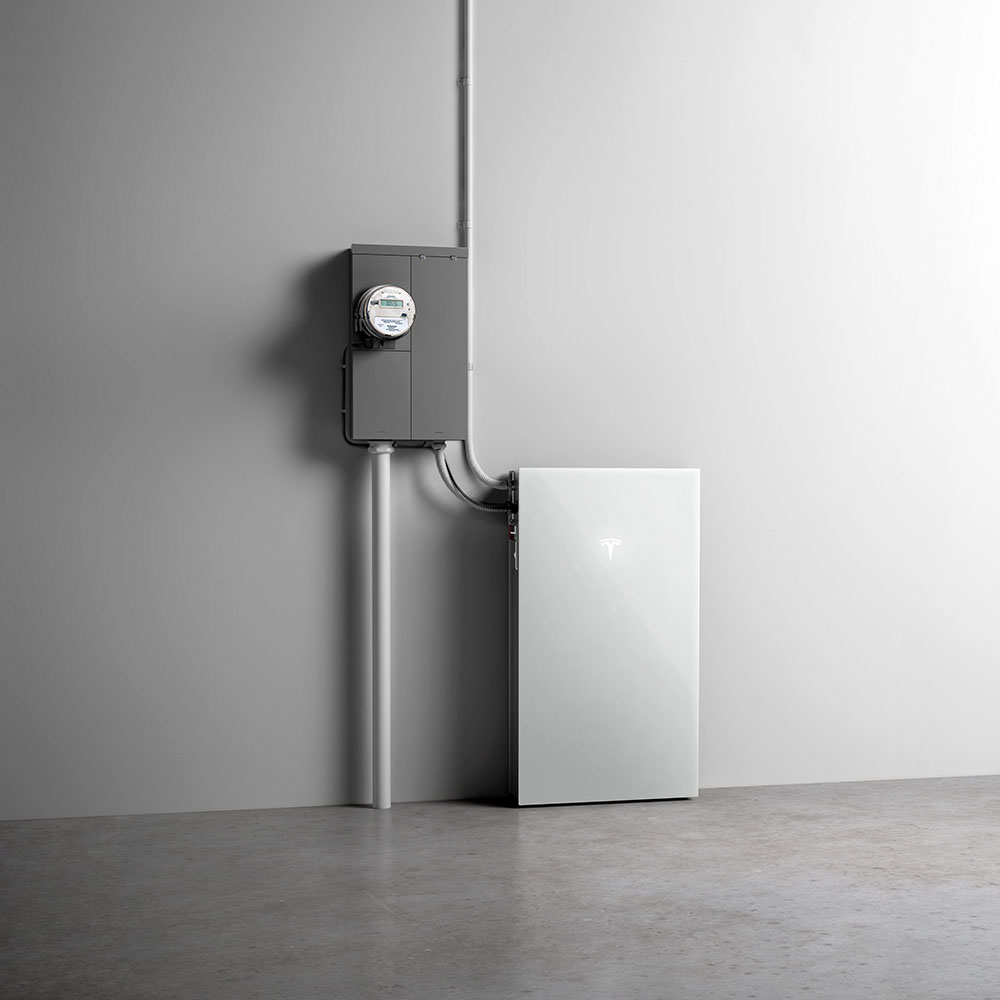
- Tesla Powerwall 3: adds roughly $13,000–$17,000 before HST vs an equivalent solar-only system (13.5 kWh capacity)
- Solis inverter + Renon battery: adds roughly $9,500–$11,000 before HST vs an equivalent solar-only system
- Total solar + battery system: $30,000–$46,300 before HST for typical 5–12 kW systems
HRSP battery rebate: Up to $5,000 for battery storage paired with a new solar PV system. This brings the net battery cost premium to roughly $4,700–$12,000 depending on battery choice and system size.
Battery storage is not required for a grid-connected solar installation, but it’s increasingly popular for Ontario homeowners who want energy independence during power outages or who want to maximize TOU/ULO rate arbitrage.
Xolar systems are designed to be battery-ready, you can start with solar panels alone and add battery storage later without major modifications. Many customers start with solar and add batteries 1–2 years later after seeing their energy production patterns.
Panel Types & Equipment Quality
The solar panels, inverters, and mounting equipment you choose affect system performance, longevity, and cost. Here’s what Ontario homeowners need to know:
Solar Panel Types:
| Panel Type | Efficiency | Cost | Lifespan | Best For |
|---|---|---|---|---|
| Monocrystalline | 18–22% | Higher | 25–30 years | Maximum production per sq ft, limited roof space |
| Polycrystalline | 15–18% | Lower | 25 years | Budget-friendly, larger roof areas |
| Thin-Film | 10–13% | Lowest | 20–25 years | Flexible installations, less common residential |
Most Ontario solar installations use monocrystalline panels, they deliver the best long-term value with higher energy efficiency and production, backed by 25-year performance warranties. Leading brands installed by Xolar include premium manufacturers with strong warranty track records and panels rated for Canadian winter conditions.
Inverter options:
- String inverters: Single device near your electrical panel, 10–15 year warranty
- Microinverters: One per 1–2 panels, 25-year warranty, better for shaded roofs
- Optimizers + string inverter: Best of both worlds, panel-level optimization with 25-year warranty
Spending more on a 25-year inverter warranty upfront saves you a guaranteed replacement cost down the road, matching the lifespan of your solar panels.
Permitting & Additional Costs in Ontario
Beyond the solar panel system itself, there are a few additional costs to factor into your budget:
Municipal permits: Costs vary by municipality in Ontario. Examples:
- Toronto: Minimum $206.53 + $89.22/hr for examination and inspection
- Hamilton: Minimum $291 for residential solar installations
- Niagara Falls: Flat fee of $371
- Other municipalities: Typically $200–$500
ESA (Electrical Safety Authority) inspection: Required for all grid-connected solar installations in Ontario. Usually handled by your installer.
Utility connection fee: Your local distribution company (LDC) may charge a fee to process your net metering application and install a bi-directional meter.
HST: Ontario’s 13% Harmonized Sales Tax applies to solar panel purchases and installation. While there isn’t a specific HST rebate for solar, homeowners may be eligible for the Ontario Energy and Property Tax Credit (OEPTC).
Home insurance: Solar panels increase your home’s replacement value, which may lead to slightly higher insurance premiums ($75–$150/year additional). Notify your insurance provider when you install solar and keep documentation on file.
Good news: Xolar’s quoted prices include professional installation, engineering and design, all required permits, ESA inspection, and net metering application assistance. We provide transparent, all-in pricing with no hidden fees.
System Sizing Guide for Ontario Homes
Choosing the right solar system size is critical for maximizing your return on investment. Here’s how to determine what you need:
Step 1: Find your annual electricity consumption Check your electricity bills for the past 12 months. Add up the total kWh usage. The average Ontario home uses approximately 9,000 kWh per year.
Step 2: Calculate your required system size Divide your annual consumption by 1,166 (the average kWh production per kW installed in Ontario):
- 7,000 kWh ÷ 1,166 = 6.0 kW system
- 9,000 kWh ÷ 1,166 = 7.7 kW system
- 12,000 kWh ÷ 1,166 = 10.3 kW system
Step 3: Factor in future needs Planning to buy an electric vehicle• Add a heat pump• Growing family• Size your system (or at least your inverter) to accommodate future electricity consumption increases.
Step 4: Assess your roof South-facing roofs produce the most solar energy in Ontario. East and west-facing roofs produce ~80% of optimal. North-facing roofs are generally not suitable for solar. Flat roofs work well with tilted mounting systems.
Xolar provides a free energy assessment to recommend the perfect solar system size for your specific home, roof, and energy goals.
Frequently Asked Questions
Q: How much do solar panels cost in Ontario in 2026? A: Xolar’s installed prices in 2026 range from about $2.10 to $4.10 per watt before HST, depending on system size and equipment. A typical 7.5–8 kW system for an average Ontario home costs $23,800–$26,000 before HST. After the HRSP solar rebate ($5,000), the net cost drops to $18,800–$21,000, though claiming HRSP means the system cannot use net metering.
Q: What solar rebates are available in Ontario in 2026? A: The Home Renovation Savings Program (HRSP) provides up to $10,000 ($5,000 solar + $5,000 battery). Toronto’s HELP program offers loans up to $125,000. The former Enbridge HER+ rebate closed in 2024 and was folded into HRSP. The federal Greener Homes Loan ended October 2025.
Q: How long do solar panels take to pay for themselves in Ontario? A: It varies widely with your electricity usage, rate plan, and whether you choose the HRSP rebate or net metering (you cannot have both). After the payback period, your panels keep producing essentially free electricity for decades. Xolar includes a personalized payback estimate with every quote, based on your usage history and current OEB rates.
Q: Do solar panels work in Ontario winters? A: Yes. Solar panels produce electricity year-round, even in winter and on cloudy days. Cold temperatures actually improve panel efficiency. While winter production is lower (60–75% of peak), Ontario’s long summer days (15+ hours of daylight) more than compensate. Annual production estimates already account for seasonal variation.
Q: Should I choose HRSP rebate or net metering? A: This depends on your situation. HRSP provides $5,000–$10,000 in upfront savings but requires load-displacement-only sizing (no exporting). Net metering lets you earn credits for excess energy year-round but doesn’t provide upfront rebates. For most homeowners with moderate energy usage, HRSP + battery provides the best total savings. Discuss both options with your Xolar solar specialist.
Q: Can I add battery storage later? A: Yes, all Xolar solar installations are designed to be battery-ready. You can add a Tesla Powerwall or other battery storage at any time without major modifications. Many customers start with solar panels and add batteries 1–2 years later.
Q: How much can I save with solar panels in Ontario? A: Most Ontario homeowners save $2,000–$2,400 per year on electricity bills. Over 25 years, total savings typically range from $30,000 to $60,000+ depending on system size, electricity consumption, and rate plan. Zillow research has associated solar homes with higher sale prices on average; results vary by market.
Q: What happens to my solar panels if I sell my home? A: Solar panels are a physical asset that increases your home’s value. Your net metering contract with the utility is fully transferable to the new homeowner at no cost. We recommend selling the system with the house to maximize your return on investment.