Solar panels in Huntsville, Ontario : 10 Xolar installs in Huntsville
The largest typical system we quote anywhere — and it lands exactly on Ontario's 12 kW line.
Huntsville quotes a typical system of 12 kW — the largest of any city on this site — and an average saving of about $2,450 a year, the second–highest of any Ontario city. Modelled production is a moderate 1,050 kWh per kW, and payback runs 9 to 12 years. The 12 kW figure is worth pausing on, because Ontario’s simplified connection route stops at exactly 12 kW, so a typical Muskoka system sits right on the line.

Updated
Get Your Free Solar Quote
Custom solar solutions for Huntsville, ON
Prefer to discuss your project first? Contact us or view our detailed quote form
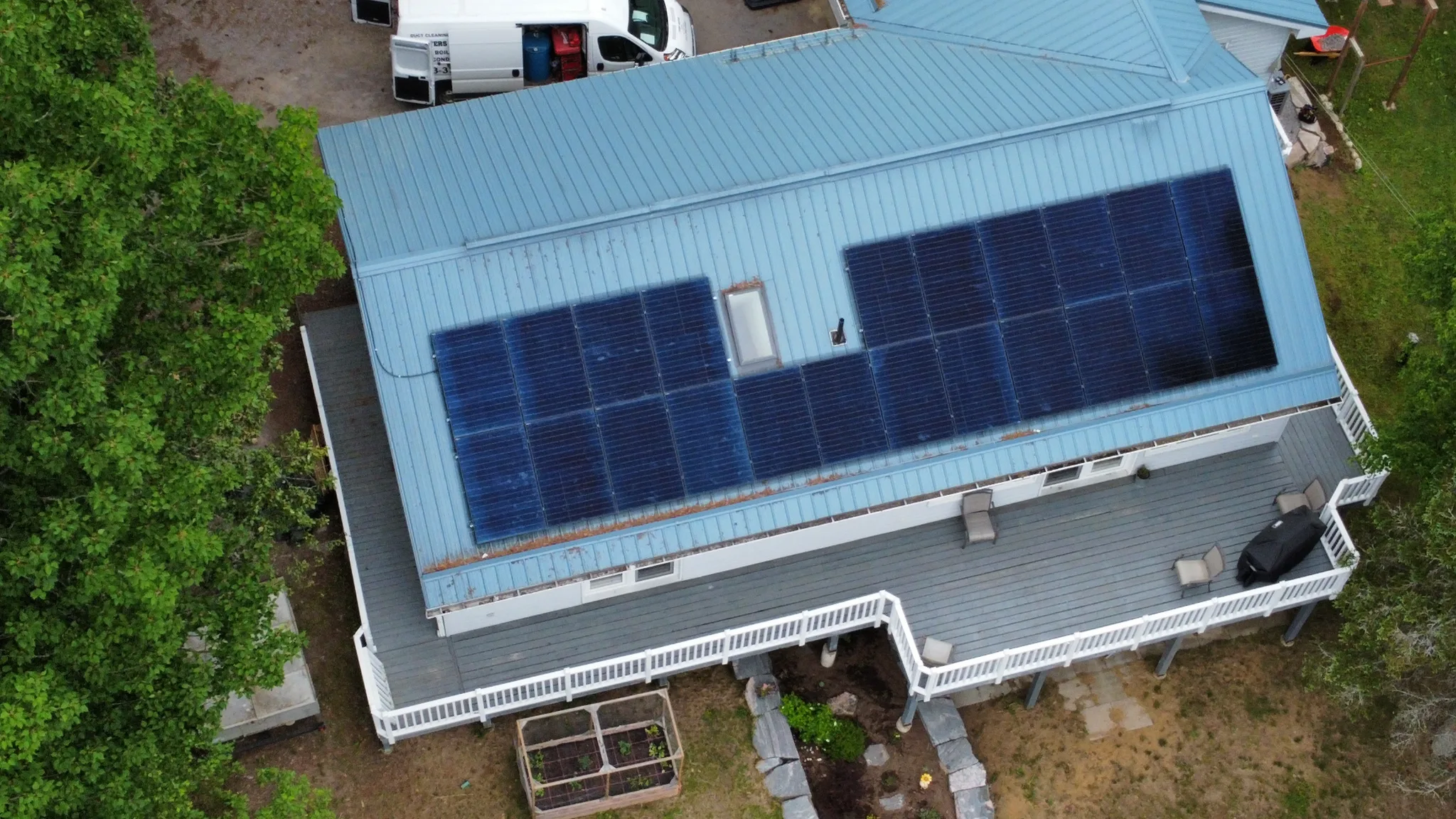
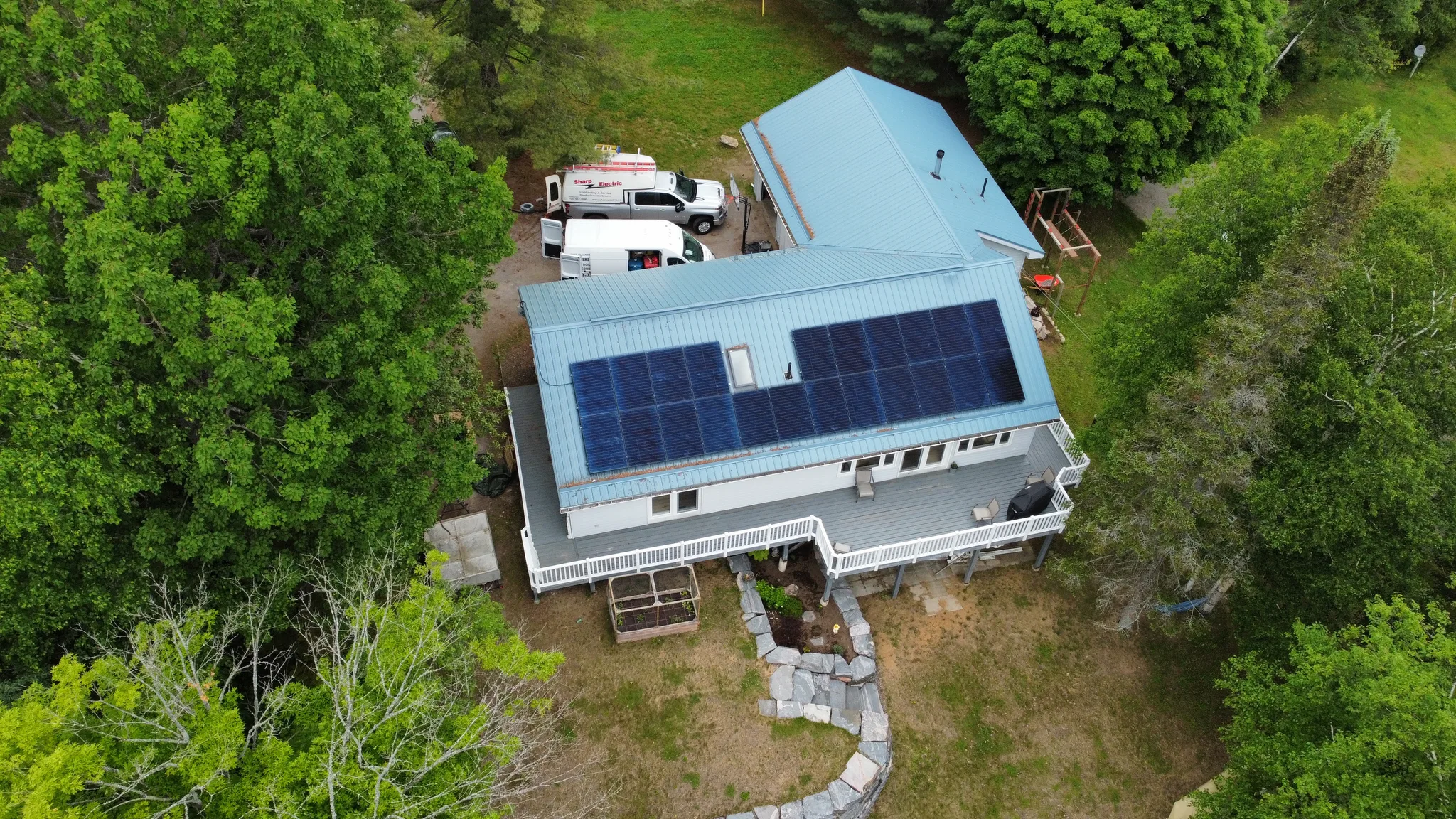
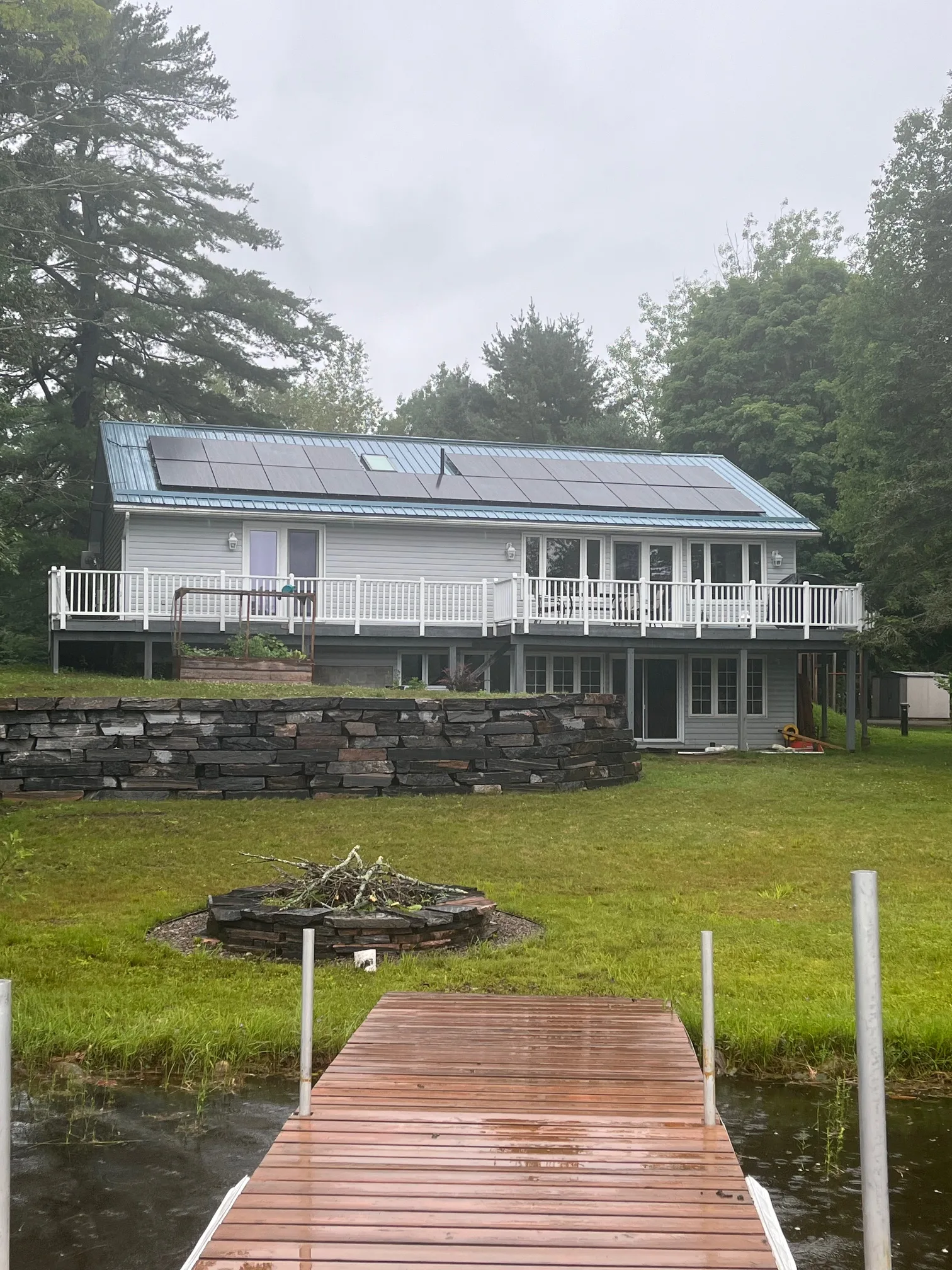
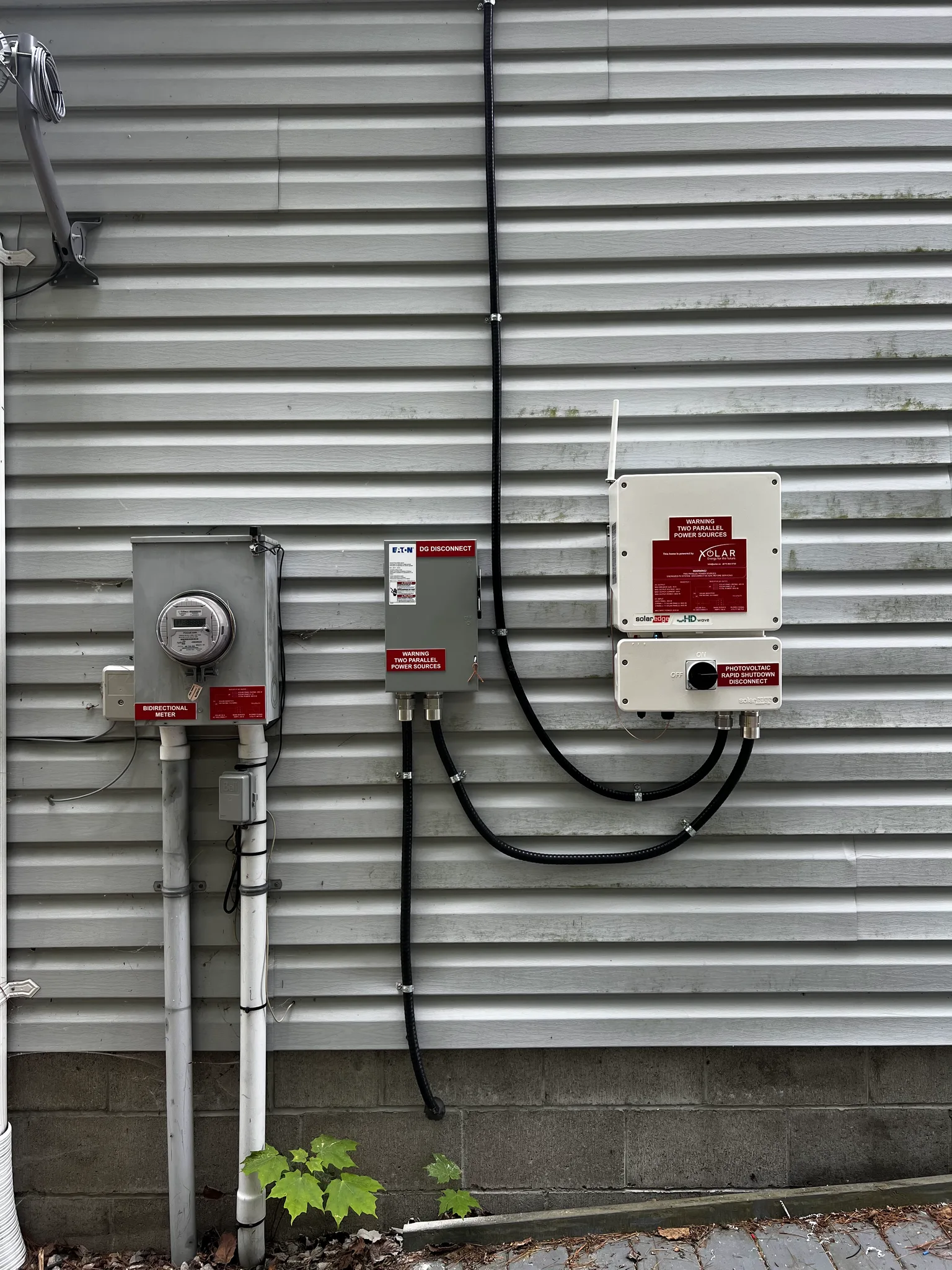
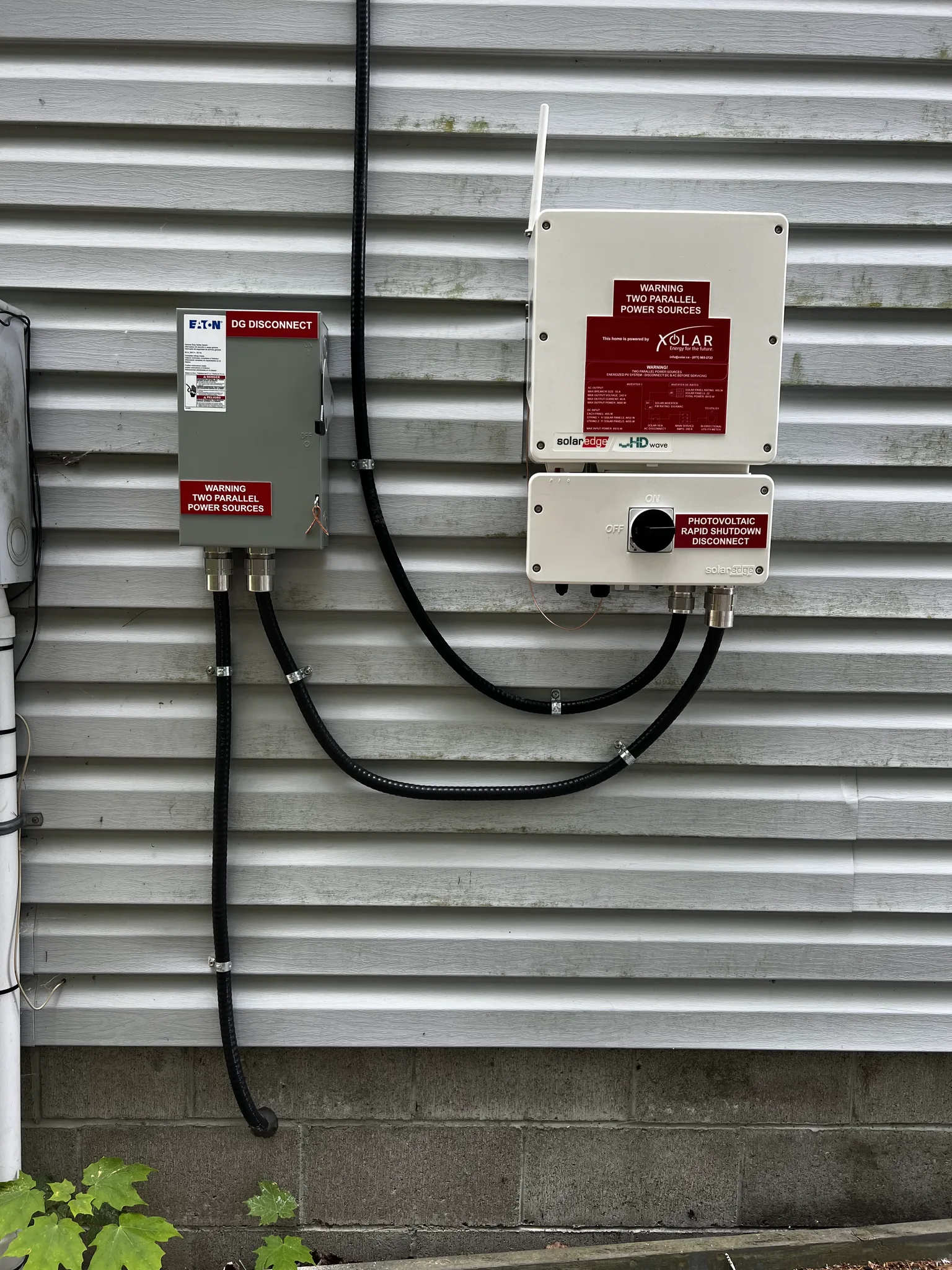
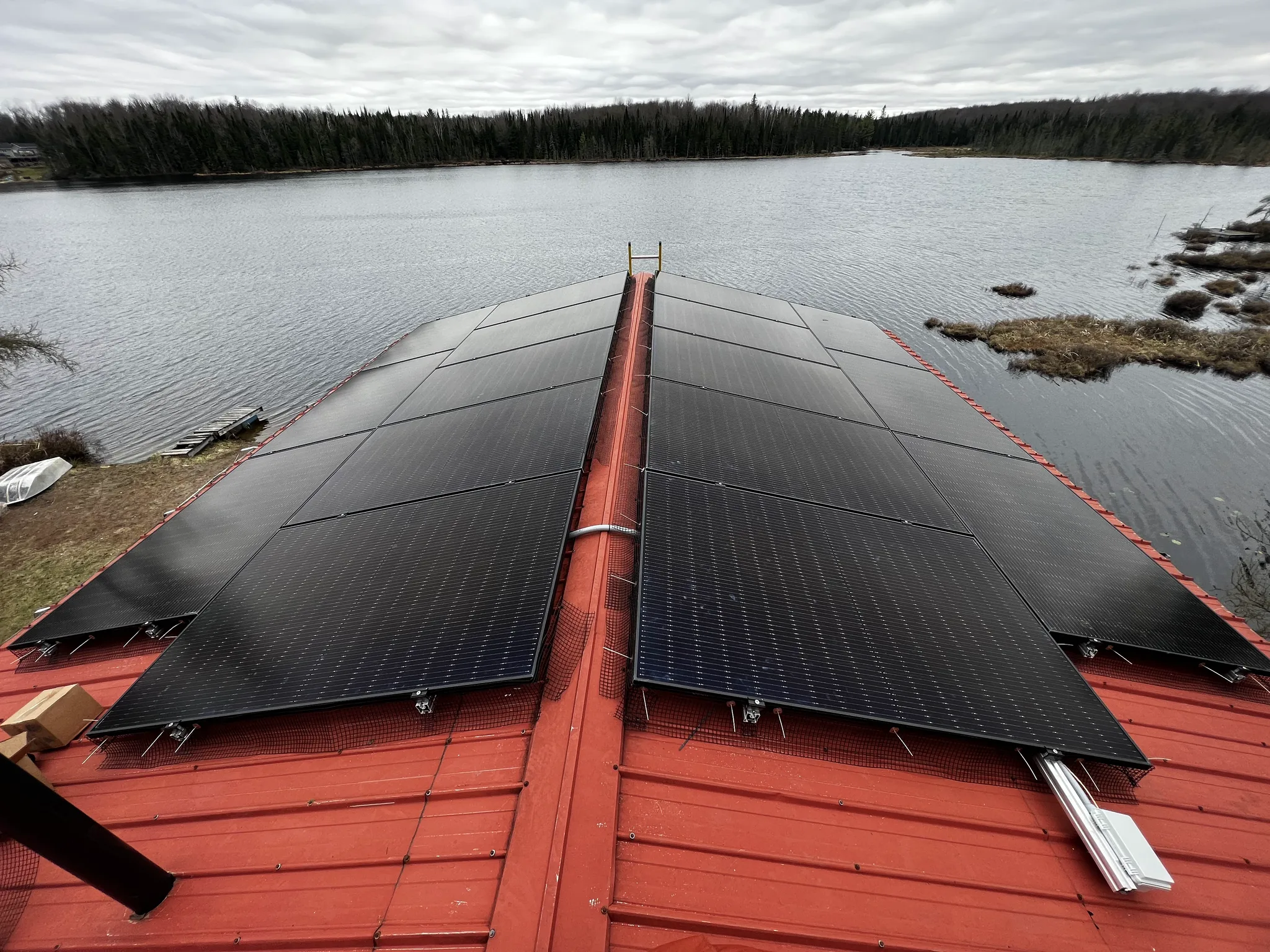
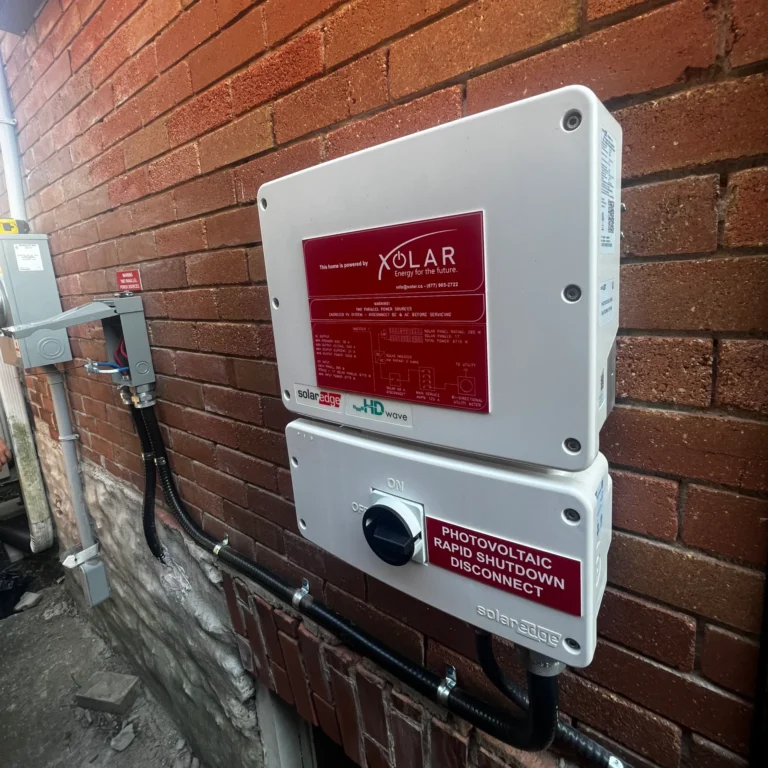
Huntsville — 8.9 kW rooftop
Completed May 2024
Real Xolar installs in Huntsville
Completed systems across the Huntsville service area — first-hand specs, not industry averages.
Swipe for more installs →
What 10 real Huntsville installs tell us
Aggregated from completed Xolar systems in Huntsville — first-hand data, not industry averages.
Huntsville energy & net metering
What Lakeland Power charges here, and how surplus solar is credited in Ontario.
Ontario’s Time–of–Use electricity rates range from 9.8¢/kWh (off–peak) to 20.3¢/kWh (on–peak), with mid–peak at 15.7¢/kWh (OEB RPP, Nov 2025–Oct 2026). Huntsville electricity is distributed by Lakeland Power. Rural and cottage–country areas often have higher delivery charges, making solar savings even more valuable.
Lakeland Power Time-of-Use rates in Huntsville
Electricity prices per kilowatt-hour — OEB Regulated Price Plan, Nov 2025 – Oct 2026. The Ontario Energy Board sets them province-wide; only delivery charges differ by utility.
On-peak power costs 2.1× off-peak, and on summer weekdays (May to October) on-peak runs 11 a.m. to 5 p.m., the hours a rooftop array produces most. So the power a Huntsville system offsets is the most expensive power the household buys.
How your system works behind the meter
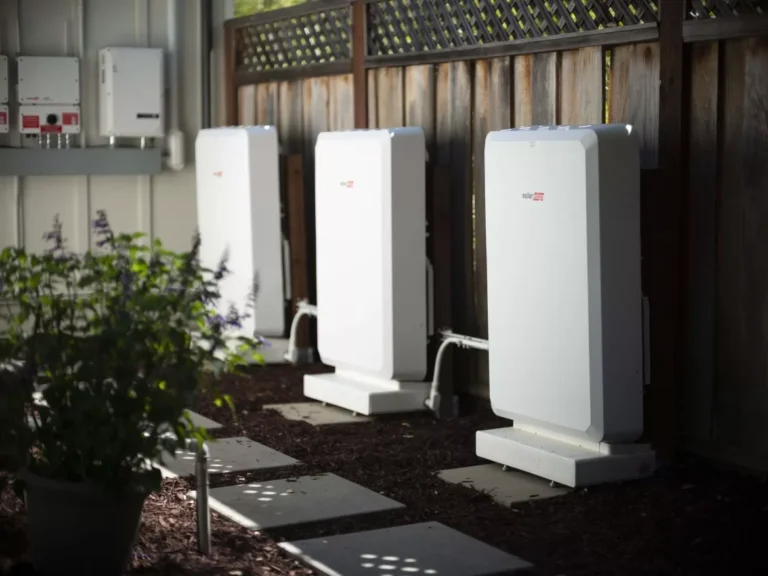
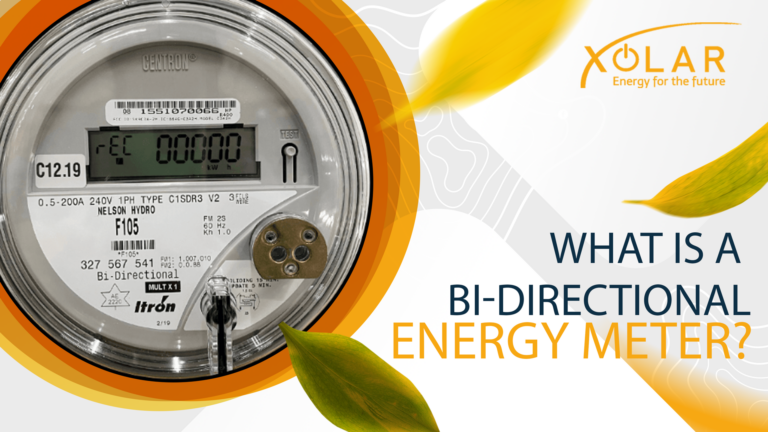
Most of a Huntsville system's value comes from power used behind the meter — electricity your panels make and your home uses on the spot, offsetting energy you'd otherwise buy at 9.8–20.3¢/kWh. Only the surplus flows past the meter to Lakeland Power for net-metering credit.
Rebates & incentives in Huntsville
Every active local, provincial, federal and Xolar program a Huntsville homeowner can stack. How the HRSP works, who qualifies and how to apply: Ontario solar rebates and incentives .
- Free heat pump install (valued up to $25,000) in Ontario for income-eligible homes with electric or oil heatOil to Heat Pump Affordability (Ontario, via Save on Energy)
- Up to $7,500 (air-source) / $12,000 (ground-source)Home Renovation Savings Program (HRSP) – Heat Pump
- Up to $5,000Home Renovation Savings Program (HRSP) – Solar
- Up to $5,000Home Renovation Savings Program (HRSP) – Battery
- Up to $1625Fall 2026 Sale – Battery
- Up to $2550Fall 2026 Sale – Solar
- Up to $475Fall 2026 Sale – Heat Pump
Heat pump installation in Huntsville
Xolar installs cold-climate heat pumps in Huntsville as well as solar. A ductless heat pump starts at $13,997 installed for one zone, and a central ducted system at $14,997, before rebates and tax.
The rebate is paid per ton, so a typical 3-ton system earns $3,750 in an electrically heated home. Pre-approval is required before installation.
Heat pump packages and prices → · How the Ontario heat pump rebate works →
Solar Panels in Huntsville, Ontario - Muskoka Region
Huntsville in the Muskoka region produces 1,050 kWh per kW annually. While lower than southern Ontario, this is still viable for solar. Lakeland Power distributes electricity. Higher delivery charges in rural areas make solar savings even more valuable.
Ontario’s net metering program credits excess solar at the full retail rate. Battery storage pairs well with solar in cottage country for backup power. HRSP ($10K) or net metering available – but not both.
Ontario HRSP - Up to $10,000 for Solar + Battery
Ontario’s Home Renovation Savings Program (HRSP), launched January 2025, offers:
- Up to $5,000 for solar panels ($1,000/kW)
- Battery storage at $300/kWh up to $5,000
- HRSP maximums are per category rather than one shared pot: up to $10,000 for solar and storage, up to $12,000 for heat pumps, up to $7,700 for insulation
Important – HRSP vs. Net Metering: Solar installed under HRSP must be sized for on-site load displacement only – net metering is not permitted under HRSP. If you prefer net metering (earning 1:1 credits for excess solar), you would not apply through HRSP. Your Xolar advisor can help determine which option provides the best return.
Note: The Canada Greener Homes Grant and Loan programs are now closed.
A Typical Huntsville System Lands Exactly on Ontario's 12 kW Threshold
Of every city on this site that quotes a typical system size, Huntsville’s is the largest: 12 kW, where the rest of the country sits at 10 kW or below.
That matters more here than a large number usually would, because 12 kW is also precisely where Ontario draws an administrative line. At or under 12 kW a residential project is micro-embedded generation and follows the shorter connection route. Above it, the standard embedded generation process applies, with more engineering review and a longer timeline. The Ontario Energy Board raised that ceiling from 10 kW on 1 May 2026, and it reaches Huntsville through Lakeland Power exactly as it reaches every other Ontario city through its own utility.
So the typical Muskoka system sits on the boundary rather than comfortably inside it. A design at 11.5 kW and one at 12.5 kW look nearly identical on a quote sheet and are not the same project administratively.
Why are systems larger here? Because the bills are. Huntsville’s average saving of about $2,450 a year is the second-highest of any Ontario city, behind only Thunder Bay, despite modelled production of only 1,050 kWh per kW. Muskoka properties tend to be larger, frequently electrically heated, often on well and septic with pumps running year round, and many are on lakes with boathouses and outbuildings drawing load.
The practical instruction is blunt: ask your installer early whether the design lands over or under 12 kW, and what crossing it adds in time. In most of Ontario that is a fringe question. In Huntsville it is the central one.
Moderate Sun, Large Bills, and the Second-Best Saving on This Site
Huntsville is modelled at 1,050 kWh per kW a year. That is moderate — level with Thunder Bay and Sudbury, well behind Chatham-Kent at 1,210, and better only than Sault Ste. Marie’s 1,030 among Ontario cities.
And yet the average saving quoted here, about $2,450 a year, is the second-highest of any Ontario city, behind only Thunder Bay — and among the ten highest of the 102 places on this site, in company with Yellowknife and the Saskatchewan cities.
The reconciliation is the same one that applies in Sudbury and Thunder Bay, only more so. A solar system is sized to the bill it offsets, not to the latitude. Muskoka households run large electrical loads: electric heating in many properties, well pumps, septic pumps, outbuildings, and in a good number of cases a second building on the lot. The 12 kW typical system on this page is the arithmetic consequence — a large system on moderate sun displaces more than a small system on good sun.
What that does not do is shorten the payback, which runs 9 to 12 years. A 12 kW system costs meaningfully more to buy than the 9 kW typical of southwestern Ontario, so the larger annual saving is bought with a larger cheque.
One genuinely local consideration: seasonal properties. A cottage occupied for part of the year has a very different consumption profile from a permanent residence, and Ontario’s net metering credits carry forward for twelve months, which helps but does not make a low-occupancy property behave like a full-time one. If the building is not occupied year-round, size it against actual metered consumption rather than against the roof or a neighbour’s system.
Explore More Solar Resources
10 installs in Huntsville · 270 across Ontario · 549 nationwide
Completed Xolar installations — each dot represents a city where we've installed solar.
Areas We Serve in Huntsville
Professional solar panel installation available in these Huntsville neighborhoods and communities:
What Huntsville homeowners say
Swipe for more reviews →
"They provided a very thorough proposal and walked us through it in detail."

"Robin was very helpful in so many ways. Knowledgeable ,friendly ,and and her genuine positivity is contagious. This part of the process was second to none.The estimate was done quickly and truly informative.Thank you Robin!!"

"Answered my questions waiting to see if it’s a go"

Huntsville solar questions
Does solar work in Huntsville?
Yes. 1,050 kWh/kW is lower than southern Ontario but still viable.
Long summer days help offset shorter winters.
Higher Lakeland Power delivery charges make solar savings more valuable.
HRSP ($10K) or net metering available.
What solar rebates are available in Huntsville?
Ontario’s HRSP provides up to $5,000 for solar + battery storage at $300/kWh up to $5,000 (heat pumps carry a separate $12,000 maximum).
Important: HRSP solar cannot use net metering – customers must choose one or the other.
The federal Greener Homes programs are now closed.
Who provides electricity in Huntsville?
Lakeland Power distributes electricity in the Huntsville/Muskoka area.
Ontario’s Time-of-Use rates: 9.8¢ off-peak, 15.7¢ mid-peak, 20.3¢ on-peak.
Rural areas often have higher delivery charges.
Is battery storage worth it in Muskoka?
Battery storage pairs well with solar in Muskoka for backup power during outages.
HRSP provides battery storage at $300/kWh up to $5,000.
The Tesla Powerwall is a popular choice for cottage-country homes.
Will my Huntsville system be over Ontario's 12 kW threshold?
It might, and here that is a real question rather than a fringe one.
This page quotes a typical Huntsville system of 12 kW — the largest of any city on this site — which sits exactly on Ontario’s micro-embedded generation limit.
At or under 12 kW you get the shorter connection route; above it, the standard embedded generation process applies, with more review and a longer timeline.
The Ontario Energy Board raised that ceiling from 10 kW on 1 May 2026, and Lakeland Power applies it as every Ontario distributor does.
Ask your installer early whether the design lands over or under, and what crossing it adds in weeks.
I have a seasonal cottage. Does solar still make sense?
It can, but it should be sized differently.
A property occupied for part of the year has a much smaller annual consumption than a permanent residence, and since the value of solar comes mostly from electricity you do not buy, a system sized as though the building were occupied year-round will overshoot.
Ontario’s net metering credits do carry forward for twelve months, so summer generation can offset shoulder-season and winter bills — but credits expire at the twelve-month mark, so generation beyond your annual consumption is not banked indefinitely.
Size against twelve months of actual metered use at that property, not against the roof and not against a neighbour’s system.
Get your free Huntsville solar quote
A personalized proposal in 24 hours — system size, real pricing, and every rebate you qualify for. No pressure, no obligation.

Takes about a minute — no pressure, no obligation.
Solar system packages
All include install, permits & 25-yr warrantyMost popular choice for average Canadian homes
Solar installation across Ontario
We serve homeowners province-wide. View all Ontario service areas → Outside Ontario? Find a solar installer near you →