"Pitch was made at my level with strong patience for questions"

R Arnold
Keep your essentials, or your whole home, running through outages, and store your solar energy to use when power costs the most. Prepare for the unexpected with reliable and scalable energy storage solutions.
Updated
Get a personalized backup-batteries proposal in 24 hours
Prefer to discuss your project first? Contact us or view our detailed quote form
Yes. Ontario's Home Renovation Savings Program pays $300 per kWh of battery storage, up to 50% of the cost and up to $5,000, when the battery is installed with new solar panels. Solar earns its own rebate of $1,000 per kW, up to $5,000, so a solar-plus-battery system can get up to $10,000 back.
| Battery rebate | $300/kWh, up to $5,000 (max 50% of cost) |
|---|---|
| Example: one 13.5 kWh battery | $4,050 back |
| Solar rebate (same program) | $1,000/kW, up to $5,000 |
| Combined maximum | $10,000 |
Two conditions decide it: the battery has to come with new solar (a battery added to existing panels doesn't qualify), and a system that takes the rebate can't also use net metering. It has to be sized for your own use. All rebates by province.
Backup power, bill savings and energy independence from one wall-mounted unit.
Automatic transition to battery power during outages. Keep your lights, appliances, and critical systems running.
Store excess solar energy during the day and use it at night or during peak rate periods.
Reduce reliance on the grid and protect yourself from power outages and rising electricity costs.
Automatically charge when electricity rates are low and discharge when rates are high for maximum savings.
Track your energy production, consumption, and battery status in real-time via mobile app.
Start with one battery and add more as your needs grow. Modular systems grow with your home.
Home backup battery systems installed by Xolar crews.
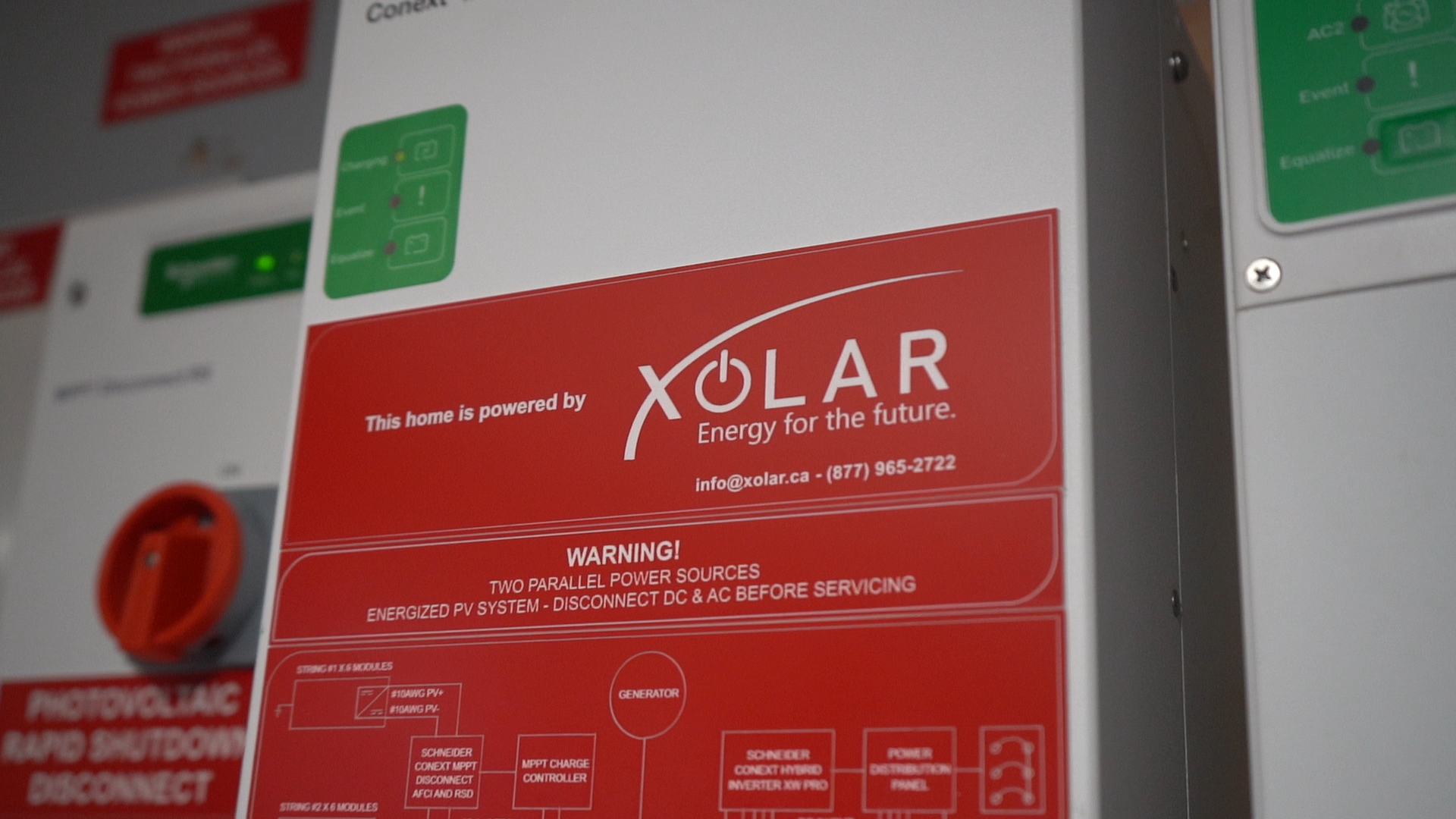
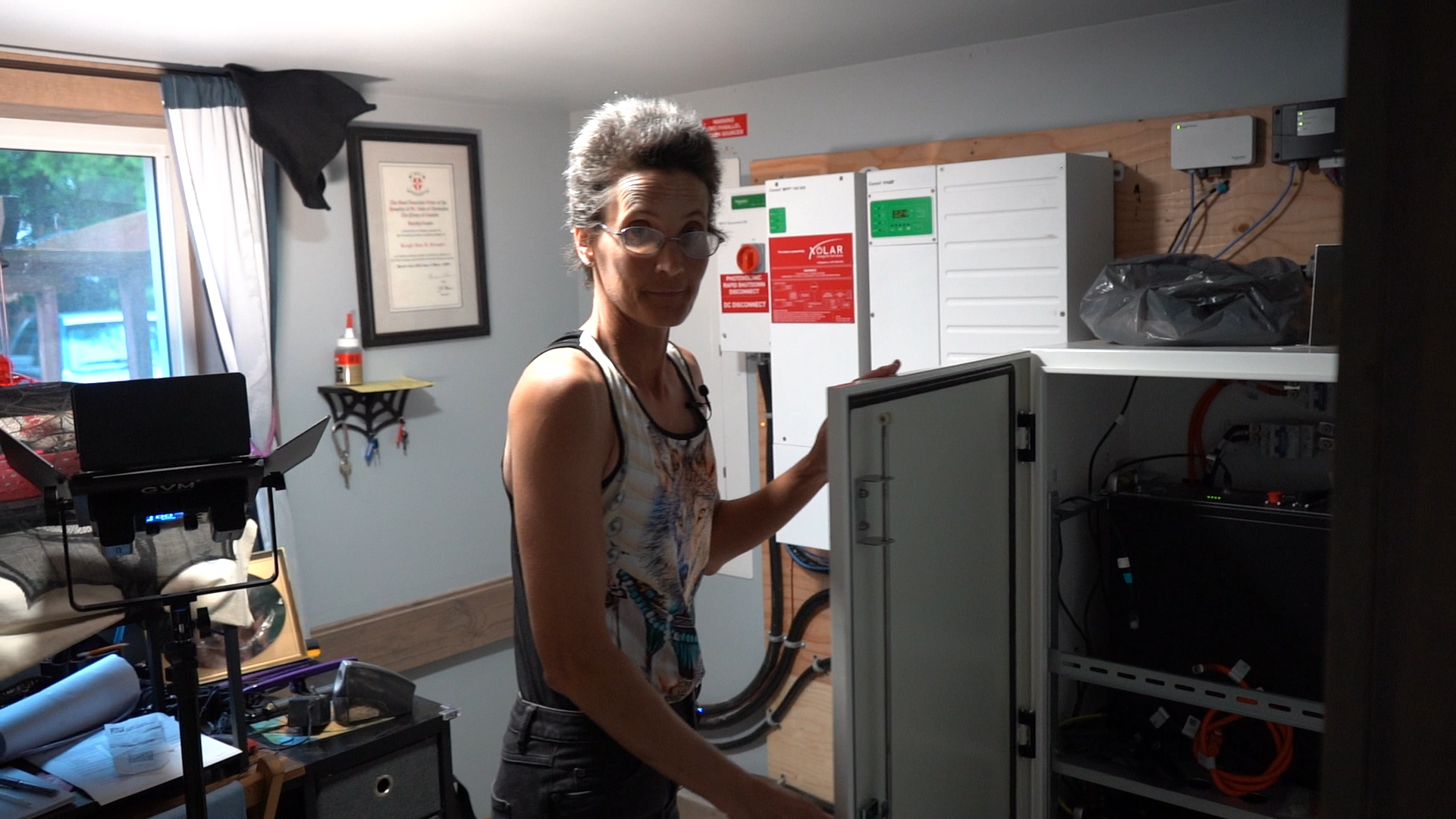
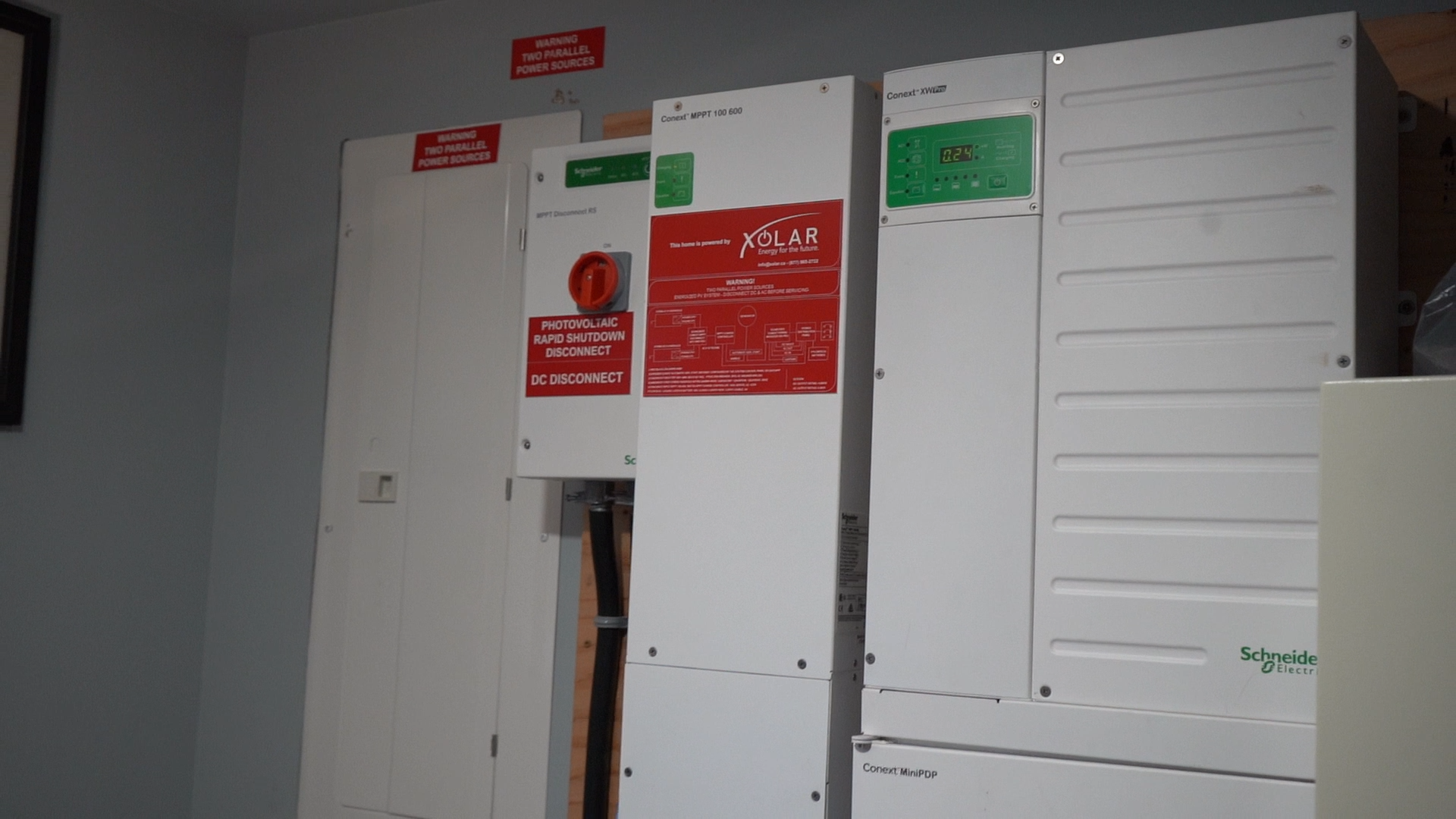
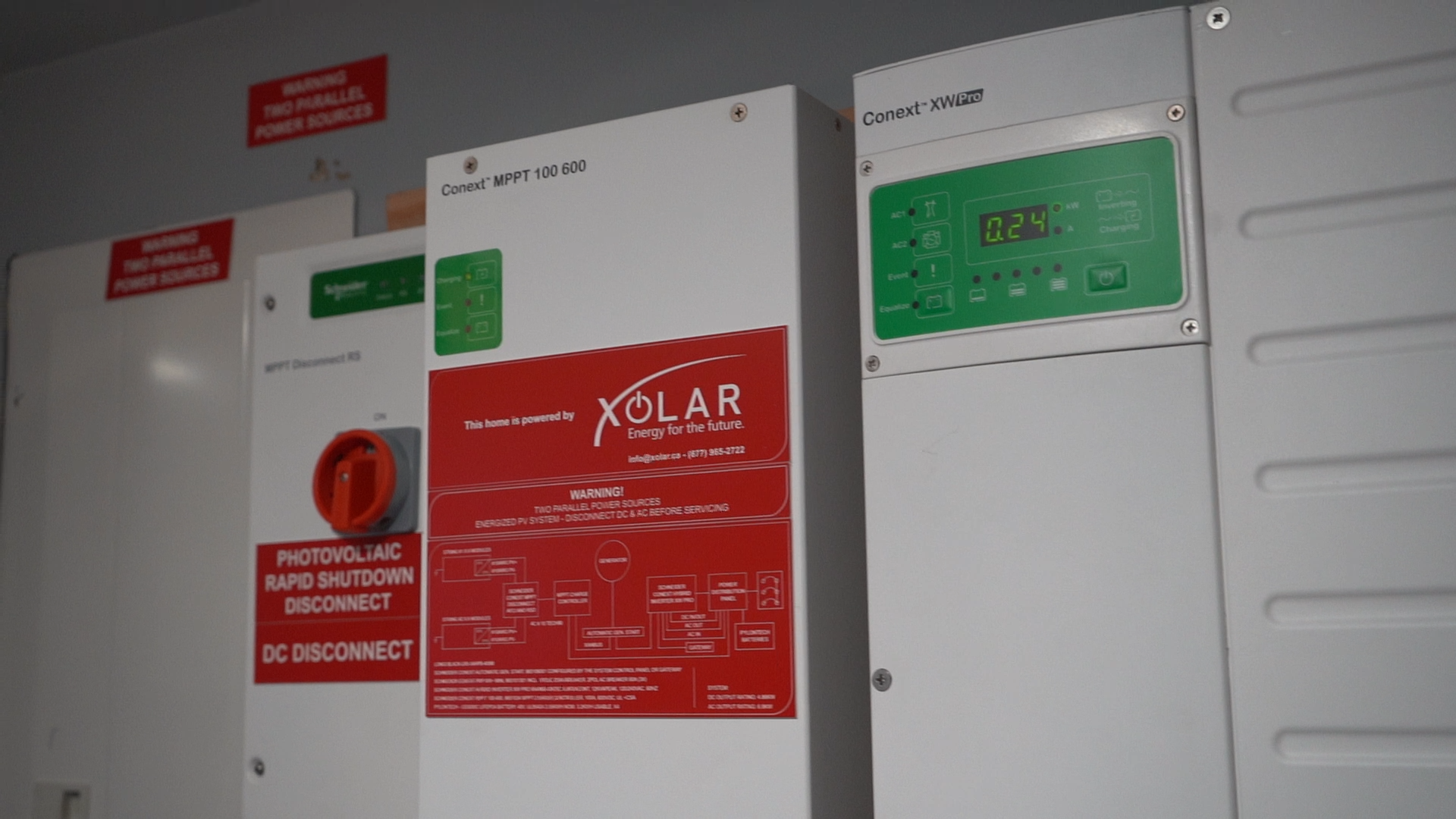
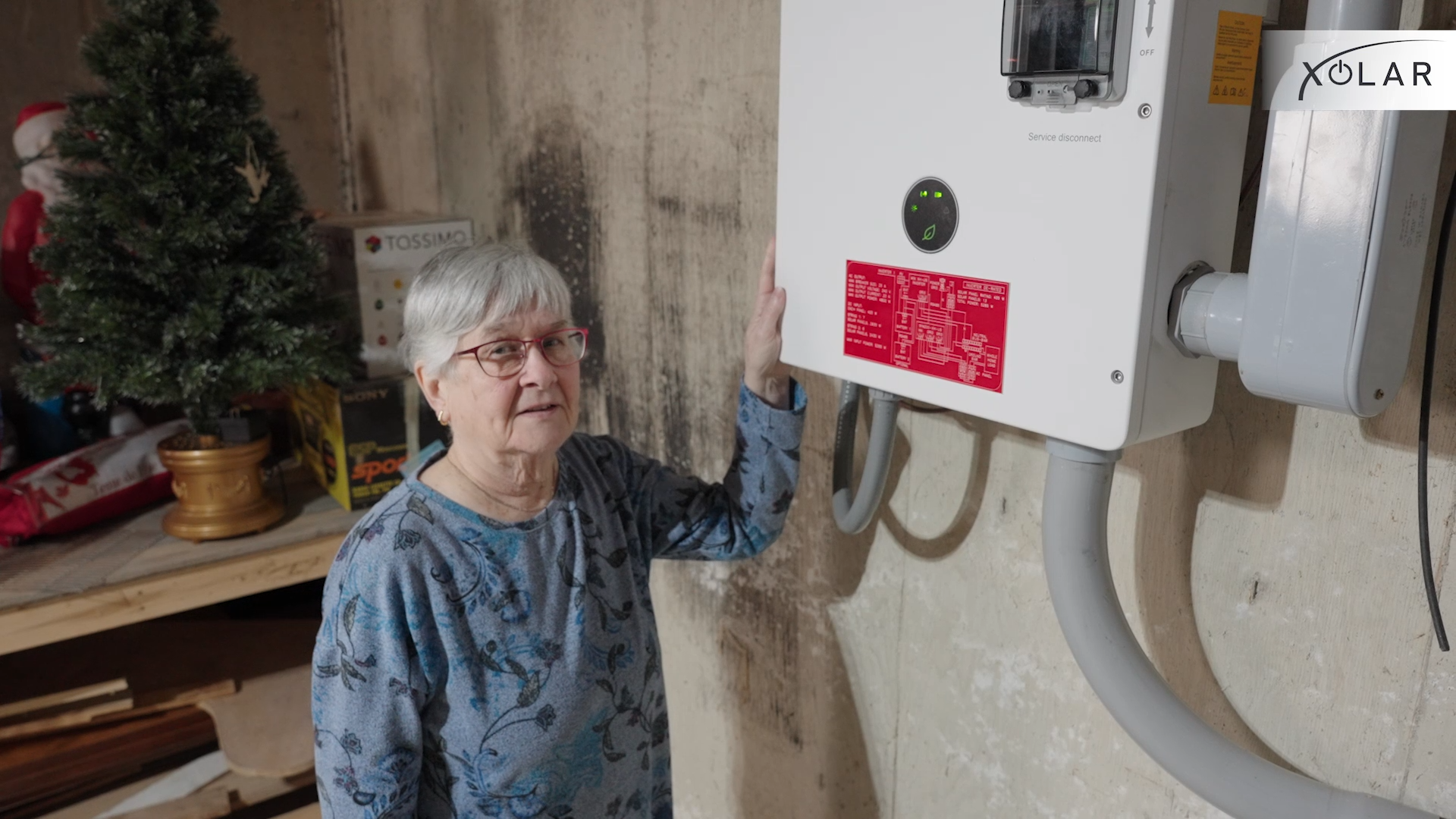
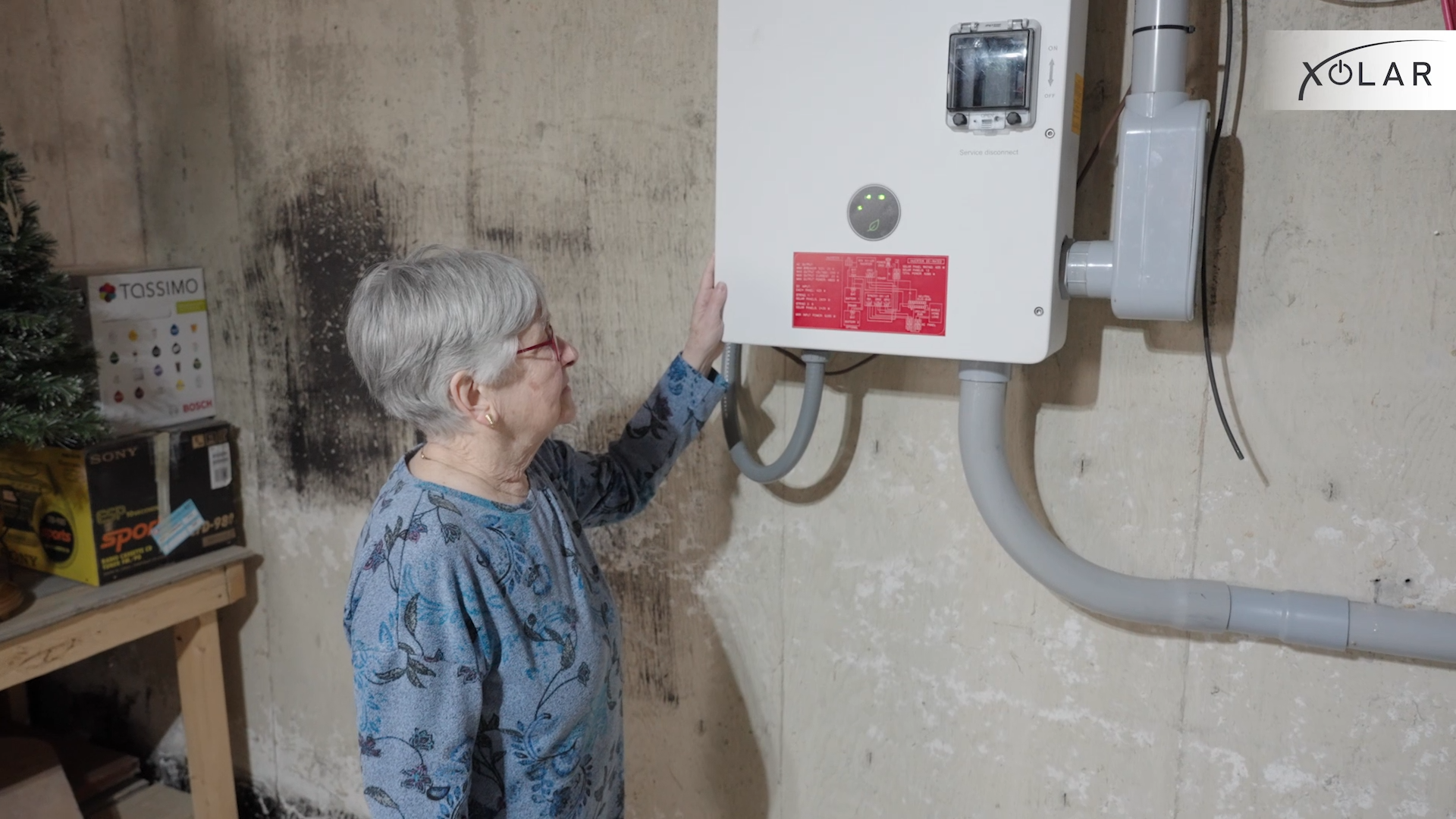
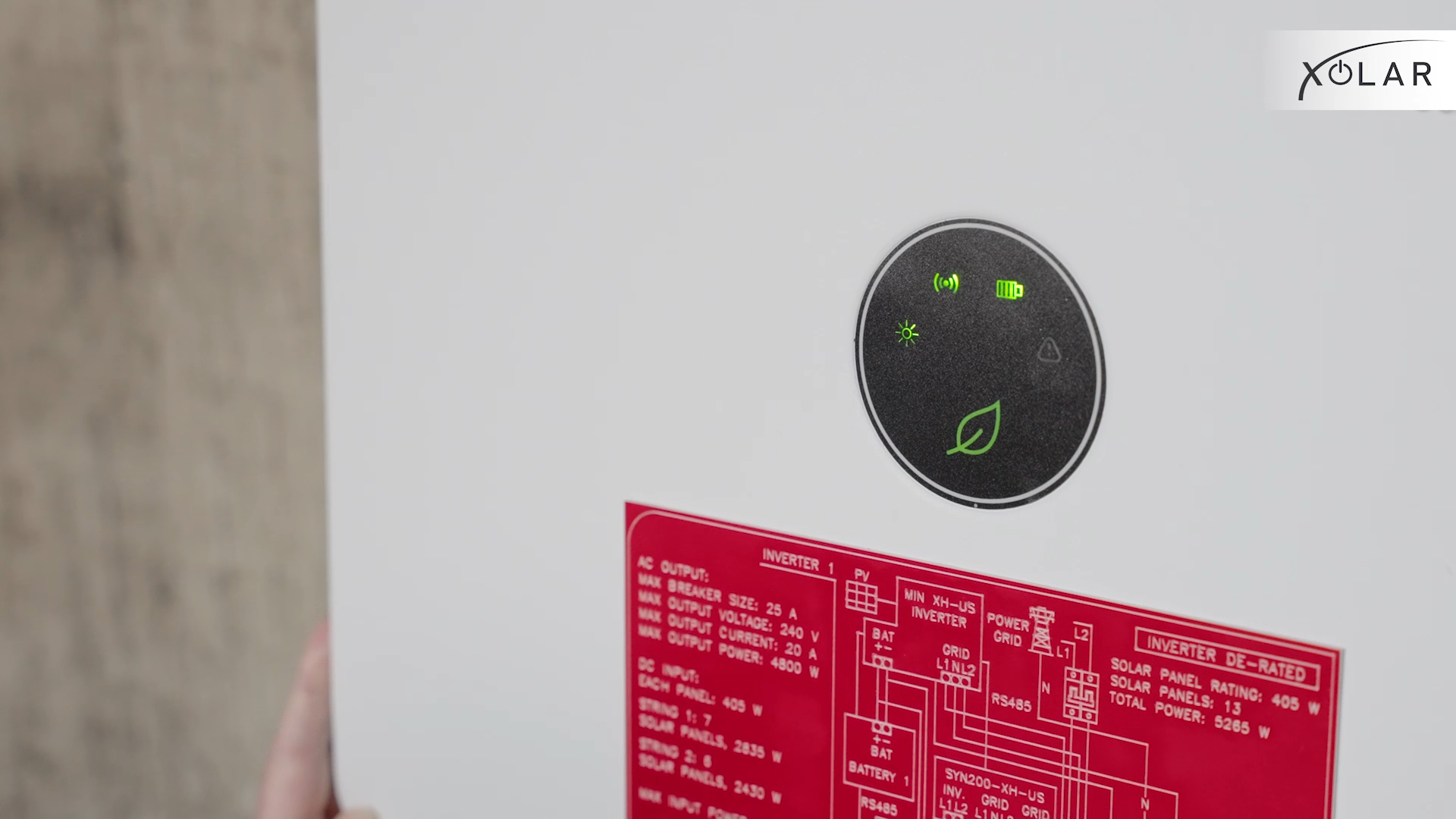
Solar or cheap overnight grid power fills the battery during the day or off-peak hours.
Lithium cells store it safely until your home needs it most.
The home runs on stored energy when grid rates spike — no extra cost.
Transparent pricing with no hidden fees. Choose the package that fits your needs.
Prices before incentives. Every install includes design, permits, installation and warranty.
Ontario's Home Renovation Savings Program covers up to $5,000 on a battery installed with new solar panels, on top of up to $5,000 for the solar. A system that takes these rebates can't also use net metering. Other provinces vary, so check the rebate finder.
Charge the battery from solar or cheap overnight power and discharge it during expensive peak hours. In time-of-use provinces that shift trims hundreds off your yearly bill.
Cost, runtime, brands, solar pairing and rebates.
Solar batteries store the excess energy your
solar panels generate during the day so you
can use it when the sun isn’t shining. Without a battery, surplus solar energy goes to
the grid through net metering. With a battery, you keep
that energy for yourself, using it at night, during peak rate hours, or when the power
goes out.
For Canadian homeowners, three factors make batteries especially valuable. First,
grid reliability: ice storms, wildfire smoke events, and aging
infrastructure cause outages across every province. A battery keeps your home running
when the grid fails. Second, time-of-use optimization: in Ontario and
parts of BC, electricity costs 2x more during peak hours. Batteries charge at off-peak
rates and discharge during expensive periods, saving money every day. Third,
net metering gaps: provinces like Manitoba (7.17¢/kWh export) and Saskatchewan (7.5¢/kWh) pay less for exported energy than what you pay to
buy it back, making self-consumption via battery storage more profitable than
exporting.
Xolar’s installed home battery systems start at $19,500 for essential backup (2× Growatt APX, 10 kWh), $27,250 for whole-home backup with one Tesla Powerwall 3 (13.5 kWh), and $42,500 for two Powerwalls (27 kWh). Prices are battery-only and installed; see our
pricing page for solar + battery systems.
Provincial rebates can offset a significant portion. Ontario’s HRSP offers
$5,000 for battery storage installed with a new solar system (on top of up to $5,000 for the solar, $10,000 combined). BC Hydro offers up to $1,500 for a battery installed with solar, or $5,000 if the battery is enrolled in Peak Saver (Tesla batteries are excluded). NWT’s AEA program offers up to
$20,000 for diesel communities.
Check all available rebates in your province →
Lithium iron phosphate (LFP) is used in the Tesla Powerwall 3, Enphase IQ and most modern home batteries. It is the safest lithium chemistry for homes, rated for 6,000+ cycles (15+ years), with lower energy density but longer life than NMC. This is what we recommend for Canadian homes.
Nickel manganese cobalt (NMC) is used in some SolarEdge batteries and older designs. Higher energy density means a smaller unit for the same capacity, with a 3,000–5,000 cycle lifespan. It is safe with proper thermal management, but it doesn’t last as long as LFP.
Lead-acid is older technology still used at off-grid cabins. It is much cheaper upfront, but only 50% of its capacity is usable, it lasts 500–1,000 cycles (3–5 years) and it needs ventilation. It is not recommended for grid-tied homes.
| Battery | Capacity | Power | Efficiency | Best for |
|---|---|---|---|---|
| Tesla Powerwall 3 | 13.5 kWh | 11.5 kW | 90% | Whole-home backup, highest power output |
| Enphase IQ Battery 5P | 5 kWh (stackable) | 3.84 kW | 90% | Microinverter systems, modular scaling |
| SolarEdge Energy Bank | 9.7 kWh | 5 kW | 94.5% | DC-coupled efficiency, SolarEdge systems |
The right choice depends on your inverter platform, how much of the house you want backed up, and your budget. See detailed Tesla Powerwall specs →
Real reviews from real customers who made the switch to solar.
"Pitch was made at my level with strong patience for questions"
"Great presentation, well explained and covered every aspect of the process.Thank you"

"Very knowledgeable- professional- great information provided"

"Pitch was made at my level with strong patience for questions"
"Great presentation, well explained and covered every aspect of the process.Thank you"
"Very knowledgeable- professional- great information provided"

Protect your home with reliable backup battery storage.
Xolar installs the whole setup — here's what pairs well with this.
Cut your power bill with a custom rooftop solar system.
Learn more →Store your solar energy and keep the lights on in an outage.
Learn more →Efficient heating and cooling that runs on your solar.
Learn more →Charge your EV at home from your own clean solar power.
Learn more →