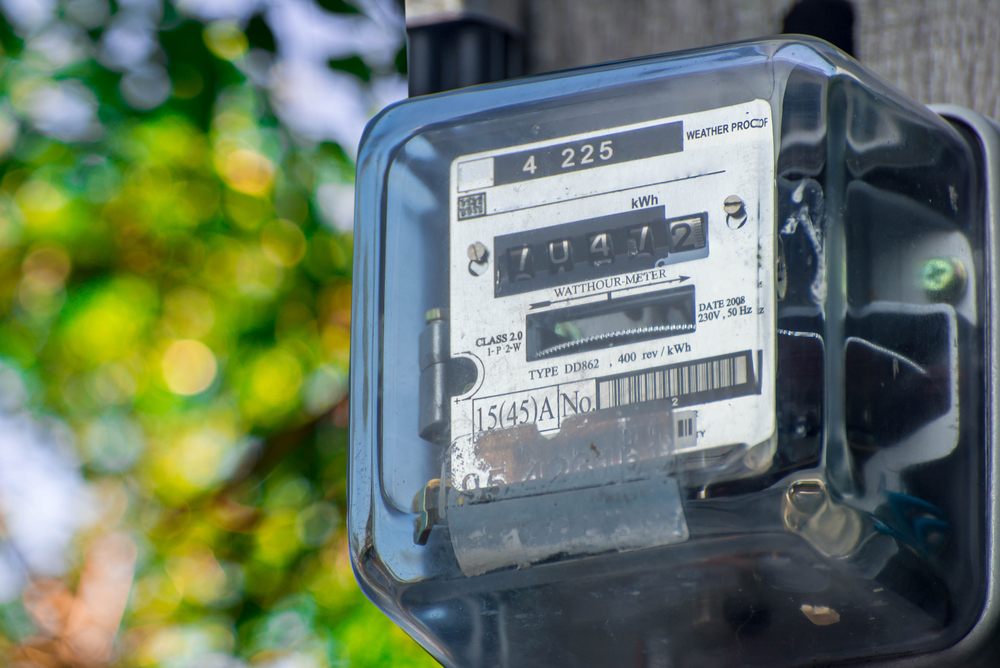
Quick answer: Energy arbitrage means storing or buying electricity when it is cheap and using it when it is expensive. In Ontario, a home battery on the Ultra-Low Overnight plan can charge overnight at 3.9¢/kWh and power your home on weekdays from 4 to 9 p.m., when grid power costs 39.1¢/kWh, ten times as much.
Key takeaways
- A home battery backup system is what makes arbitrage work: it stores cheap or solar power and releases it when grid prices peak.
- Ontario Time-of-Use prices are 9.8, 15.7 and 20.3¢/kWh. The Ultra-Low Overnight plan runs from 3.9¢ overnight to 39.1¢ on weekday evenings. Prices reset every November 1.
- Solar on its own earns net metering bill credits. A battery adds the ability to move power from cheap hours to expensive ones.
- If your solar or battery takes the Home Renovation Savings rebate, it cannot also be on net metering, so plan your rate strategy before you apply.
- Savings depend on your usage, rate plan and battery size.
What is Energy Arbitrage?
If you’re looking into solar energy or strategies to lower your electricity bill, you may have come across something referred to as “energy arbitrage.” Energy arbitrage allows you to take advantage of fluctuating electricity prices, especially in areas with time-of-use (TOU) electricity rates. Solar panels and a home battery backup system are the two tools that make it work.
If you are on a time-of-use (TOU) billing system with your electricity provider, it means that you are getting charged different rates for your electricity usage at different times of day. In Ontario, the Ontario Energy Board sets these prices once a year on November 1. From November 1, 2025 to October 31, 2026, Time-of-Use prices are 9.8¢/kWh off-peak (weekday nights and all weekend), 15.7¢ mid-peak and 20.3¢ on-peak. The Ultra-Low Overnight (ULO) plan has a much wider spread: 3.9¢ from 11 p.m. to 7 a.m. every day, 9.8¢ on weekend days, 15.7¢ mid-peak and 39.1¢ on-peak from 4 to 9 p.m. on weekdays.
In the simplest terms, energy arbitrage means buying electricity when it’s cheapest and using or storing it for times when rates are higher. Net metering adds a second lever for solar owners: excess solar power you send to the grid earns credits on your bill. Under Ontario’s net metering regulation, these are bill credits, not cash, they are calculated on the same basis as your electricity charges, and unused credits expire after 12 months. Depending on system size and usage, they can offset a large share of your bill.
How Does Energy Arbitrage Work with Solar?
Solar energy pairs perfectly with energy arbitrage, especially if you’re in a TOU billing area. With solar panels, you’re generating electricity during the day. On Ontario Time-of-Use in summer (May to October), the weekday on-peak price runs from 11 a.m. to 5 p.m., when panels produce the most. In winter, on-peak moves to 7 to 11 a.m. and 5 to 7 p.m., and on the ULO plan the on-peak window is 4 to 9 p.m. on weekdays, when solar output is falling. That gap between solar hours and peak hours is where a battery earns its keep.
Daytime Solar Production at Peak Rates
During daylight hours, your solar panels are generating power for your home, which happens to coincide with the highest energy rates in a TOU plan. This means you’re using the solar power you produce instead of buying grid power at daytime prices. Any excess solar energy you don’t use goes to the grid through net metering, where it earns credits on your bill.
This is how you build up credits that can cover energy you use at night or in winter. Credits carry forward from bill to bill but expire after 12 months, so they work best when your system is sized to your yearly usage.
Nighttime Energy Use at Off-Peak Rates
In the evening and nighttime, when your solar panels aren’t generating power, you might need to draw from the grid. This is where energy arbitrage comes in: you’re now buying electricity at the cheaper, off-peak rates. Credits from your daytime surplus can help cover these off-peak costs. With a battery you can go further: charge it from solar, or from the grid at 3.9¢/kWh overnight on ULO, and run your home from the battery during the 4 to 9 p.m. weekday peak instead of buying grid power at 39.1¢/kWh.
Energy arbitrage with a home battery in Ontario
A battery is what turns a price gap into savings. On the ULO plan, the gap between the overnight price (3.9¢/kWh) and the weekday on-peak price (39.1¢/kWh) is 35.2¢ for every kilowatt-hour you shift, before battery losses. A Tesla Powerwall 3 stores 13.5 kWh and can deliver up to 11.5 kW continuously, according to Tesla’s Powerwall 3 datasheet.
Ontario’s Home Renovation Savings Program pays $300 per kWh of battery storage, up to $5,000 and no more than 50% of the cost, for a battery installed with a new solar system. You need written pre-approval before you buy. Systems that take this rebate cannot be on net metering, so the solar and battery only power your own home. In that setup, shifting power with the battery replaces net metering credits as the main way to get value from your solar. To compare plans, see how Ontario’s Ultra-Low Overnight plan works.
Get your exact solar price
A free, no-obligation quote and custom design for your home — in about 24 hours.
Get Your Free Solar Quote
Get a personalized solar proposal in 24 hours
Prefer to discuss your project first? Contact us or view our detailed quote form
The Financial Benefits of Solar-Powered Energy Arbitrage
The strategy of energy arbitrage with solar has financial perks that go beyond just producing your own electricity. Here’s how it benefits your budget:
- Lower Overall Costs: By using electricity generated by your solar system during peak rate times and buying from the grid only when rates are low, you reduce how much you spend on electricity overall.
- Maximizing Solar Efficiency: Solar energy is most effective when you can leverage TOU rates. Instead of just generating power, you’re optimizing its value by using or exporting it when prices are high and buying from the grid when they are low, maximizing every kilowatt produced.
- Energy Independence: Although you’re still connected to the grid, energy arbitrage increases your control over energy costs, making your home less reliant on grid price fluctuations.
Flat-Rate vs. Time-of-Use (TOU) Rates
In areas with flat-rate billing, the cost of electricity remains constant throughout the day.
Energy arbitrage is still possible with solar and Net Metering because you earn credits for
the energy you send back to the grid, even if there’s no price difference between day and
night. However, the financial benefits of energy arbitrage are most pronounced in areas
with TOU billing, where rate fluctuations create clear opportunities for savings.
Frequently asked questions
What does energy arbitrage mean?
Energy arbitrage means buying or storing electricity when prices are low and using it when prices are high. For a home, that usually means charging a battery from solar or from cheap overnight grid power, then running the house from the battery during peak hours. It only pays off where electricity prices change by time of day, such as Ontario’s Time-of-Use and Ultra-Low Overnight plans.
What are Ontario’s peak electricity prices?
From November 1, 2025 to October 31, 2026, Ontario’s Time-of-Use on-peak price is 20.3¢/kWh, against 9.8¢ off-peak. The Ultra-Low Overnight plan charges 39.1¢/kWh on weekdays from 4 to 9 p.m. and 3.9¢ from 11 p.m. to 7 a.m. every day. The Ontario Energy Board sets these prices once a year on November 1.
Is energy arbitrage the same as peak shaving?
They are related but not the same. Energy arbitrage is about price: moving energy from cheap hours to expensive hours. Peak shaving is about demand: cutting the most power you draw at one moment, which matters mainly for businesses billed on peak demand. Ontario homes on Time-of-Use or Ultra-Low Overnight pay per kilowatt-hour by time of day, so arbitrage is what moves a household bill.
Do I need a battery for energy arbitrage?
Not strictly. With solar and net metering, your daytime surplus earns bill credits that offset power you buy later. A battery is what lets you choose when to use stored energy, so you can avoid on-peak prices directly. It is also the only way to shift power if your system took the Home Renovation Savings rebate, because those systems cannot be on net metering.
Which Ontario rate plan is best for battery arbitrage?
The Ultra-Low Overnight plan usually has the largest price gap: 3.9¢/kWh overnight against 39.1¢/kWh from 4 to 9 p.m. on weekdays. That suits a battery that charges overnight or from solar and discharges in the evening. Without a battery, the ULO on-peak price can raise your bill if you use a lot of power on weekday evenings, so compare your usage first.
How does net metering affect solar savings in Ontario?
Net metering credits the excess solar power you send to the grid against future bills. Under Ontario’s regulation, credits are not paid in cash, are calculated on the same basis as your electricity charges, and expire after 12 months if unused. That makes system size matter: a system sized to your yearly use gets the most out of its credits.
How much can a home battery save through arbitrage?
It depends on your usage, rate plan, battery size and how often the battery covers peak hours. As a rough guide, each kilowatt-hour moved from the ULO overnight price to the weekday on-peak price is worth 35.2¢ before battery losses. The battery savings calculator below gives an estimate based on your own usage and rate plan.
Get a State-of-the-Art Solar Setup with XOLAR
Energy arbitrage, especially when paired with solar, is a powerful way to slash your energy costs and ease off the grid. By storing or using your solar energy during peak hours and pulling from the grid only during off-peak times, you make the most of TOU rates and Net Metering credits. This strategy lets you maximize your renewable energy, making solar even more cost-effective. For homes with TOU billing, Net Metering, or solar battery backup, energy arbitrage is a game-changer, storing cheaper electricity to use when rates are highest. To see what a battery would save on your rate plan, try the battery savings calculator.
Interested in going solar?
The first step is to acquire a solar proposal. By understanding your energy consumption, sunlight exposure, and roof orientation and space, we can design a solar solution that meets your needs both now and in the future. A well-sized solar system can help you achieve your energy goals and reduce your carbon footprint. Our Solar Specialists and Project Managers can cleanly walk you through the steps of what is required and make sure you maximize the value of the provincial or federal programs in your area. We’ll also get you started on the vital first step of acquiring a tailor-made solar proposal for your residential project’s energy needs.
Schedule a consultation for our solar specialist’s expert guidance here.