How Do I Pick Which Equipment to Use for My Solar System?
Navigating the Solar Market
Picking the right equipment for your solar system is key to getting the best efficiency, durability, and long-term savings. With everything from panels to inverters and batteries to think about, choosing the best options can feel like a lot. To help, we’ve broken down the essential components and the main factors to consider for your setup.
Solar Panel Efficiency and Performance
The efficiency and performance of your solar panels are big factors in how much energy your system generates. High-efficiency panels capture more sunlight per square foot, a huge plus if roof space is tight.
Also, think about style. Some panels come in sleek, all-black designs that blend right in, while others have a classic look. Pick a style that suits your home and fits your taste.
Choosing an Inverter
The inverter is crucial to converting the DC electricity generated by your panels into AC electricity that your home can use.
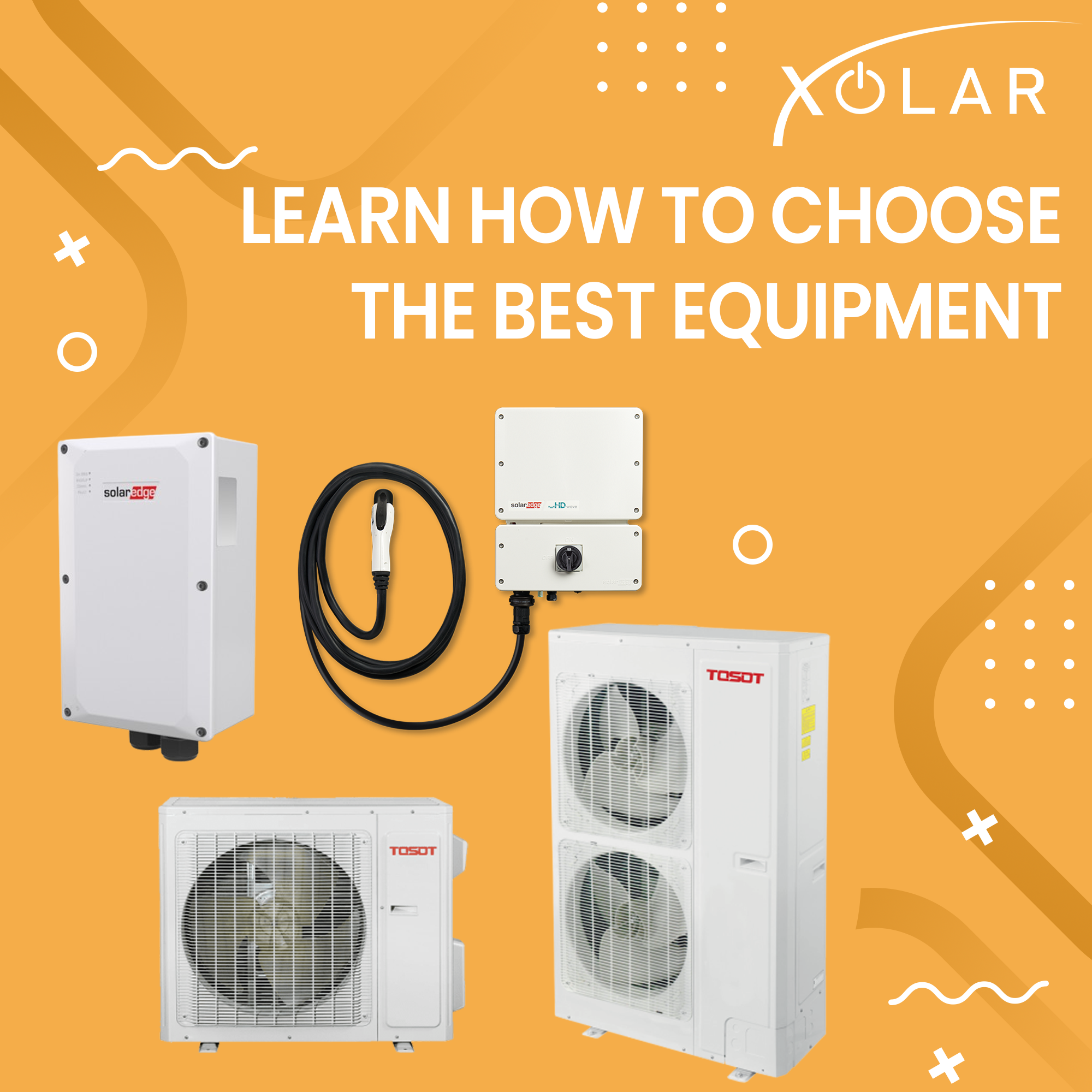
String inverters with DC optimizers are the best option for a home solar setup. Adding DC optimizers to each panel achieves efficiency levels similar to microinverters. This setup allows you to over-size your system, meaning you can generate more energy per dollar spent. Plus, because string inverters are located near your electric panel instead of on the roof, maintenance is easier and troubleshooting is more straightforward.
Energy Storage: Battery or Net Metering?
Energy storage choices depend on your main goal for going solar:
Grid-Tied System with Net Metering: If saving money is your top priority, a grid-tied system with Net Metering might be your best option. Net Metering allows you to sell excess electricity back to the grid in exchange for credits, which you can use to offset your energy costs when your panels aren’t producing, like at night. This is how one way you can cover 100% of your power bills with solar.
Battery Backup: If energy security is your priority and you want to have electricity during outages, consider adding battery storage to your system. A battery allows you to store solar energy and use it during a power outage, providing peace of mind if reliability is a concern.
Durability and Warranties
Choosing top-quality equipment with solid warranties brings peace of mind and keeps your investment secure for the long haul.
Solar panels often come with 25-year warranties, meaning they’re built to keep producing reliably for decades. This long-term coverage means you’ll have a dependable source of power without constantly worrying about panel performance.
Inverters and batteries, generally have warranties lasting 10-15 years. Having a good warranty helps you manage future maintenance and budget for any potential replacements.
Strong warranties aren’t just a nice perk—they protect you from unexpected repair costs and show that the manufacturer stands behind their product. It’s a sign that they’re confident in their equipment’s ability to last and perform.
Compatibility of Components
Solar equipment isn’t always plug-and-play, so picking compatible components is a must. For example, some inverters are built to perform best with specific solar panels or battery setups. And don’t forget about your electric panel—it may need an upgrade to handle the extra power from a solar system. A top-notch installer will make sure everything works together smoothly, giving you the best performance and reliability possible.
Local Climate Considerations
Your local climate plays a big role in selecting the right solar equipment. Choose components that will perform well under your specific environmental conditions:
Cold or Snowy Areas: For regions prone to heavy snowfall, consider adding snow guards to prevent large snow slides from your solar panels, which can protect both your system and your roof.
Hot Climates: High temperatures can impact efficiency, so select panels and inverters that have a good track record for heat tolerance.
A knowledgeable installer will be able to guide you toward equipment that matches your local climate’s demands, ensuring your system operates effectively year-round.
Cost vs. Value
Budget matters, but think about the long-term value and savings your solar equipment can bring. Investing a bit more upfront in high-quality, efficient components can pay off big over time—these parts tend to perform better and last longer. With a well-chosen solar system that could last up to 40 years, starting with quality means you’ll enjoy reliable performance and savings for decades.
Final Thoughts
Choosing the right equipment for your solar system is a big deal, but with a little research and the right guidance, you can build a setup that matches your energy goals, fits your budget, and delivers for decades. A home solar system can last 30 to 40 years, so make sure you’re getting gear that’s built to go the distance. Work with a trusted installer who’ll help you pick components suited to your home, lifestyle, and local climate.
Interested in going solar?
The first step is to acquire a solar proposal. By understanding your energy consumption, sunlight exposure, and roof orientation and space, we can design a solar solution that meets your needs both now and in the future. A well-sized solar system can help you achieve your energy goals and reduce your carbon footprint.
Our Solar Specialists and Project Managers can cleanly walk you through the steps of what is required and make sure you maximize the value of any provincial or federal programs in your area. We’ll also get you started on the vital first step of acquiring a tailor-made solar proposal for your residential project’s energy needs.
What is Energy Arbitrage? Optimizing Your Solar Energy Usage
What is Energy Arbitrage?
If you’re looking into solar energy or strategies to lower your electricity bill, you may have come across something referred to as “energy arbitrage.” Energy arbitrage allows you to take advantage of fluctuating electricity prices, especially in areas with time-of-use (TOU) rates.
If you are on a time-of-use (TOU) billing system with your electricity provider, it means that you are getting charged different rates for your electricity usage at different times of day. TOU rates vary throughout the day based on demand—electricity costs are lower during off-peak hours (often late at night) and higher during peak hours (typically late afternoon and early evening).
In the simplest terms, energy arbitrage means buying electricity when it’s cheapest and using or storing it for times when rates are higher. Your Net Metering program, which sells your excess energy generated from solar back to the grid, make solar the most potent way save money through energy arbitrage and gives you the potential to cover 100% of your power bill.
How Does Energy Arbitrage Work with Solar?
Solar energy pairs perfectly with energy arbitrage, especially if you’re in a TOU billing area. With solar panels, you’re generating electricity during the day—when TOU rates are generally at their highest.
Daytime Solar Production at Peak Rates
During daylight hours, your solar panels are generating power for your home, which happens to coincide with the highest energy rates in a TOU plan. This means you’re using the solar power you produce without paying the high daytime rates from the grid. Any excess solar energy you don’t use is sold back to the grid at those high daytime rates through the Net Metering program, where you will earn energy credits for the power you generate.
This is how you build up excess energy credits that can be used any time throughout the year to cover your energy spent at nighttime or during the winter, allowing you to effectively cover 100% of your power bills with solar.
Nighttime Energy Use at Off-Peak Rates
In the evening and nighttime, when your solar panels aren’t generating power, you might need to draw from the grid. This is where energy arbitrage comes in: you’re now buying electricity at the cheaper, off-peak rates. With the credits earned from selling your excess daytime power at higher rates, you can easily cover these off-peak energy costs, reducing your overall bill.
The Financial Benefits of Solar-Powered Energy Arbitrage
The strategy of energy arbitrage with solar has financial perks that go beyond just producing your own electricity. Here’s how it benefits your budget:
Lower Overall Costs: By using electricity generated by your solar system during peak rate times and buying from the grid only when rates are low, you reduce how much you spend on electricity overall.
Maximizing Solar Efficiency: Solar energy is most effective when you can leverage TOU rates. Instead of just generating power, you’re optimizing its value by selling it back at peak prices and “repurchasing” at lower costs, maximizing every kilowatt produced.
Energy Independence: Although you’re still connected to the grid, energy arbitrage increases your control over energy costs, making your home less reliant on grid price fluctuations.
Flat-Rate vs. Time-of-Use (TOU) Rates
In areas with flat-rate billing, the cost of electricity remains constant throughout the day. Energy arbitrage is still possible with solar and Net Metering because you earn credits for the energy you send back to the grid, even if there’s no price difference between day and night. However, the financial benefits of energy arbitrage are most pronounced in areas with TOU billing, where rate fluctuations create clear opportunities for savings.
Get a State-of-the-Art Solar Setup with XOLAR
Energy arbitrage, especially when paired with solar, is a powerful way to slash your energy costs and ease off the grid. By storing or using your solar energy during peak hours and pulling from the grid only during off-peak times, you make the most of TOU rates and Net Metering credits. This strategy lets you maximize your renewable energy, making solar even more cost-effective. For homes with TOU billing, Net Metering, or battery storage, energy arbitrage is a game-changer, storing cheaper electricity to use when rates are highest.
Interested in going solar?
The first step is to acquire a solar proposal. By understanding your energy consumption, sunlight exposure, and roof orientation and space, we can design a solar solution that meets your needs both now and in the future. A well-sized solar system can help you achieve your energy goals and reduce your carbon footprint. Our Solar Specialists and Project Managers can cleanly walk you through the steps of what is required and make sure you maximize the value of the provincial or federal programs in your area. We’ll also get you started on the vital first step of acquiring a tailor-made solar proposal for your residential project’s energy needs.
What is an Electric Panel? Your Home’s Electrical System
What is an Electric Panel?
The electric panel—also known as the breaker box or distribution board—is the backbone of your home’s electrical system. It’s what manages all the electricity coming in from the grid or solar panels, making sure each circuit gets the power it needs and keeping everything safe from overloads.
The electrical panel, often tucked away in a garage, basement, utility room, or even outside, draws in electricity from your utility company or solar setup. From there, it channels power to circuits that keep your home running—whether it’s the lights, kitchen appliances, or your heating and cooling system.
Key Components of an Electric Panel:
Main Breaker: The master switch of your home’s electricity, controlling the entire power flow. It can shut everything down during maintenance or an emergency.
Circuit Breakers: These safety switches cut power to a circuit if it’s drawing too much. They prevent overheating, reduce fire risks, and keep your appliances safe.
Bus Bars: Metal strips that connect the main breaker to each circuit, creating the pathway for electricity to flow from the grid to every room.
Grounding: The safety net of your system, providing a safe path for excess electricity—like from lightning or surges—to discharge harmlessly into the ground.
How Does an Electric Panel Work?
Electricity enters your home through the electric panel, which then distributes it through individual circuits. Each circuit powers a specific area of your home or certain appliances. If the current flowing through a circuit exceeds its capacity, the circuit breaker trips, cutting off power to that circuit to prevent overheating or damage. In this way, the electric panel not only distributes power but also provides a layer of protection by regulating and controlling the electricity flowing through your home.
How does the Electrical Panel work with your Solar Setup?
In a solar energy system, your electric panel is key to integrating solar power into your home’s setup. Your solar inverter will be installed right beside the electrical panel and the home solar system is routed to the panel through the inverter. The electrical panel directs solar energy from the inverter to balance energy from both your panels and the grid.
When your solar panels produce power, it starts as direct current (DC) electricity. The solar inverter then converts it to alternating current (AC)—the form your home and grid use. From there, your electric panel takes over, distributing this AC power to your devices and appliances. If there’s extra, it’s sent back to the grid, earning you credits through net metering.
The electric panel manages this flow of electricity between solar and grid power. During peak sunlight, your panels might produce more than you need. With a grid-tied system, that surplus flows back to the grid for potential credits. If you have a battery backup, that excess is stored for later, like at night or on cloudy days.
Not every electric panel can handle the extra load from solar, especially older ones. For some homes, a panel upgrade might be needed to safely handle the boost in power and meet today’s safety standards. Upgrading ensures your system runs smoothly, making the most of your solar setup.
How Do You Know if You Need an Electric Panel Upgrade?
If your electric panel is older or low on capacity, it might need an upgrade before you add solar panels. Here’s what to look out for. If circuit breakers keep tripping, your panel could be overloaded. Constant trips are a clear sign it’s struggling to handle the power demand. Old panels—those over 25-30 years—weren’t built for today’s energy needs, let alone the extra load from solar. Swapping out an outdated panel can make a big difference. Most homes today need a 200-amp panel to manage both solar and modern appliances. If yours is rated below that, an upgrade might be the best move. Upgrading ensures your solar system works seamlessly, keeping your home safe and up to code.
Get a State-of-the-Art Setup with XOLAR
Your electric panel is the heart of your home’s electrical system, safely distributing power to every circuit. In a solar setup, it’s even more essential, managing and channeling the electricity your solar panels produce. If you’re considering going solar, make sure your panel is up-to-date and ready to handle the extra power to keep everything running smoothly.
Interested in going solar?
The first step is to acquire a solar proposal. By understanding your energy consumption, sunlight exposure, and roof orientation and space, we can design a solar solution that meets your needs both now and in the future. A well-sized solar system can help you achieve your energy goals and reduce your carbon footprint.
Our Solar Specialists and Project Managers can cleanly walk you through the steps of what is required and make sure you maximize the value of any provincial or federal programs in your area. We’ll also get you started on the vital first step of acquiring a tailor-made solar proposal for your residential project’s energy needs.
What is a Battery Backup? Energy Security with Solar Power
What is a Solar Battery Backup?
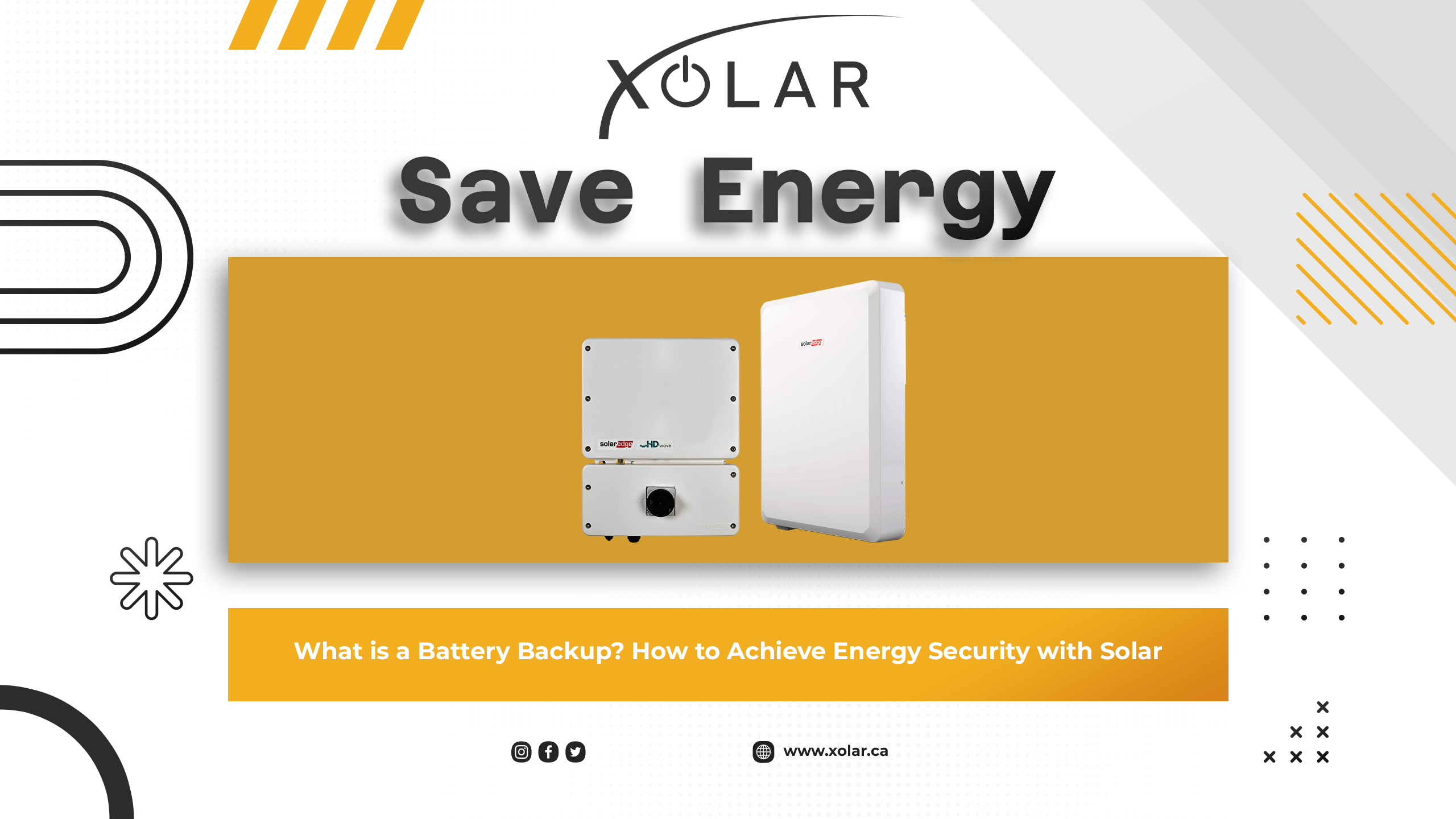
A battery backup is a system that stores excess electricity produced by your solar panels, allowing you to use that stored energy during times when solar production is low or the grid is down. Battery backups are rechargeable, and they ensure that you have power available when you need it most, especially during outages or peak demand times.
Key Functions of a Battery Backup:
Energy Storage: Battery backups capture excess energy from your solar panels during the day, storing it for whenever you need it.
Reliable Power Supply: When your panels aren’t producing—whether it’s night, a cloudy day, or during a grid outage—your battery backup steps in, keeping the power on.
Energy Independence: With a battery backup, you’re less dependent on the grid, giving you control over your energy and boosting your home’s resilience. Unlike regular grid-tied systems, solar batteries keep your lights on even during blackouts.
Grid-Tied Solar System vs. Battery Backup Solar System
There are two main directions you go when setting up your home solar installation. You may choose to have your system connected to the grid via your Net Metering program, or you may choose to stay off the grid with solar batteries and be completely energy independent.
A grid-tied solar system connects directly to your local utility grid, stepping in when your panels aren’t producing power, like at night or on cloudy days. When your panels generate extra energy during peak sunlight hours, that surplus flows back to the grid, earning you energy credits through Net Metering. Most people produce enough electricity with solar to cover their entire power bill over the year. Those sunny summer days generate more than enough to offset energy use at night and during winter, balancing everything out beautifully.
Benefits of a Grid-Tied System:
Lower Initial Cost: Grid-tied systems are generally less expensive to install because they don’t require batteries, which are a significant added cost.
Net Metering Savings: Homeowners can earn credits for excess energy produced, offsetting electricity costs when they pull power from the grid.
No Need for Large Storage: With grid access, there’s no need to store large amounts of energy for nighttime use, making this system ideal for those looking for an affordable way to go solar.
Limitations of a Grid-Tied System:
No Backup During Outages: If the grid goes down, a grid-tied solar system also shuts off for safety reasons, leaving the home without power.
Dependence on the Grid: With a grid-tied system, you remain dependent on the utility grid for power during low solar production times.
A battery backup solar system, or hybrid system, adds energy storage to the mix. With this setup, you can store the extra solar power generated during the day and tap into it whenever you need—like at night or during a power outage. Battery backups give you more control over your energy, letting you rely less on the grid and more on the power you produce.
Benefits of a Battery Backup System:
Power During Outages: In the event of a power outage, a battery backup system can continue to provide electricity, keeping essential appliances and devices running.
Maximized Solar Use: By storing excess energy for later use, you can use more of the electricity generated by your solar panels, reducing reliance on the grid.
Increased Energy Independence: A battery backup reduces your dependence on the grid, giving you greater autonomy over your home’s energy supply. Limitations of a Battery Backup System: • Higher Initial Cost: Adding a battery backup to your solar system increases installation costs due to the price of the batteries and additional equipment. • Battery Lifespan: Batteries have a finite lifespan and may need to be replaced after 10-15 years, adding a future maintenance cost to the system.
Limitations of a Battery Backup System:
Higher Initial Cost: Adding a battery backup to your solar system increases installation costs due to the price of the batteries and additional equipment.
Battery Lifespan: Batteries have a finite lifespan and may need to be replaced after 10-15 years, adding a future maintenance cost to the system.
How Does a Battery Backup Work with Solar Panels?
In a solar system with battery backup, the electricity your panels generate first flows to power your home’s immediate needs. Any leftover energy is sent straight to the battery, where it’s stored for later.
When your panels aren’t producing—like at night or during a grid outage—your home taps into that stored energy in the battery instead of relying on the grid. Here’s how it all works, step by step:
During the day, your solar panels work to generate electricity, sending power directly to your home. Any extra energy that isn’t immediately used flows to the battery, building up a reserve to tap into later.
Once in the battery, this surplus energy is stored safely, ready for those moments when solar production slows or demand rises. Think of it as a savings account for your energy needs.
At night or on cloudy days, when solar production is lower, your home draws from the battery first, reducing your reliance on outside power sources.
In the event of a blackout, your battery backup becomes your home’s power source, keeping essential devices and appliances running smoothly and ensuring you stay connected.
Is a Battery Backup Right for You?
A battery backup is an excellent option for many homeowners who want energy independence and reliability, but it may not be necessary for everyone.
If you’re in an area with frequent power outages, a battery backup can be a game-changer. It keeps your home powered when the grid goes down, giving you peace of mind and a reliable source of electricity no matter what.
In regions with high electricity costs, storing and using your own solar energy can bring major savings. With a battery backup, you don’t have to rely as heavily on pricey grid electricity, making it easier to control your power bills.
For those wanting to break free from grid dependency, a battery backup offers a path to true energy independence. By storing your own solar power, you have greater control over your energy use, making it possible to rely more on your own setup and less on the utility grid.
If environmental goals are part of your plan, using stored solar energy helps you cut down on fossil fuel use. With a battery backup, you’re able to reduce your home’s carbon footprint by relying on clean, stored solar power to meet your energy needs.
Get a State-of-the-Art Setup with XOLAR
A battery backup is a valuable addition to a solar energy system if you your primary goal is 100% reliability and energy independence. It provides reliable energy storage, protection during outages, and greater control over your energy use.
Interested in learning more about going solar?
The first step is to acquire a solar proposal. By understanding your energy consumption, sunlight exposure, and roof orientation and space, we can design a solar solution that meets your needs both now and in the future. A well-sized solar system can help you achieve your energy goals and reduce your carbon footprint.
Our Solar Specialists and Project Managers can cleanly walk you through the steps of what is required and make sure you maximize the value of any provincial or federal programs in your area. We’ll also get you started on the vital first step of acquiring a tailor-made solar proposal for your residential project’s energy needs.
Electricity Demand in Ontario Set to Grow by 75% by 2050
Electricity Demand in Ontario Set to Grow by 75% by 2050: What It Means
for Solar Energy
What’s Driving the Surge in Demand?
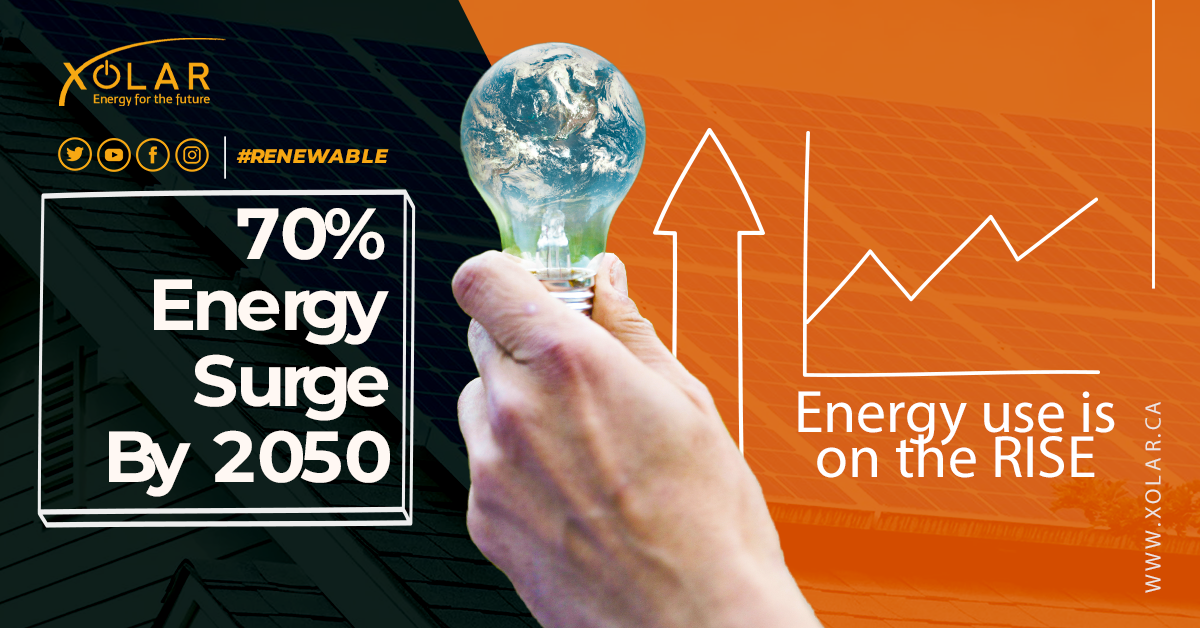
Rapid and transformative innovations in new technology, and the demand for such technology, will cause a sharp rise in demand for electricity within Ontario in the next 25 years. According to the Independent Electricity System Operator (IESO), the province’s electricity demand is expected to rise by 75% by the year 2050. This equates to the annual consumption of electricity increasing from 151 terawatt-hours (TWh) in 2025 to 263 TWh in 2050. This biggest surges in electricity demand are right around the corner, and are expected to happen by 2035.
The accelerated increase in demand growth in this year’s forecast is mostly attributed to industrial sector growth. This is attributed to the growth of electric vehicle production and the supply chain for manufacturing electric vehicles. By 2035 it is projected that industrial sector growth will increase by 58% which accounts for 23 terawatt-hours (TWh) of electricity demand in that short time.
Since the industrial sector’s growth is primarily based on electric vehicle production, electric vehicles themselves are also going to garner a large chunk of electricity demand. electric vehicles are predicted to account for 31% of the new electricity demand by the same year, accounting for 20 TWh of increased electricity demand.
A compounding factor of energy demand in Ontario is our rising population. Ontario households are expected to grow 15% by 2035, which will project one million more homes. This population growth will account for 6 TWh or 9% of new electricity demand in the province.
The advancement and proliferation of Artificial Intelligence (AI) is also pushing up the demand for electricity as more energy intensive data centers are being built to support AI. Data centers account for 13% of new electricity demand by the year 2035, or 15 TWh.
How Solar Energy Fits Into the Picture
As electricity demand keeps climbing in Ontario, renewable energy is more important than ever. That’s where solar steps in—offering a clean, sustainable way to balance the scales and keep things running.
Here’s why solar is the perfect fit as Ontario’s electricity demand keeps climbing:
Solar Grows with Demand: As Ontario’s energy needs go up, solar can scale right along with it. Both homeowners and businesses can install panels to save money on energy while also easing the load on the grid and boosting the overall electricity supply.
Solar Saves You Money: With electricity costs soaring, solar gives you a long-term way to cut those bills. With electricity demand now expected to increase by 75%, prices on energy will increase even more. Once your system’s up and running, you generate your own power—and can even sell extra energy back to the grid with net metering.
Solar Powers Peak Demand: As the IESO works to bring in new power sources, solar steps up by producing energy during peak daylight hours when demand is highest.
Energy Independence: Installing solar panels means less reliance on an already strained grid. With demand set to spike by 75%, that energy independence will be more valuable than ever.
Why Now Is the Time to Go Solar
The IESO’s forecast is a wake-up call for anyone thinking about solar. With electricity demand set to soar and governments pushing for sustainability, there’s no better time to go solar than now. Energy prices in Ontario have already increased by 20% in October of 2023, and these increases are only slated to rise with the demand for electricity.
You’re not just investing in cleaner energy—you’re shielding yourself from the unpredictability of rising electricity costs. Plus, with government programs like the Canada Greener Homes Loan, going solar is more affordable than ever, offering zero-down financing and 0% interest loans to make the switch easy.
Solar can last you as long as 30 to 40 years. If you choose to go solar now, you are effectively locking in your energy costs for the lifetime of the system. No matter how many times electricity rates go up, you won’t feel the pinch—your solar system takes care of your power bill. If you want to see in more detail how solar saves you money, check out our blog post on the topic.
The Future of Ontario’s Energy Landscape
The government is already taking steps to tackle the rising electricity demand, investing in nuclear power and other large-scale energy projects to secure supply through the 2030s. But as demand keeps outpacing expectations, more needs to be done to keep energy both affordable and reliable.
Solar will be key in this future. Whether it’s powering homes, businesses, or electric vehicles, solar energy can help ease the load on the grid and contribute to a cleaner, more sustainable Ontario.
Prepare for the future with XOLAR
Any upcoming rate hikes will be far less noticeable to individuals who have invested in solar power. By paying a fixed cost to install solar, you are effectively freezing your cost of electricity for the next 30 or more years.
Being able to self-generate your energy will place you in a unique position to capitalize on rate increases by increasing the value of your investment as time goes by.
The good news is that government rebate programs remain available, rendering the initial costs of acquiring a solar installation well within financial reach. These incentives make transitioning to solar energy an economically viable choice for both environmentally conscious and budget-savvy consumers.
If you are thinking of going solar, our Solar Specialists and Project Managers can cleanly walk you through the steps of what is required in your province and make sure you maximize the value of any government programs in your area. We’ll also get you started on the vital first step of acquiring a tailor-made solar proposal for your personal energy needs at home.
Read more about the projected electricity demand increase at the IESO website.
What is a Bi-Directional Meter? How It Works with Home Solar Systems
What is a Bi-Directional Meter?
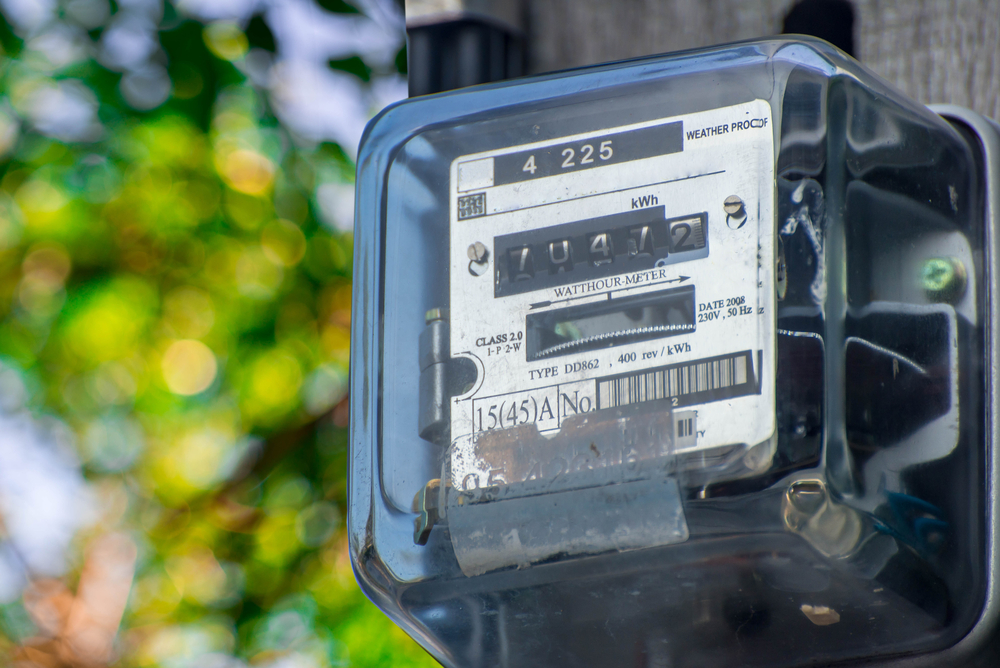
A bi-directional meter is a type of electricity meter that measures energy flowing in two directions. Unlike a standard meter that only tracks how much electricity your home consumes; a bi-directional meter also tracks the excess electricity your home sends back to the grid. This is particularly important for homes with solar panels, as it allows homeowners to measure both the energy they consume from the grid and the excess energy their solar panels produce.
How a Bi-Directional Meter Works:
Measuring Energy Consumption: Just like a traditional meter, a bi-directional meter records how much electricity your home uses from the grid. This includes any electricity consumed when your solar panels aren’t producing enough power, such as during the night or on cloudy days.
Measuring Energy Production: In addition to tracking energy consumption, the bi- directional meter measures the excess electricity generated by your solar panels that is sent back to the grid. This typically happens during the day when your solar panels produce more energy than your home is using.
Net Energy Flow: The meter keeps track of both the energy consumed and the energy sent back to the grid, allowing you and your utility company to calculate the net energy flow. If you send more electricity to the grid than you use, your utility may credit your account, a system commonly referred to as net metering.
The Role of a Bi-Directional Meter in Home Solar
For homeowners with solar energy systems, a bi-directional meter is an essential component of understanding and optimizing energy usage. Like an energy monitor, it helps you see exactly how much electricity your solar panels are generating and whether your home is energy self-sufficient or still reliant on the grid at certain times and usage levels.
It is also required as part of your Net Metering agreement with your power company. Net metering is a billing agreement with your power company that ultimately ensures you can power all of your energy needs with solar. Under Net Metering, you will receive credits from your power company for any excess electricity your solar panels generate. Your bi- directional meter tracks this flow and ensures you’re credited for the energy you’ve contributed.
With a bi-directional meter, you can better monitor your energy production and consumption. This helps you make informed decisions about your energy usage, such as when to run high-energy appliances during peak solar production hours. By aligning your energy usage with your solar output, you can maximize the savings from your solar investment.
But there is an even more effective way to use energy with solar if you are on a Time-of-Use billing plan.
If you are on a Time-of-Use billing plan, the excess energy that your solar panels produce will be sold back to the grid at the higher daytime rates. This means that instead of using more energy when your solar panels are producing at their maximum, you can shift some energy usage to a time when rates are lower and generate even more credits. Your solar panels will sell your excess energy back to the grid at higher Time-of-Use rates, and then you can “buy back” that energy later on when it’s at a lower rate.
Get a state-of-the-art Setup with XOLAR
A bi-directional meter is essential for homeowners with solar energy. It not only tracks the electricity your home uses but also measures the energy your solar panels produce and send back to the grid. The meter is required for Net Metering to ensure you get all the credits you deserve for your energy production and ultimately a big reason why most people can cover 90-100%+ of their power bill with solar.
Interested in learning more about going solar?
The first step is to acquire a solar proposal. By understanding your energy consumption, sunlight exposure, and roof orientation and space, we can design a solar solution that meets your needs both now and in the future. A well-sized solar system can help you achieve your energy goals and reduce your carbon footprint.
Our Solar Specialists and Project Managers can cleanly walk you through the steps of what is required and make sure you maximize the value of any provincial or federal programs in your area. We’ll also get you started on the vital first step of acquiring a tailor-made solar proposal for your residential project’s energy needs.